Ukraine Foundation
Inspiring Change, Driving Impact
Sofía Cánovas Pereda serves as Ukraine Foundation’s Senior Advisor for Multilateral Affairs and Public Diplomacy.
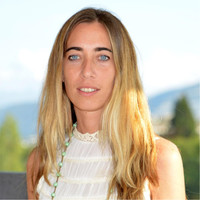
Sofía Cánovas Pereda is an international lawyer and senior humanitarian leader with more than fifteen years of experience across all continents, at the intersection of human rights, public health, and safeguarding.
Until recently she has served as Senior Advisor to the United Nations’ Assistant Secretary-General, Resident and Humanitarian Coordinator of the United Nations in Ukraine, where she has provided strategic counsel at the highest level of the U.N. system in one of the world’s most complex and high-stakes humanitarian and political environments.
In her Kyiv-based role, Ms. Cánovas Pereda also acted as Senior Inter-Agency Coordinator for the prevention of sexual exploitation and abuse (PSEA) and as the Country Victims’ Rights Focal Point under the Office of the Victims’ Rights Advocate at U.N. Headquarters. Appointed by the U.N. Country Team as the country’s lead advocate on victims’ rights, she coordinates more than 200 entities across the U.N. system, international and national NGOs, civil society organizations, and government counterparts. Her work focuses on strengthening accountability, embedding survivor-centered approaches, and ensuring system-wide compliance with victims’ rights standards across humanitarian, development, and recovery operations in Ukraine.
She was previously deployed as Inter-Agency PSEA Coordinator in Mali, where she supported the Resident Coordinator’s Office in negotiating, operationalizing, and managing inter-agency PSEA frameworks in a highly fragile context.
Prior to her current assignment, Ms. Cánovas Pereda held senior roles with UNFPA, UNICEF, WHO, OHCHR, UNDP, and UN peace operations across Africa, the Middle East, the Caribbean, Asia, and Europe. She served as Gender-Based Violence Area of Responsibility (GBV AoR) Inter-Agency Coordinator and UNFPA Sub-Office Team Lead in Cox’s Bazar, Bangladesh, overseeing GBV prevention and response in one of the world’s largest refugee operations. Earlier, she worked as Child Protection Specialist at UNICEF in New York, focusing on discriminatory social and gender norms, harmful practices, and policy development, including contributions to flagship UNFPA-UNICEF initiatives on female genital mutilation. In Geneva, she served as Legal and Governance Officer and Human Rights and Gender Advisor to the Executive Office of Unitaid, where she drafted Executive Board resolutions, negotiated grant agreements, and designed a gender-transformative institutional strategy that significantly improved Unitaid’s global gender ranking.
Her earlier career includes service as Human Rights Officer and Program Manager with the United Nations Mission for Justice Support in Haiti (MINUJUSTH), expert roles with the UN Human Rights Council on violence against women, child marriage, and the digital divide, and advisory work with the World Health Organization and the Global Fund to Fight AIDS, Tuberculosis and Malaria. She began her professional life as an intellectual property and ICT lawyer in private practice and multinational corporations, including Bacardi, DuPont, PwC, and leading international law firms, before transitioning fully into international public service.
Ms. Cánovas Pereda is also engaged in academia and capacity-building. She is a Guest Lecturer at Universidad Complutense de Madrid in the Master’s program on Gender, Migration, and Human Rights, contributing to the training of future practitioners and policymakers in international law and humanitarian ethics.
Her publications include policy briefs, technical notes, and legal analyses produced under U.N. auspices on gender equality, harmful practices, child protection, public health, and PSEA, including contributions to inter-agency guidance and Human Rights Council–mandated workstreams. Her professional recognition includes senior appointments as Inter-Agency PSEA Coordinator and Country Victims’ Rights Focal Point in multiple U.N. duty stations, reflecting sustained trust at the highest institutional levels.
Ms. Cánovas Pereda holds an Advanced Law Degree from the Universitat de Girona, with a focus on human rights, international organizations, and criminal law, and a Master’s degree in Intellectual Property and ICT Law from ESADE. She has completed advanced studies in Gender and Development at the Geneva Graduate Institute and specialized training in humanitarian crises, global health diplomacy, and adolescent health through the University of London, the University of Melbourne, and U.N.-affiliated institutions. She is admitted to the Barcelona Bar Association.
She is fluent in Spanish, French, English, and Catalan, with working knowledge of Italian.
Kyiv & Sofia: Alex Luna Taking Somnia Disaster -A Chernobyl-Fukushima Cultural Bridge- Across European Parliaments
Somnia Disaster Featured In ICTV News
Somnia Disaster Making the News in Korotko Pro
“Somnia Disaster”: Alex
Luna exhibition opened in the Verkhovna Rada
YEVHEN GORIN
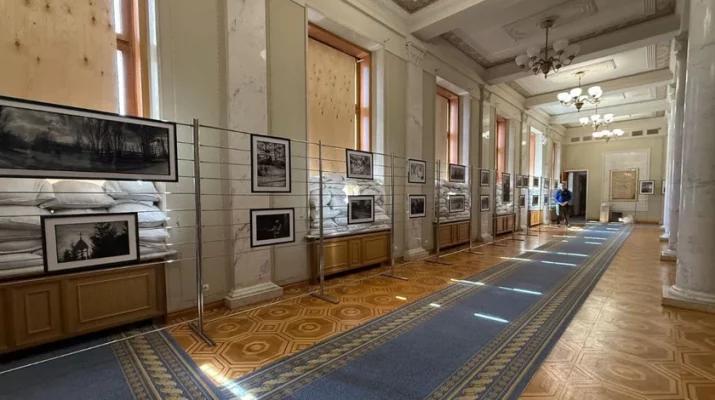
April 29, 2025, Kyiv – On the days of the next anniversary of the Chernobyl disaster, a unique art and documentary exhibition “Somnia Disaster” was solemnly opened in the building of the Verkhovna Rada of Ukraine, under a glass dome. It became one of the central events of this year’s commemorative events and a symbolic reminder of the value of human errors and the responsibility for the future.
The exhibition takes place during the regular session of the parliament.
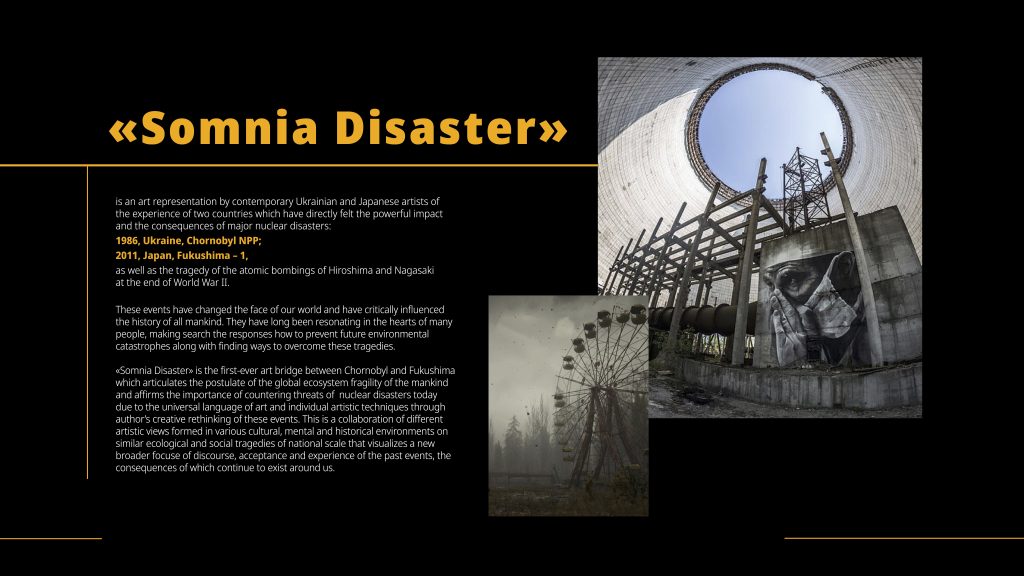
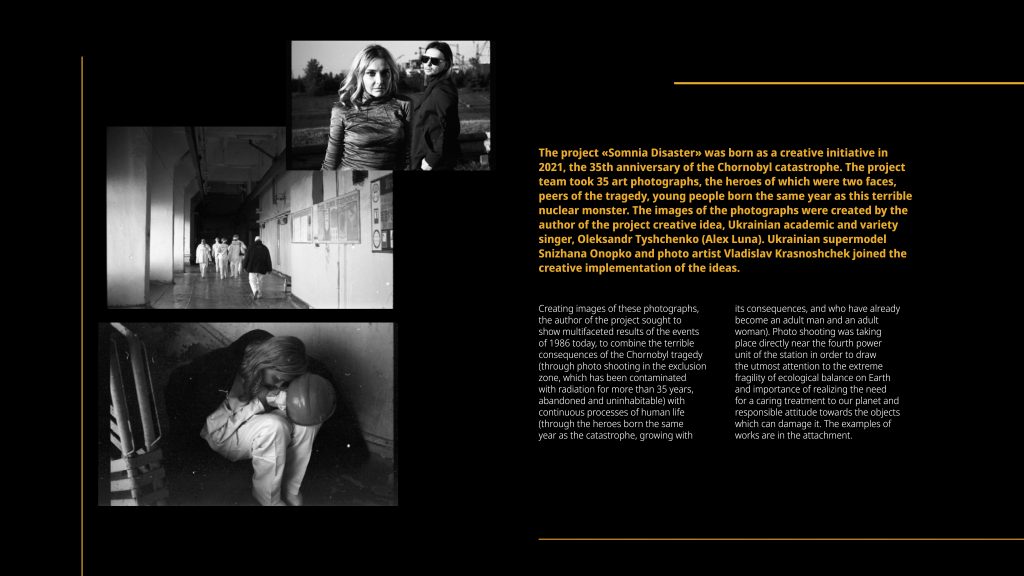
The Somnia Disaster project combines art, photography, film materials and modern audio installations in Ukrainian and German. Only the photographic part of the project, created by a prominent Ukrainian photo artist, a representative of the Kharkiv School of Photography, Vladyslav Krasnoshchek, is presented in the parliament building.
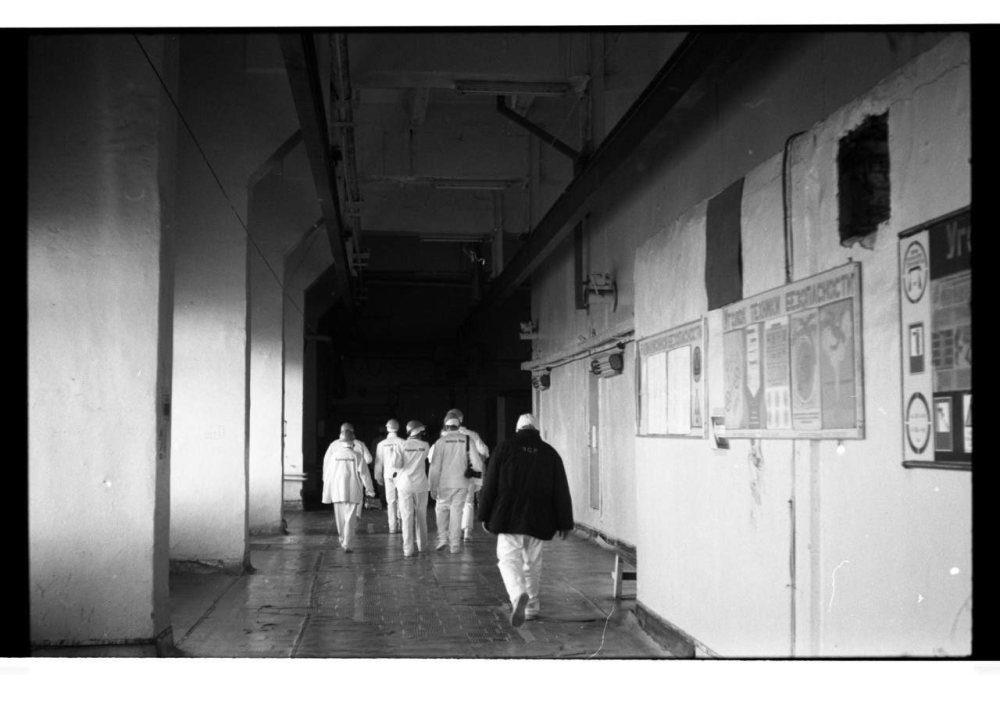
The photos are not only the iconic locations of the Exclusion Zone, but also the same age as the tragedy: the author of the project, opera singer Alex Luna, and Ukrainian supermodel Snizhana Onopko.
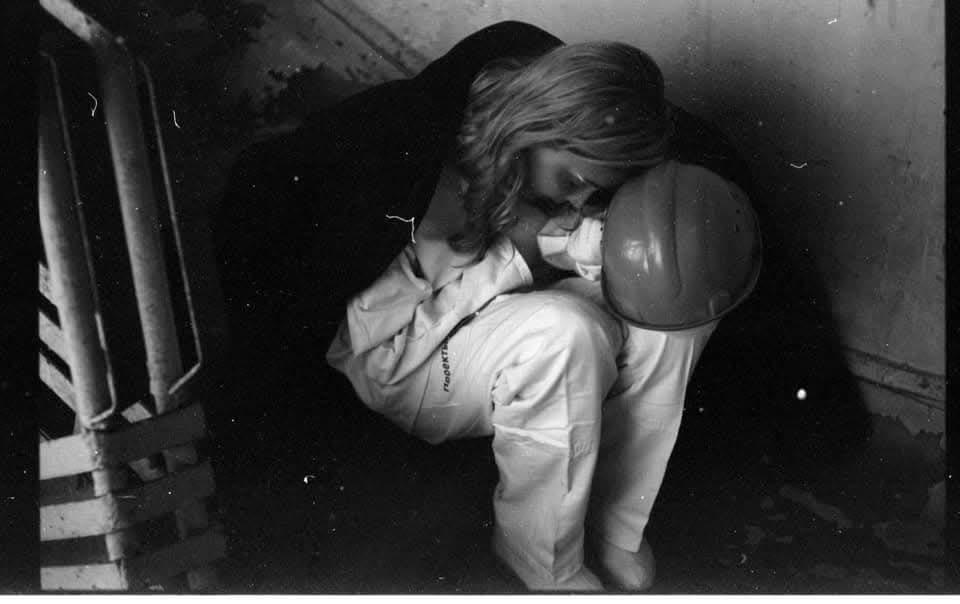
Today, the exhibition “Somnia Disaster” is shown in the Verkhovna Rada of Ukraine. Its ideologist Alex Luna, having implemented the project in 2021, sought to emphasize the fragility of life and the importance of remembering it. Probably, he had a “artist’s premonition,” says Tetiana Tsyba, MP and head of the subcommitteee on the protection of the rights of children who suffered as a result of military aggression. After all, today the relevance of this topic has not decreased, but on the contrary, it has acquired a new sound.

The exhibition “Somnia Disaster” will be available for viewing in the Verkhovna Rada during the week. From June 18, the exhibition will be hosted by the Parliament of the Republic of Bulgaria.
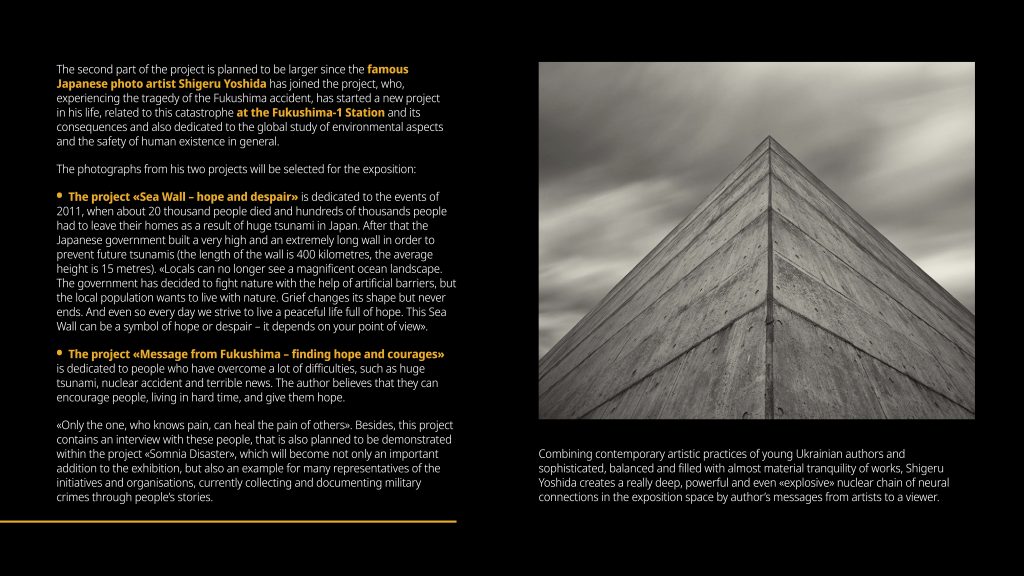
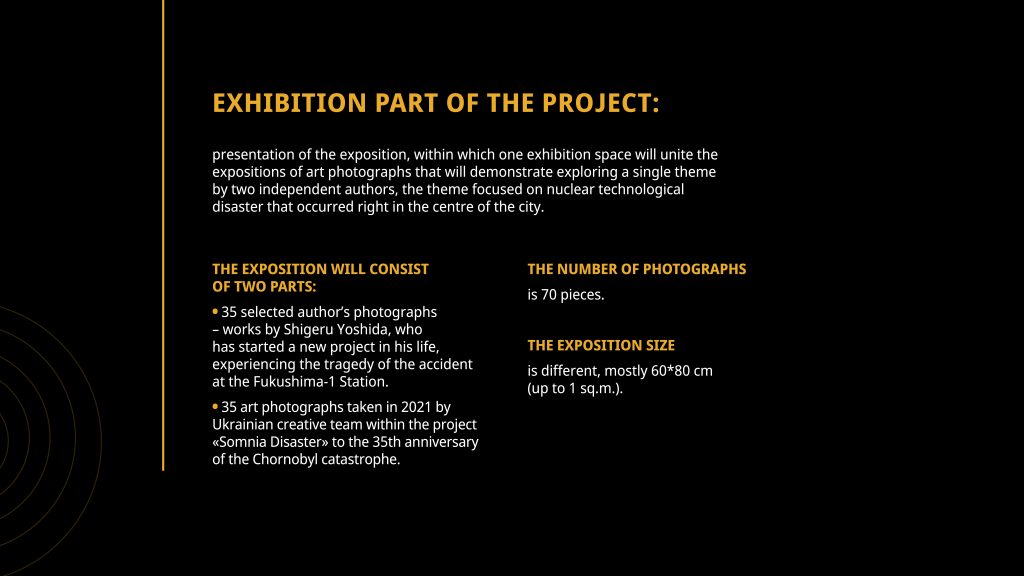
At a time when the world stands precariously close to the threat of nuclear catastrophe, Somnia Disaster emerges as a powerful cultural project that unites two of the most devastating nuclear tragedies in human history: Chernobyl and Fukushima. This exhibition serves not only as a bridge between cultures, but also as a stark reminder of our shared responsibility to prevent such disasters in the future.
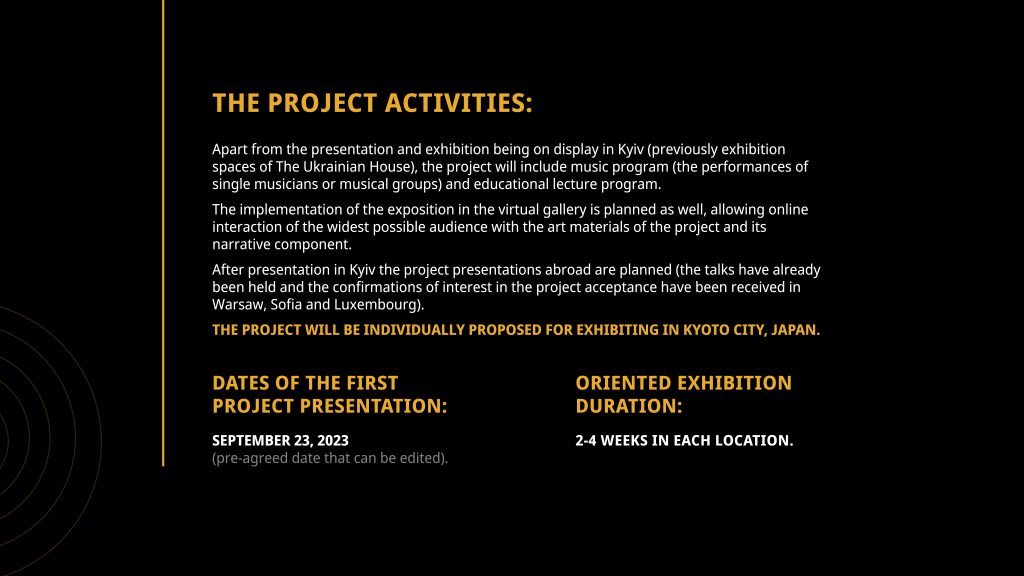
Somnia Disaster is being presented in a highly symbolic setting — the Verkhovna Rada of Ukraine (Ukrainian Parliament) — from April 28 to May 2, during an active parliamentary session. Following this, the exhibition will move to the Parliament of Bulgaria from May 14 to May 21, where a major opening ceremony will be held. The event will bring together the Bulgarian Minister of Energy, Minister of Foreign Affairs, members of parliament from Bulgaria and Ukraine, as well as the Ambassadors of Japan and Ukraine, underlining the urgent international relevance of the project.
In an era when nuclear threats loom larger than ever, Somnia Disaster reminds us that memory, dialogue, and cross-cultural cooperation are vital for a safer future.
Listen to the Somnia Disaster podcast on Spotify
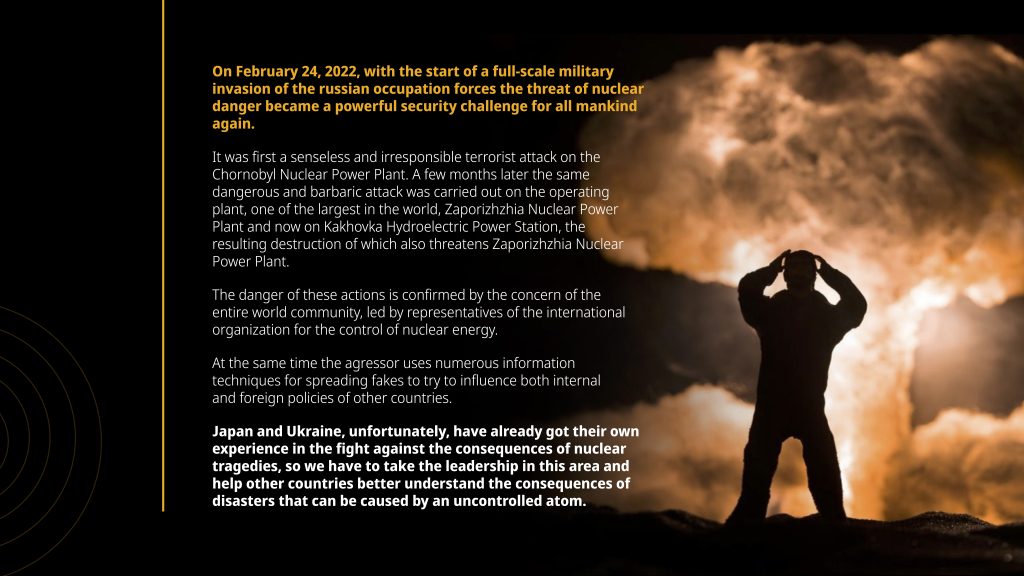
We are currently experiencing the greatest nuclear threat, which threatens not only Ukraine, but the entire world. What does it really look like in Ukraine’s largest nuclear power plant? What is the probability of a Chernobyl 2.0? This is what liquidators, military and scientists discuss in this podcast.
Watch Somnia Disaster’s making of featuring Snizhana Onopko and Alex Luna filmed on location
FAQs
What is the focus of Ukraine Foundation’s work?
Ukraine Foundation is an independent, mission-driven research and impact organization dedicated to advancing peace, resilience, and innovation in Ukraine. Our work combines rigorous policy research with practical initiatives that strengthen Ukraine’s international partnerships, support innovation and technology, and promote cultural resilience amid the ongoing war.
How does the Foundation turn research into impact?
We believe research should lead to real-world change. Our policy programs —Ukraine in Europe, China in Ukraine, and Ukraine in the Global South— produce insights that shape international dialogue and policy. At the same time, our impact initiatives foster cooperation between governments, businesses, academia, and civil society, ensuring that ideas translate into action for Ukraine’s security, prosperity, and influence.
How can individuals and organizations engage with the Foundation?
Engagement is central to our mission. Partners, experts, and supporters can collaborate through joint research projects, public events, and strategic initiatives in innovation and culture. We also welcome contributions to our programs that amplify Ukraine’s voice globally and strengthen its resilience at home.
How can I support Ukraine Foundation?
You can support our mission by contributing financially, partnering on research or impact projects, or amplifying our work through your professional networks. Every contribution -whether funding, expertise, or visibility- helps us strengthen Ukraine’s resilience and global partnerships.
Does Ukraine Foundation accept volunteers or research fellows?
Yes. We welcome dedicated professionals, researchers, and students who want to contribute to our policy and impact agenda. Opportunities range from short-term projects and fellowships to longer-term engagement with our programs and initiatives.
How can organizations collaborate with the Foundation?
We actively partner with think tanks, universities, governments, businesses, and NGOs to co-develop research, host events, and implement projects that drive meaningful change. Organizations interested in collaboration can reach out to us directly to explore tailored partnerships.