Ukraine Foundation
Inspiring Change, Driving Impact
Ambassador Pierre Andrieu on China, Russia, and the Future of Eurasian Power Politics
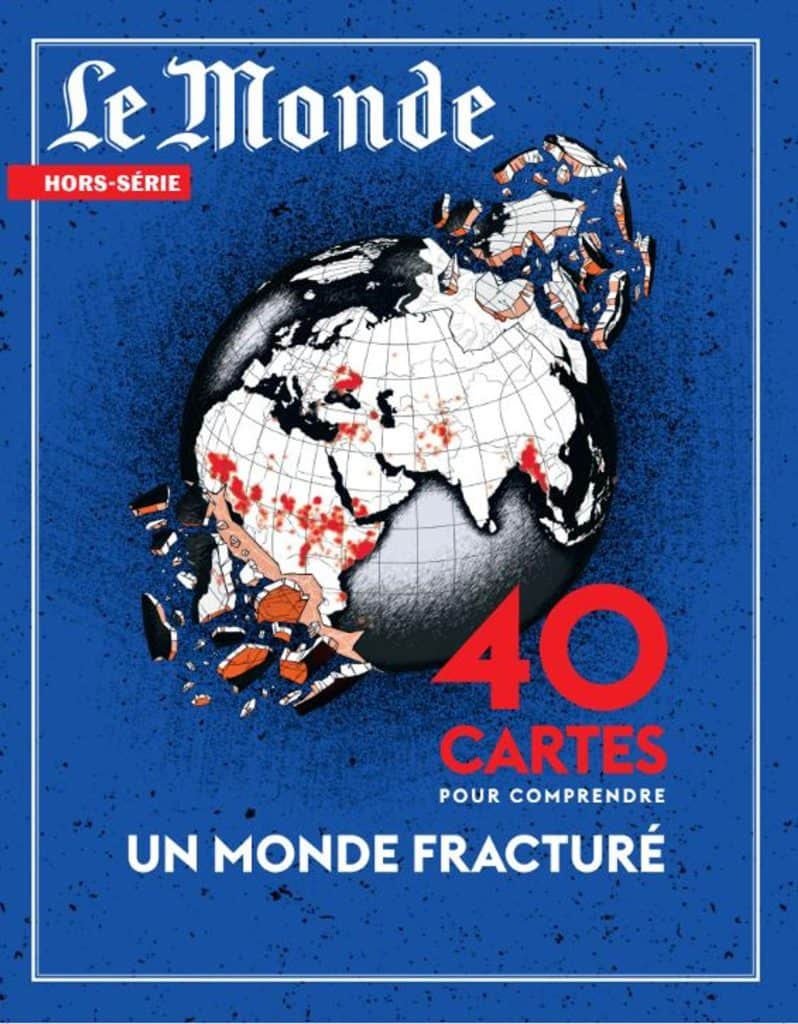
In a wide-ranging interview recently published in Le Monde des Cartes, Ambassador Pierre Andrieu — Senior Fellow on China-Russia Relations at the Asia Society, former French ambassador, and professor of international relations at Sciences Po, Inalco, ISIT, ESCP, and several foreign universities — offers a precise, historically informed, and sobering assessment of the evolving relationship between Moscow and Beijing. Drawing on decades of diplomatic and academic experience, and on research developed in his 2023 book Géopolitique des relations russo-chinoises, Andrieu outlines a partnership that is far from equal, shaped by deep strategic ambivalence, divergent imperial legacies, and the shockwaves of Russia’s war in Ukraine.
Ambassador Andrieu stresses that despite the rhetoric of a “limitless friendship,” Russia today has become China’s junior partner, if not its outright vassal. The dynamic has inverted dramatically since the 1950s, when Mao’s China was economically dependent on the Soviet Union and chafing under its authority. Today, China’s economic weight — with a GDP ten times larger than Russia’s — determines the parameters of the relationship. Beijing imports vast quantities of Russian energy and raw materials while exporting high-value industrial goods to a Russia isolated by Western sanctions. Trade between the two countries has surged to USD 245 billion, underscoring the Kremlin’s reliance on China to offset the economic consequences of its invasion of Ukraine.
Yet this partnership remains constrained by mistrust and historical memory. Beijing has not forgotten the immense territories seized by Tsarist Russia in the nineteenth century, nor does it fully align with Moscow’s revisionist aggression. Andrieu highlights that while both governments reject “Western hegemony,” their ambitions differ in nature and scale. China seeks to reshape multilateralism to secure its centrality; Russia seeks to overturn the table outright. Where Beijing pursues influence through economic power, global trade networks, and military modernization — notably to prepare for a future attempt to take Taiwan — Moscow is driven by a nostalgic and destabilizing imperial impulse. Andrieu reminds readers that for President Putin, the restoration of Russian greatness is inseparable from subjugating Ukraine: a conviction famously captured by Zbigniew Brzezinski’s dictum that “Russia without Ukraine is not an empire.”
Ambassador Andrieu underscores that China’s posture on the war remains one of “pro-Russian neutrality” — supporting Moscow sufficiently to prevent regime collapse, yet refusing to recognize the illegal annexations of Ukrainian territory. Beijing benefits strategically from the war: it absorbs Western focus in Europe, gains military and sanctions-evasion insights, and sees Russia grow more economically dependent. Meanwhile, U.S. policy oscillations — particularly under Donald Trump — have reinforced Beijing’s confidence and blurred Washington’s commitments both to Ukraine and Taiwan.
The interview also examines China’s rise as a technological and economic superpower, propelled not by ideology but by a sustained strategy of projecting economic influence abroad through the Belt and Road Initiative and its expanding digital presence. In contrast to Russia’s destabilizing adventurism, China seeks to “lock down” its environment: pushing expansive claims in the South China Sea, while maintaining stability in sensitive regions such as Central Asia, where it invests heavily in infrastructure and security cooperation.
Turning to Russia’s internal trajectory, Andrieu offers a stark assessment: the Kremlin remains trapped in an imperial mindset that stretches back to the Tsarist era and that continued, in different forms, under Soviet rule. Russia’s war against Ukraine — launched with the expectation of a swift victory — has instead revealed severe military limitations and an economy under growing strain. Its ambitions in the Black Sea, the Caucasus, and Central Asia are faltering even as it pursues hybrid provocations against NATO states. Ambassador Andrieu notes that drone incursions, territorial overflights, and other grey-zone activities remain below the threshold of open conflict but signal a deliberate campaign to test the cohesion and resolve of the Alliance at a moment of political divergence among its leaders.
Ultimately, Ambassador Andrieu concludes that Russia shows no genuine interest in negotiating a ceasefire. Its objectives remain unchanged: the capitulation of Ukraine and the erasure of its sovereignty. In this context, he warns, Europe and its partners must grasp the full implications of an emboldened China, a destabilizing Russia, and a Eurasian landscape increasingly shaped by asymmetric partnerships and imperial revisionism.
For Ukraine and for Europe, Andrieu’s analysis is a reminder that the future of Eurasian security will be determined not only on the battlefield, but also across the shifting tectonics of Sino-Russian relations, global economic influence, and the resilience of the international order itself.
Sofia: Somnia Disaster: Alex Luna’s Haunting Exhibition Arrives in Sofia
Renowned visual artist Alex Luna continues his powerful exploration of the Somnia Disaster with a European tour, shedding light on the haunting legacy of this enigmatic event. Following its impactful debut, the exhibition makes its second stop in Sofia, Bulgaria, where it has already garnered significant media attention. Through a compelling blend of visual storytelling and immersive installations, Luna invites viewers across Europe to confront the surreal and often unsettling dimensions of memory, loss, and collective trauma.
Somnia Disaster Featured in

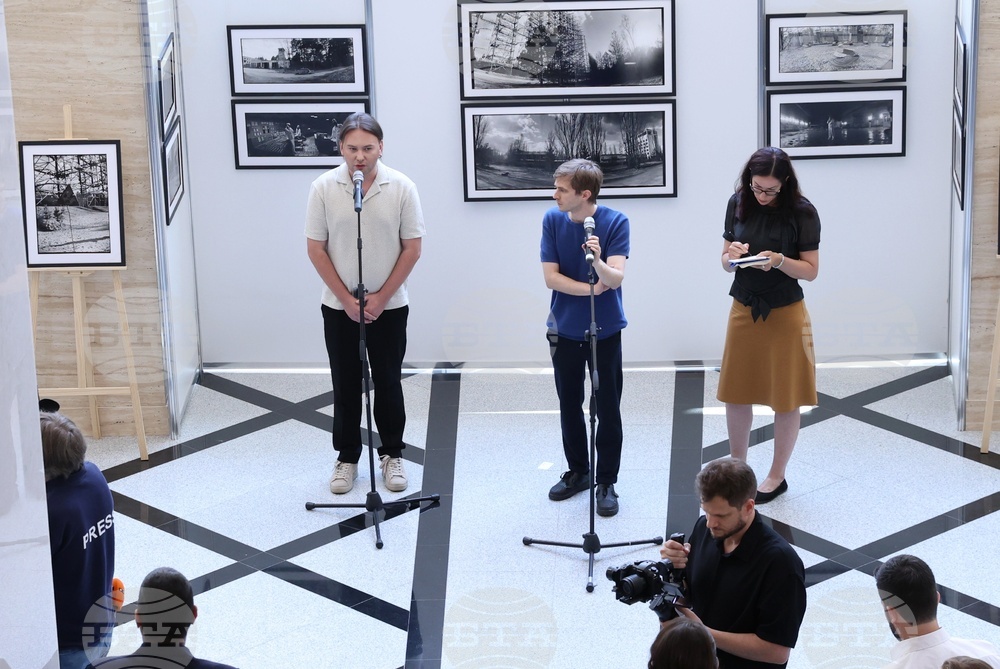

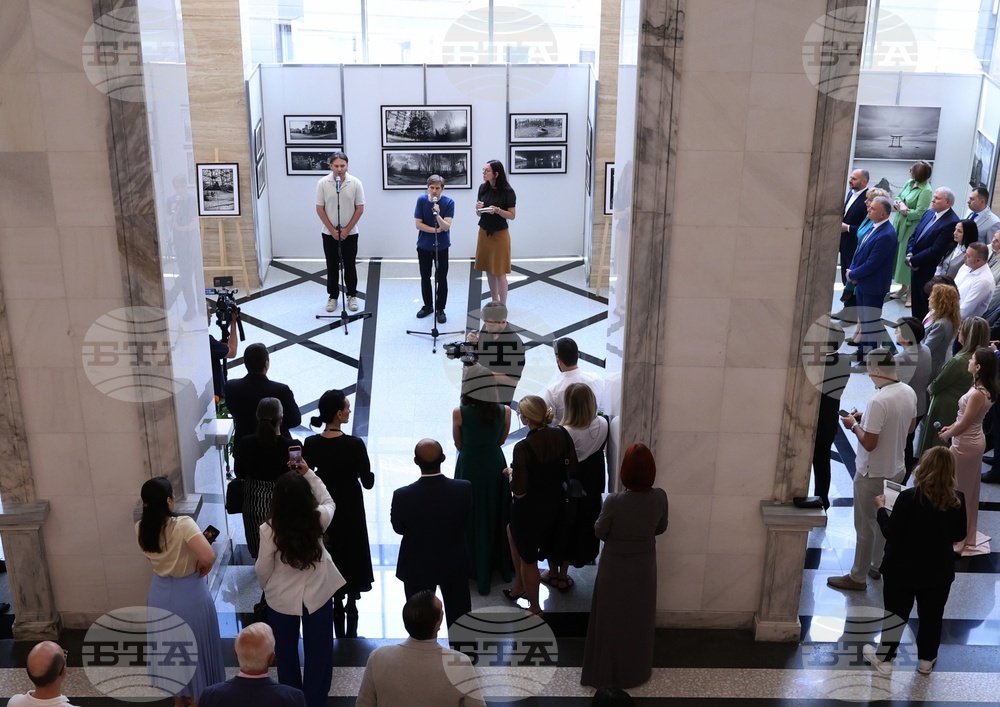
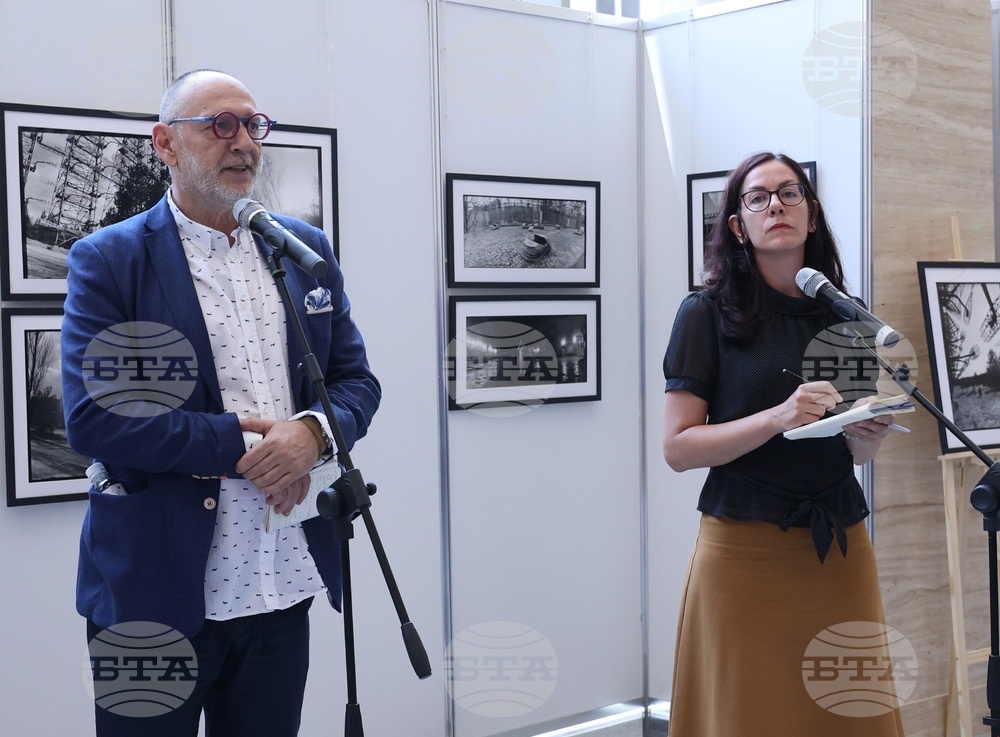
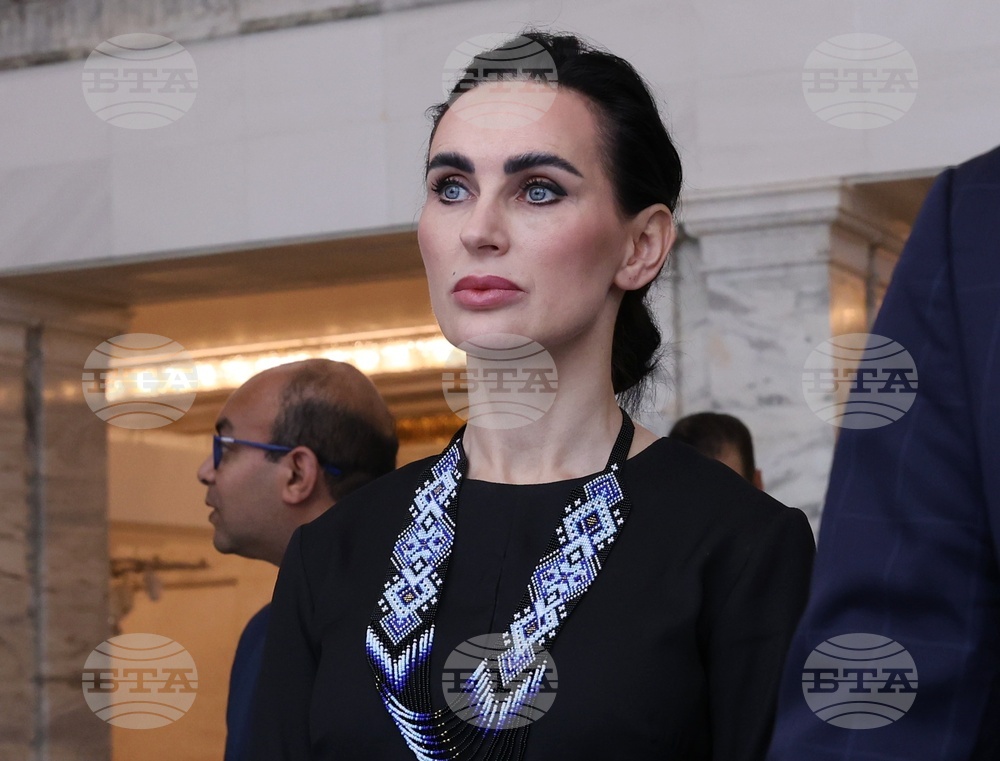
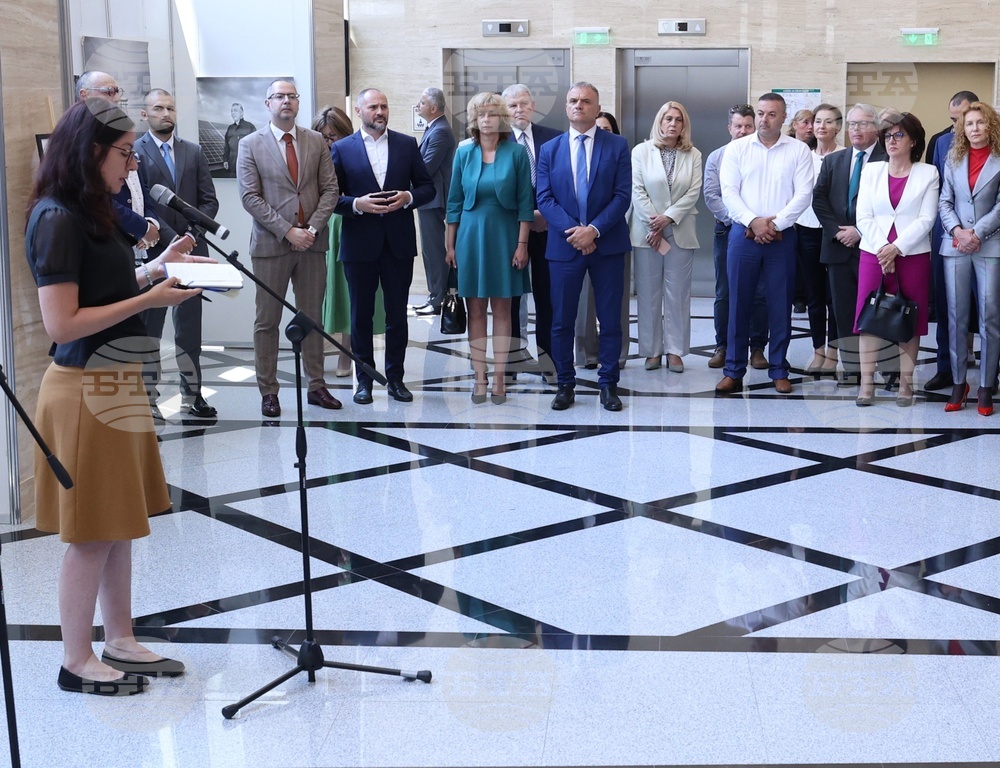
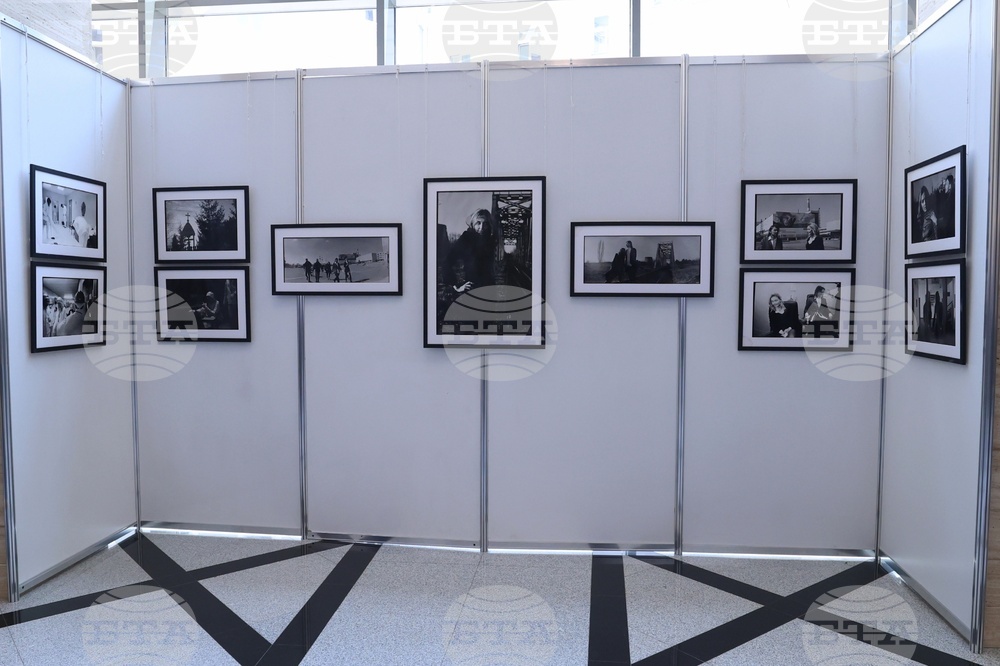
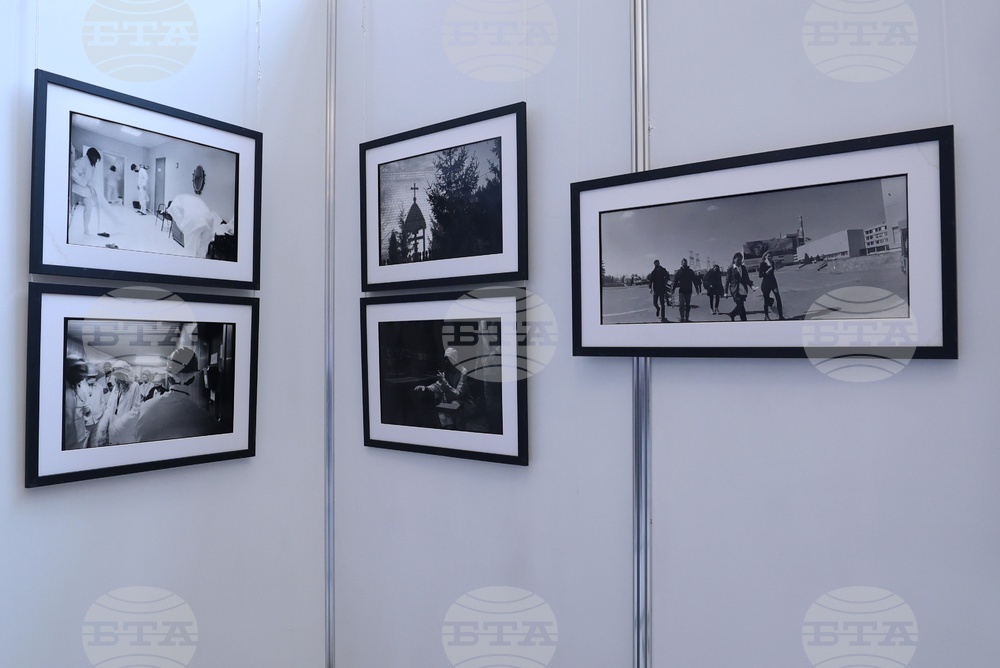
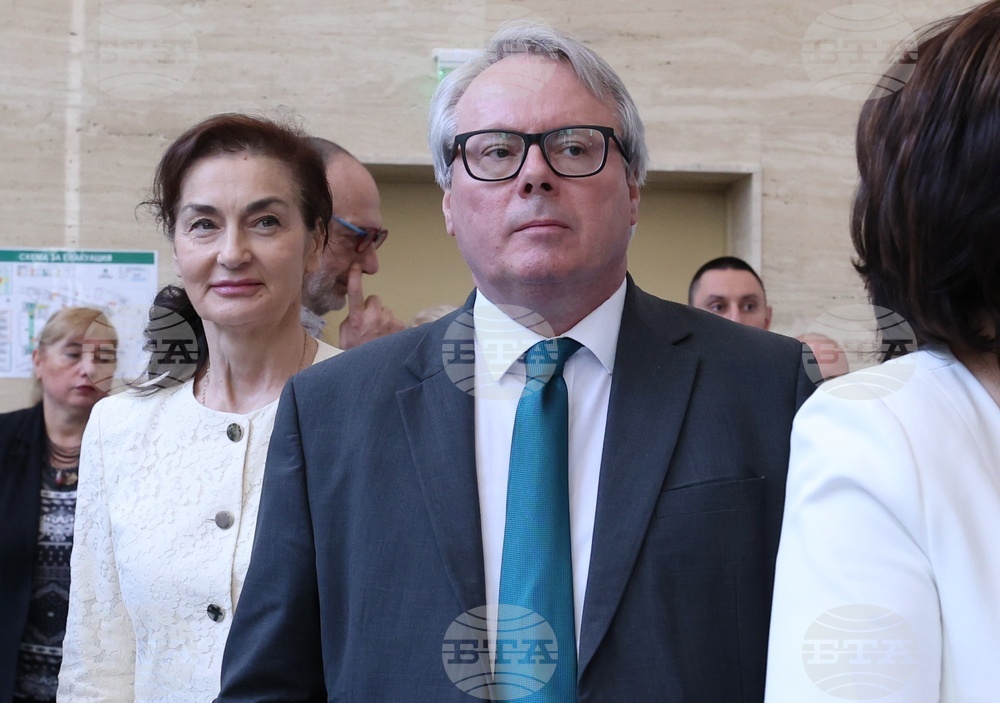
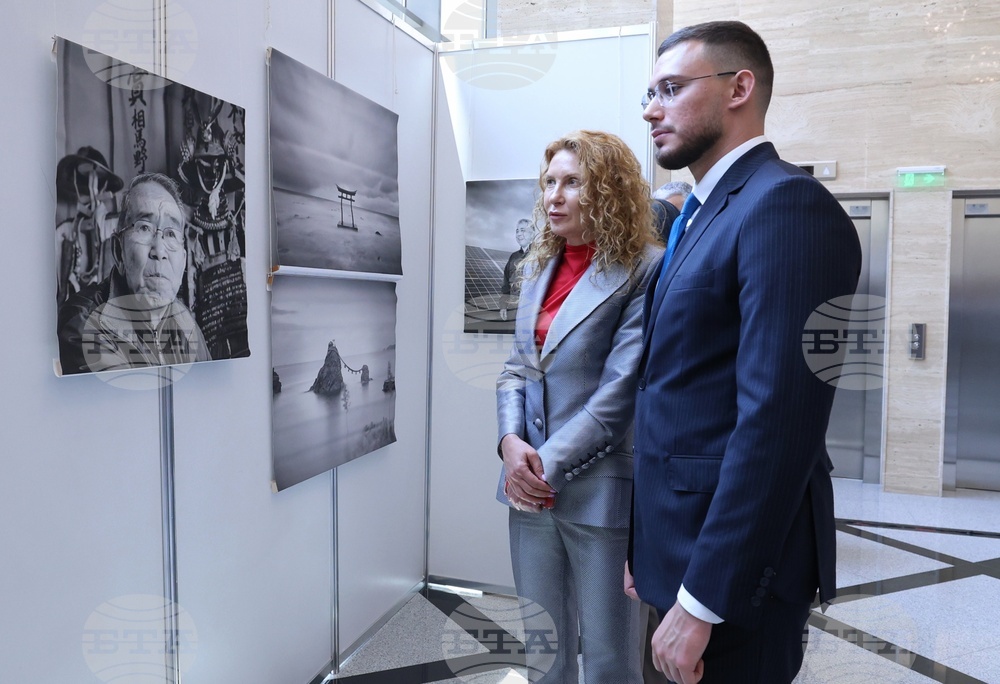
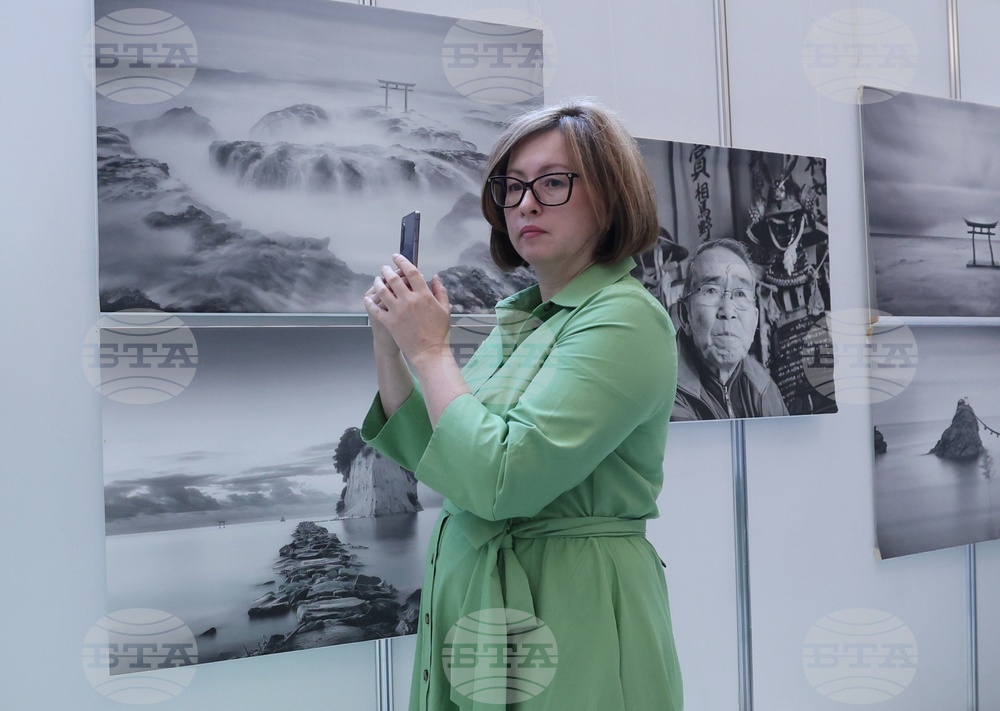
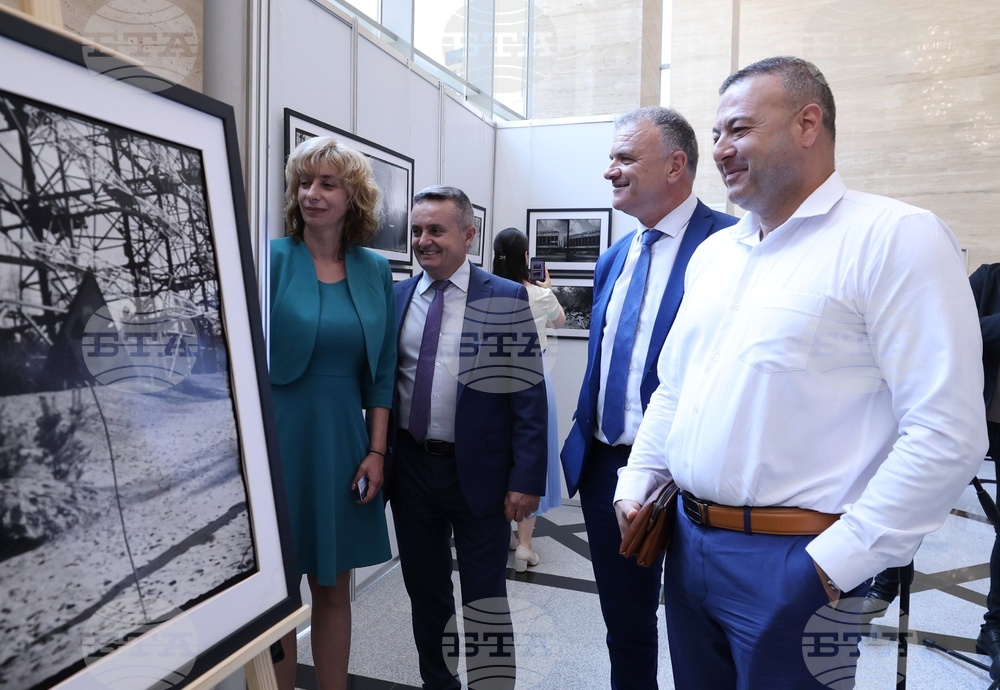
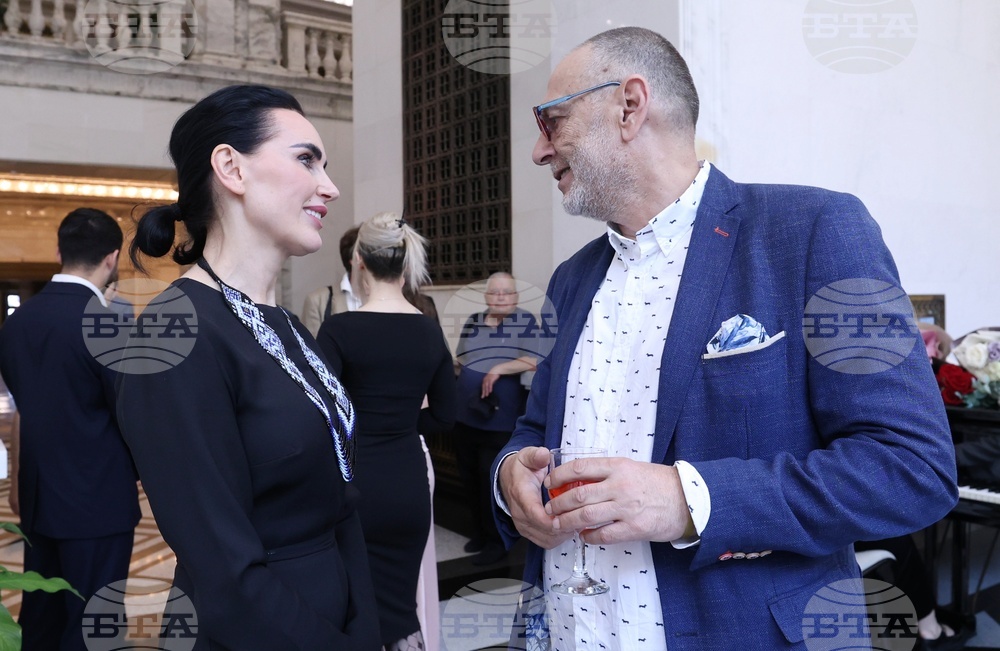
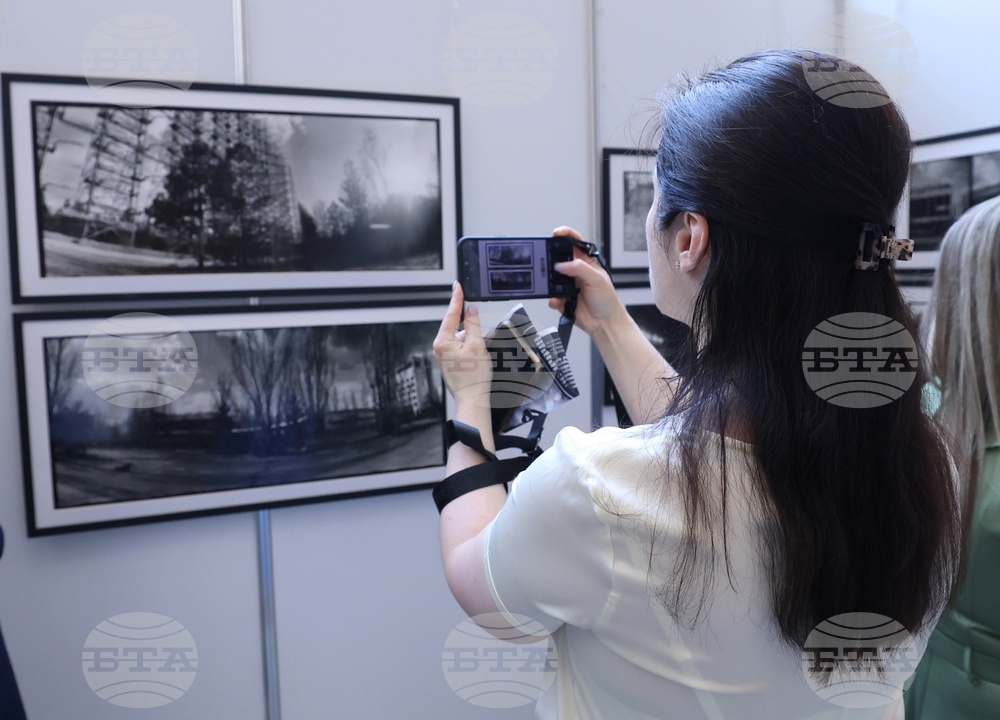
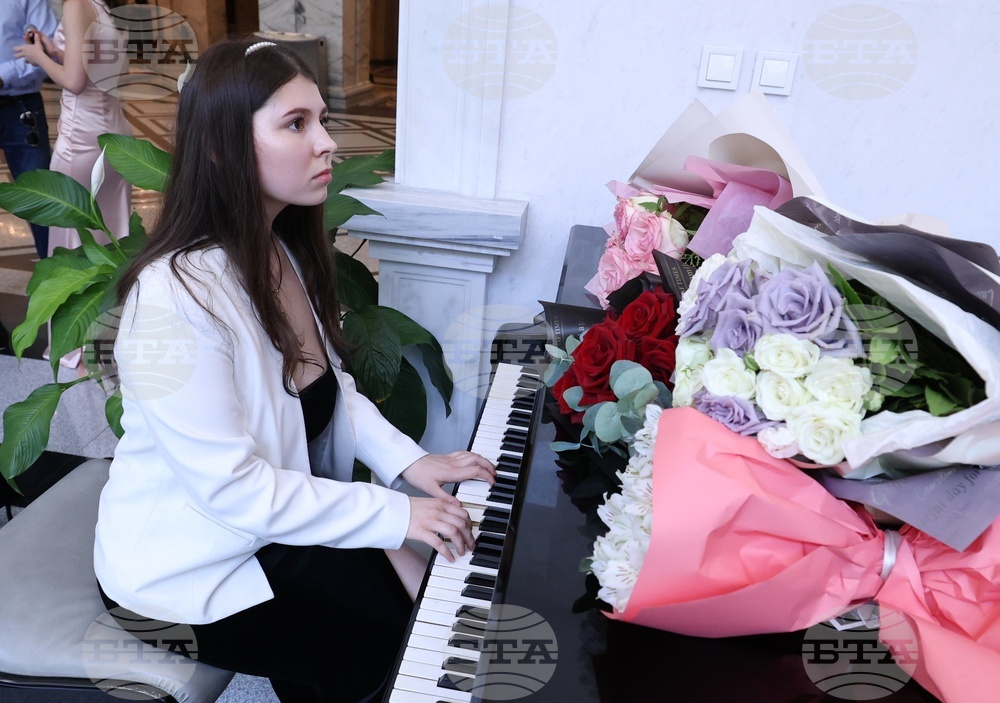
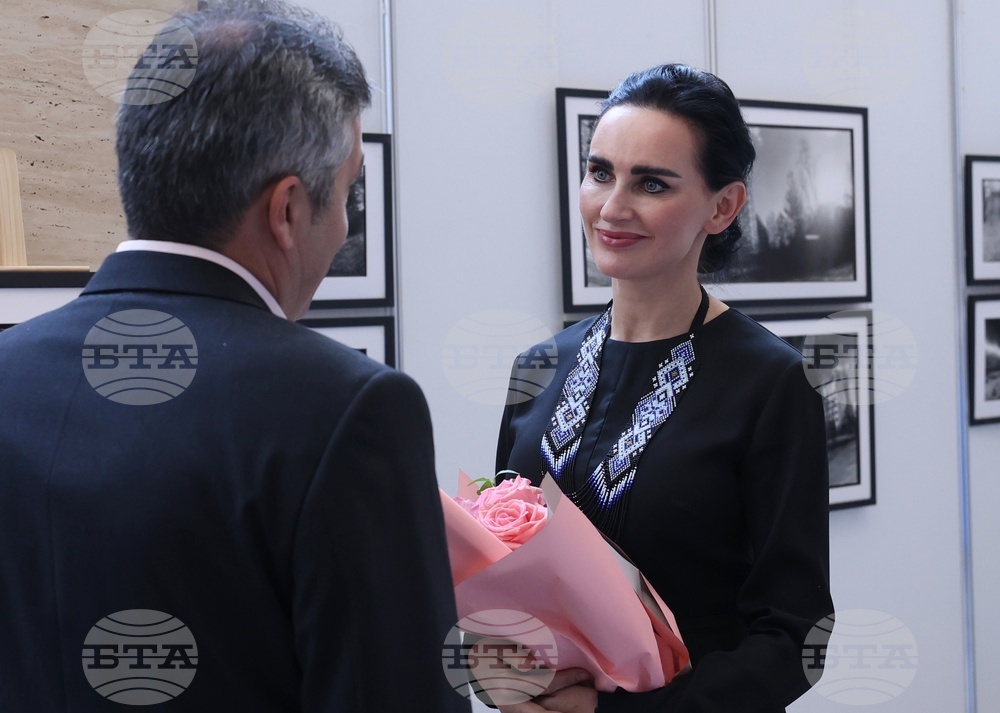
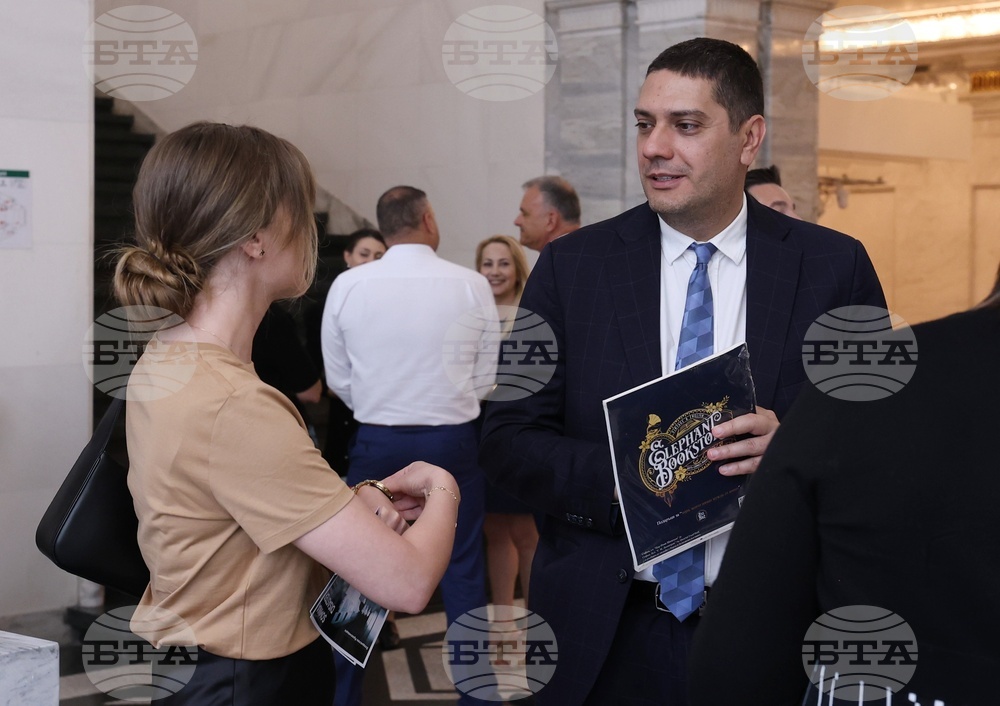
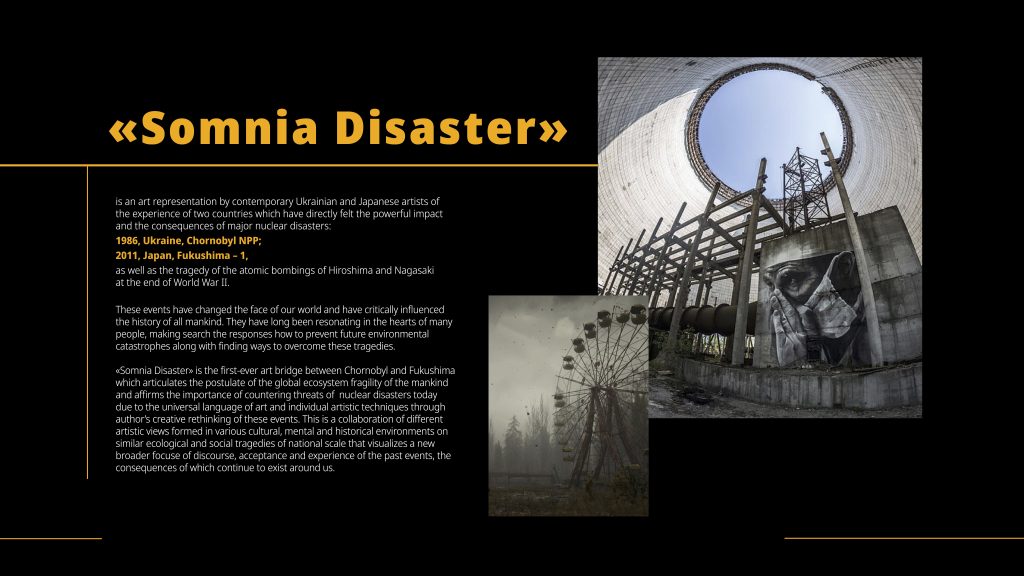
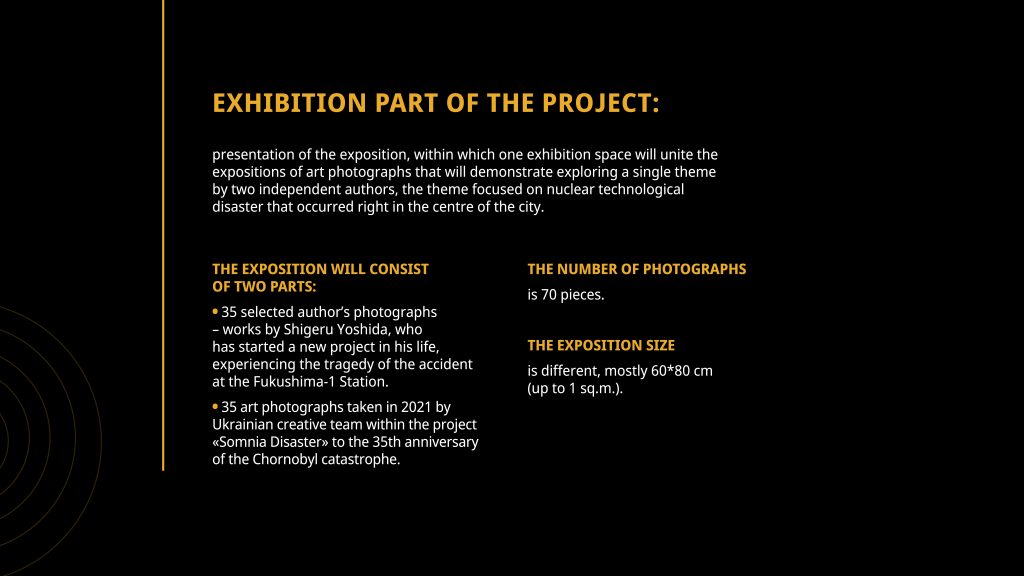
The accidents in Chernobyl and Fukushima are the focus of the documentary exhibition “The Catastrophe of Dreams”, which was opened at the National Assembly. The exhibition includes nearly 40 photographs by Alexander Tishchenko (Alex Luna) and Shigeru Yoshida, which touch on the psychological and aesthetic consequences of two of the largest nuclear accidents in the world. The event was organized on the initiative of MP Lyuben Dilov Jr. and the Chairman of the Parliamentary Committee on Defense and the Bulgaria-Ukraine Friendship Group Hristo Gadzhev.
The exhibition is important for all Bulgarians because our country was one of the countries most affected by the Chernobyl accident, said Lyuben Dilov Jr. According to him, this is also the first artistic bridge of its kind connecting Chernobyl and Fukushima. Lyuben Dilov Jr. pointed out that after the horrific incidents, Japan has created another engineering miracle with the construction of a 400-kilometer wall with an average height of 15 meters to protect the coast, and the Ukrainian people have turned Pripyat and the Chernobyl region into one of the most exotic places in Europe. “The catastrophe of dreams” gives birth to new dreams, not despair, he added. Lyuben Dilov Jr. also recalled the words of Shigeru Yoshida, who says that only the one who knows the pain can cure it and protect others from it.
For his part, one of the authors of the documentary photographs, Alexander Tishchenko (Alex Luna), noted that in these days when the world is facing a nuclear war, there is no higher value than human life, because it defeats any catastrophe. The opening of the exhibition was also attended by MPs, public figures, representatives of the diplomatic corps and journalists.
У Болгарії відкрилася фотовиставка «Somnia Disaster»
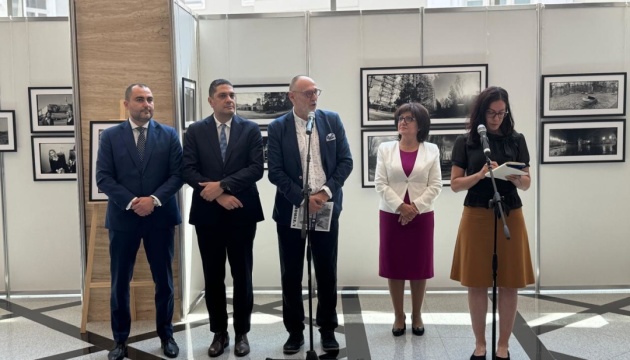
У Народних Зборах Республіки Болгарія 18 червня відбулася церемонія відкриття фотовиставки «Somnia disaster» – спільного артпроєкту українських та японських митців, присвяченого ядерним трагедіям у Чорнобилі, Фукусімі, а також Хіросімі та Нагасакі.
Як передає Укрінформ, про це у Фейсбуці повідомило посольство України в Болгарії.
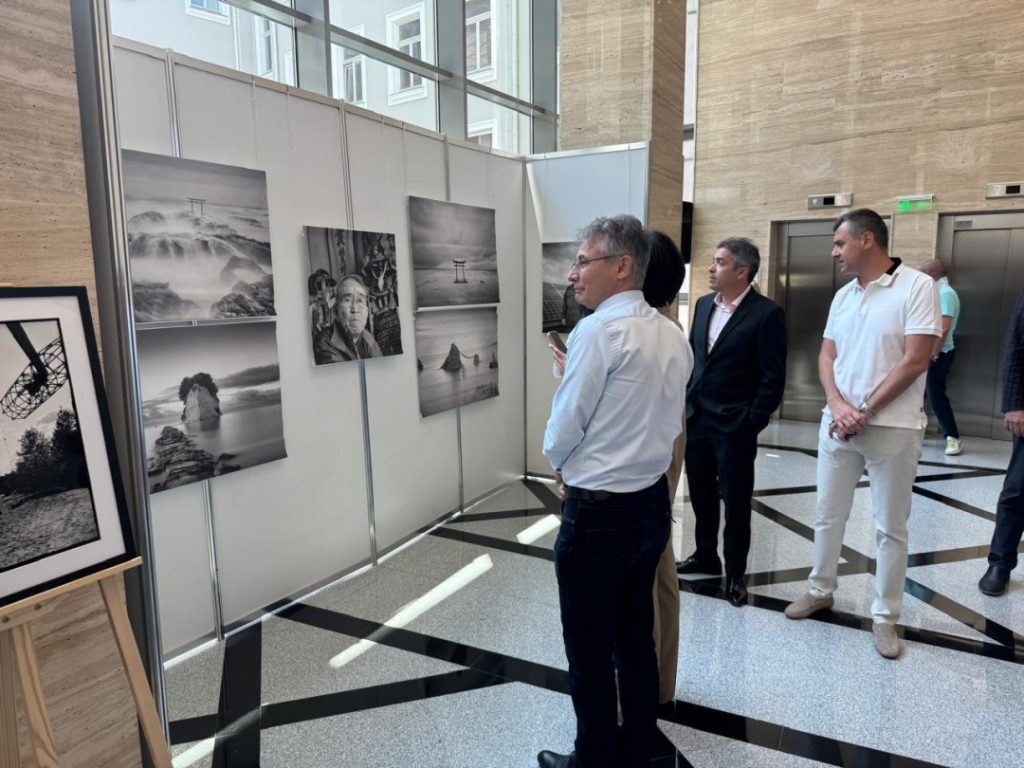
Експозиція унікальним чином об’єднала творчу команду під керівництвом Олександра Тищенка (Alex Luna) та японського фотографа Шіґеру Йошіди. Їхні роботи покликані привернути увагу міжнародної спільноти до проблеми протидії ядерним загрозам та спонукати до посилення міжнародної підтримки України.
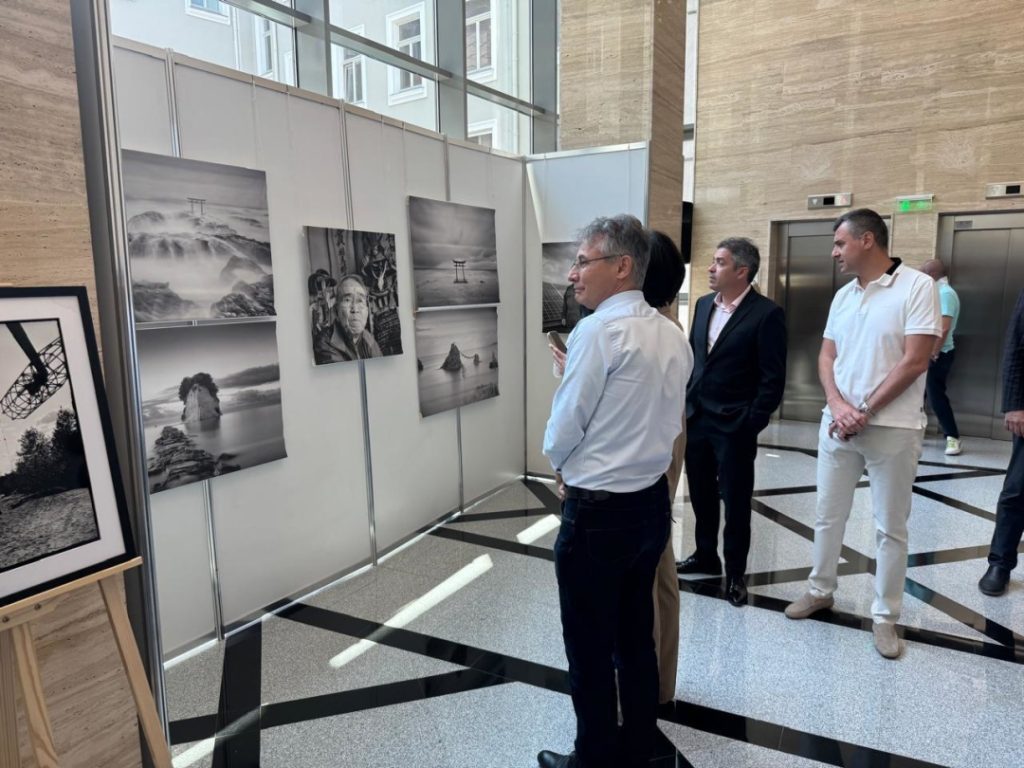
Виставку вдалося реалізувати за підтримки голови Групи дружби “Болгарія – Україна” болгарського парламенту Христо Гаджева та депутата Любена Ділова.
Читайте також: Болгарія продовжила до березня програму підтримки українських біженців
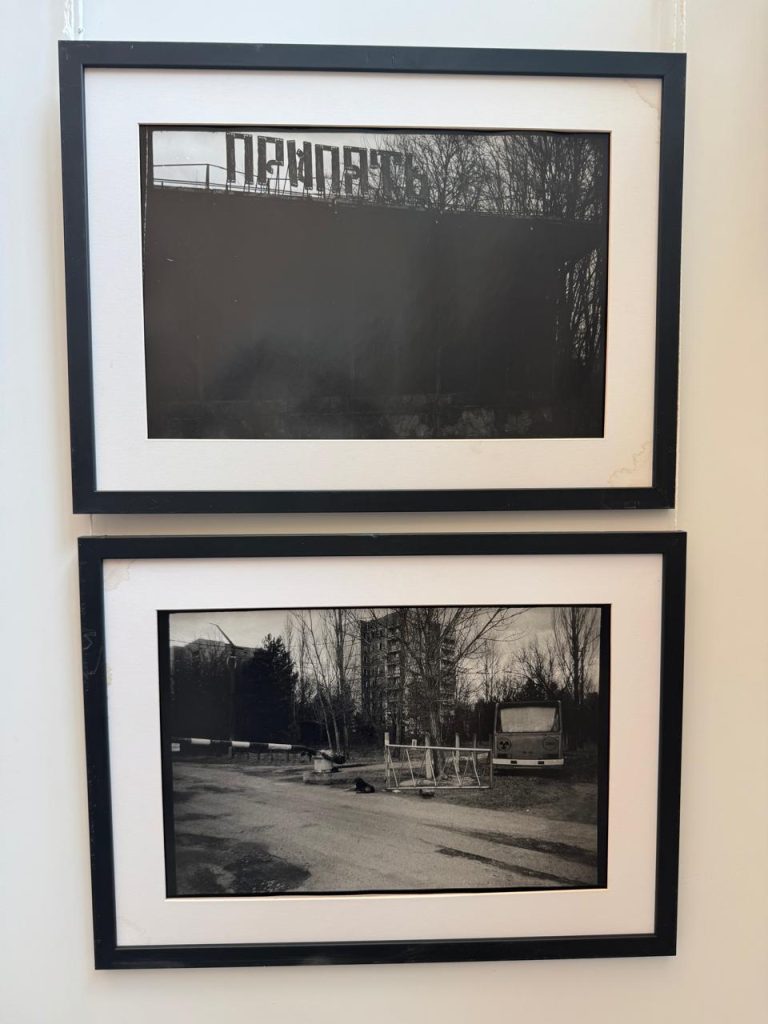
Під час церемонії відкриття болгарські депутати та гості заходу хвилиною мовчання вшанували пам’ять жертв російського ракетного обстрілу України, що стався 17 червня. Внаслідок цього терористичного акту загинуло 28 людей, а понад 130 отримали поранення.
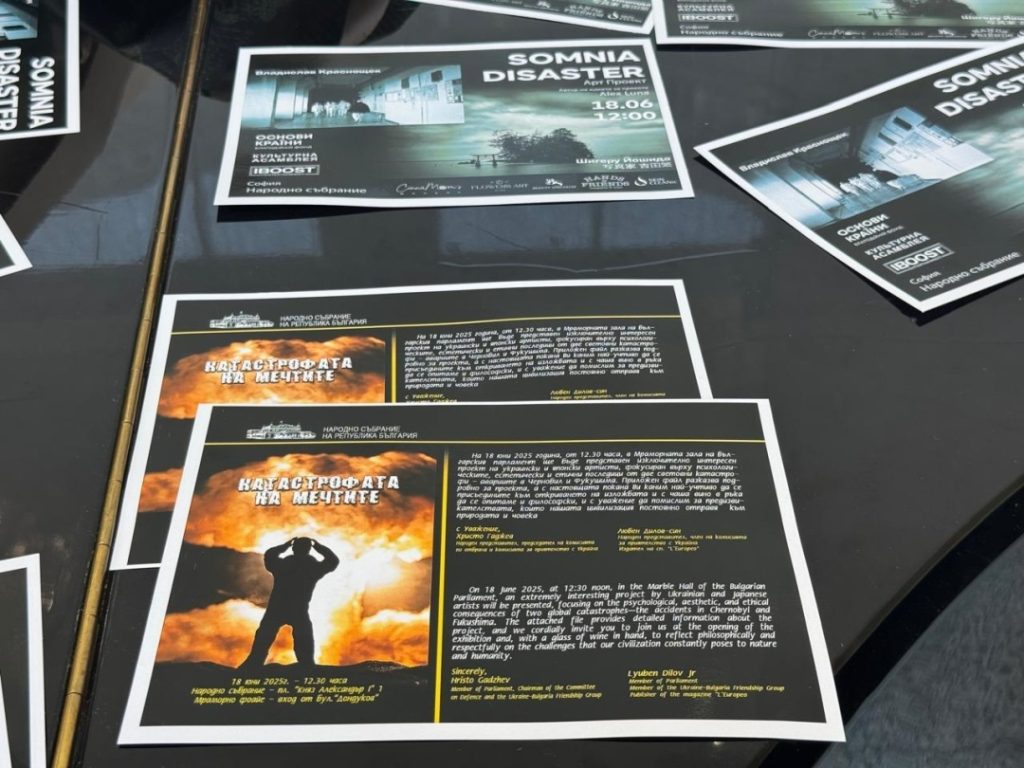
Нагадаємо, 12 червня на площі перед Народним театром ім. Івана Вазова у Софії відкрилася цифрова фотовиставка «Україна: любов + війна» – арт-документальний проєкт, який уперше представлено у Болгарії.
Somnia Disaster Featured In The Bulgarian Media
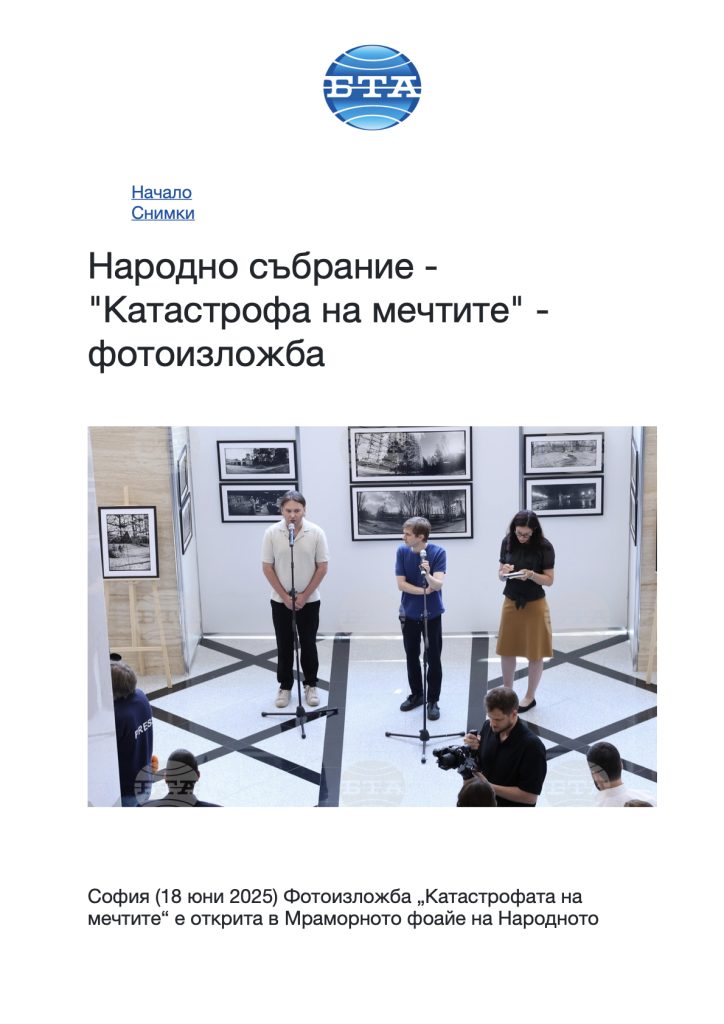

Kyiv & Sofia: Alex Luna Taking Somnia Disaster -A Chernobyl-Fukushima Cultural Bridge- Across European Parliaments
Somnia Disaster Featured In ICTV News
Somnia Disaster Making the News in Korotko Pro
“Somnia Disaster”: Alex
Luna exhibition opened in the Verkhovna Rada
YEVHEN GORIN
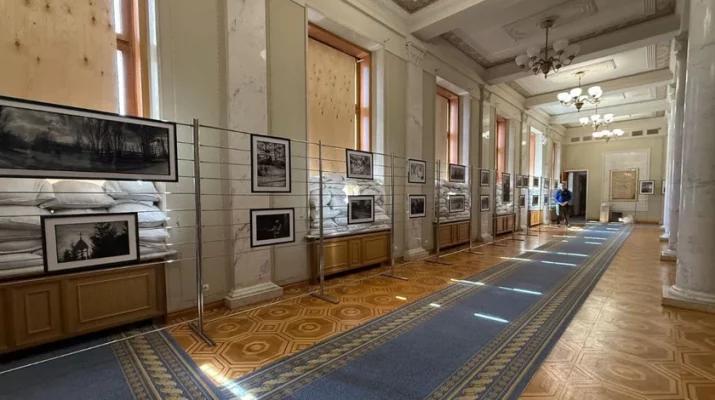
April 29, 2025, Kyiv – On the days of the next anniversary of the Chernobyl disaster, a unique art and documentary exhibition “Somnia Disaster” was solemnly opened in the building of the Verkhovna Rada of Ukraine, under a glass dome. It became one of the central events of this year’s commemorative events and a symbolic reminder of the value of human errors and the responsibility for the future.
The exhibition takes place during the regular session of the parliament.
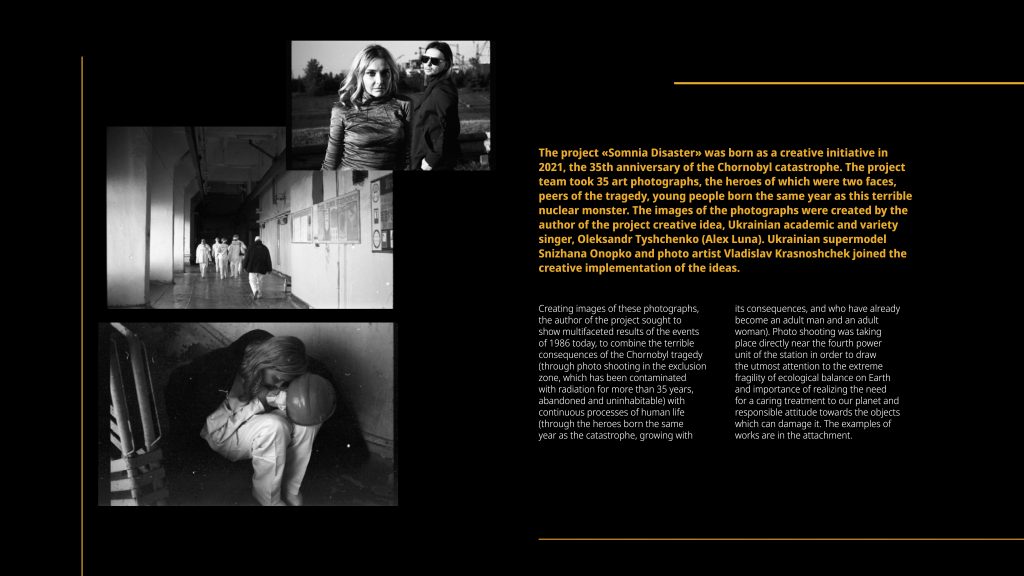
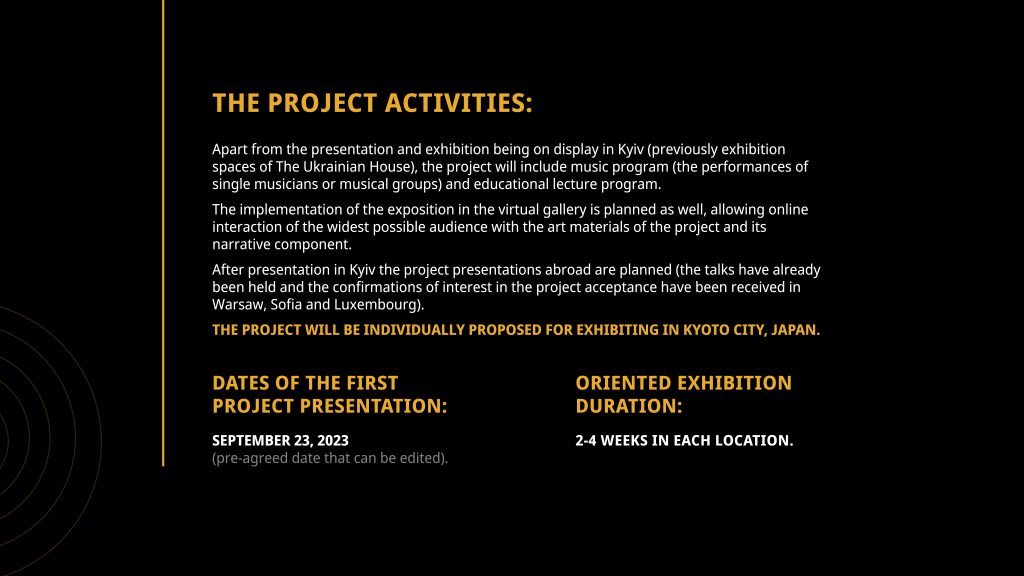
The Somnia Disaster project combines art, photography, film materials and modern audio installations in Ukrainian and German. Only the photographic part of the project, created by a prominent Ukrainian photo artist, a representative of the Kharkiv School of Photography, Vladyslav Krasnoshchek, is presented in the parliament building.
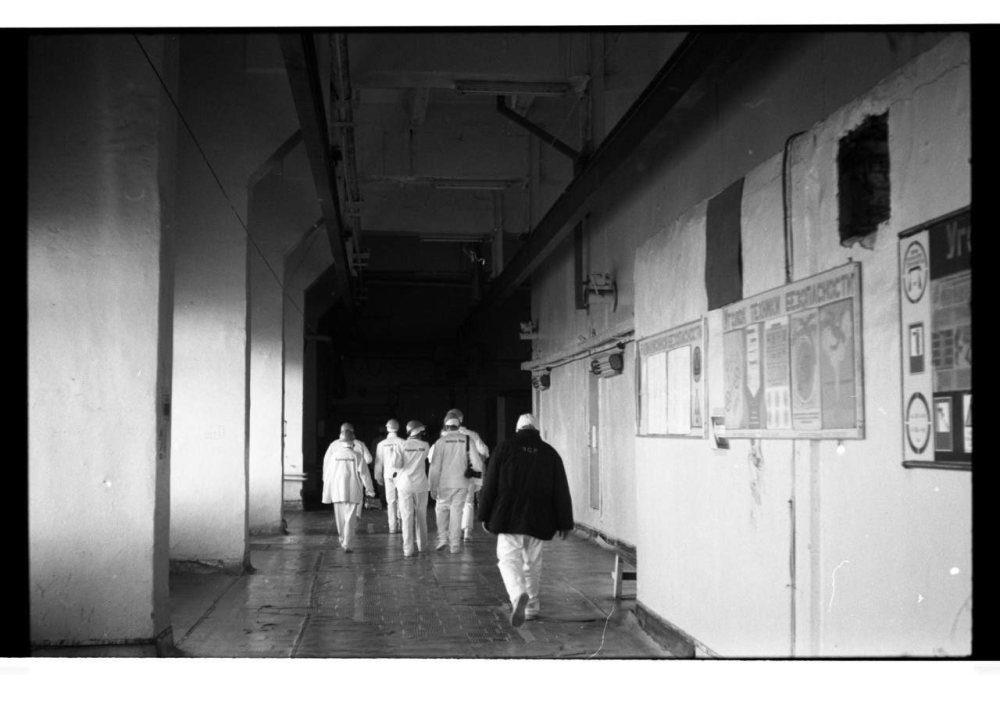
The photos are not only the iconic locations of the Exclusion Zone, but also the same age as the tragedy: the author of the project, opera singer Alex Luna, and Ukrainian supermodel Snizhana Onopko.
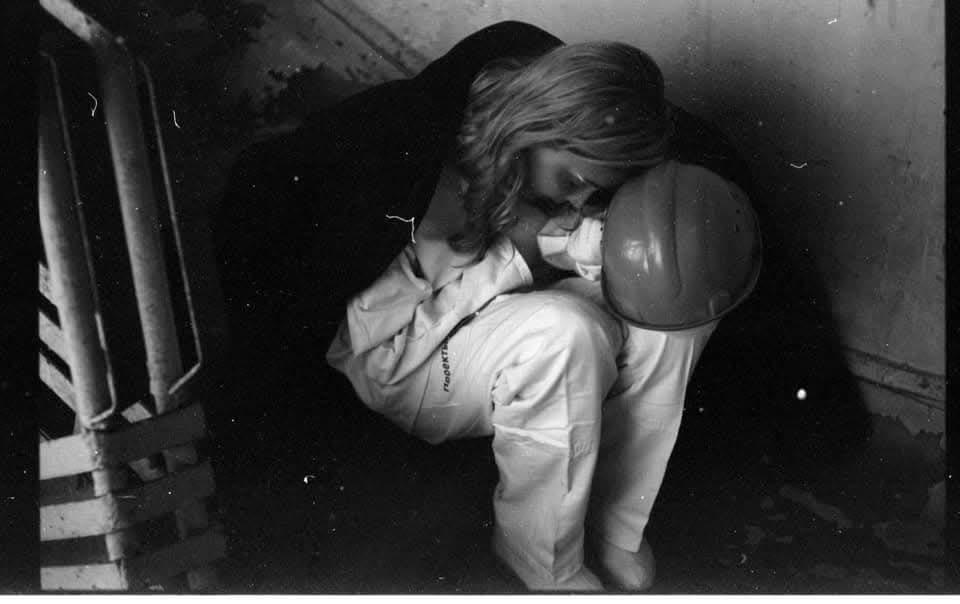
Today, the exhibition “Somnia Disaster” is shown in the Verkhovna Rada of Ukraine. Its ideologist Alex Luna, having implemented the project in 2021, sought to emphasize the fragility of life and the importance of remembering it. Probably, he had a “artist’s premonition,” says Tetiana Tsyba, MP and head of the subcommitteee on the protection of the rights of children who suffered as a result of military aggression. After all, today the relevance of this topic has not decreased, but on the contrary, it has acquired a new sound.
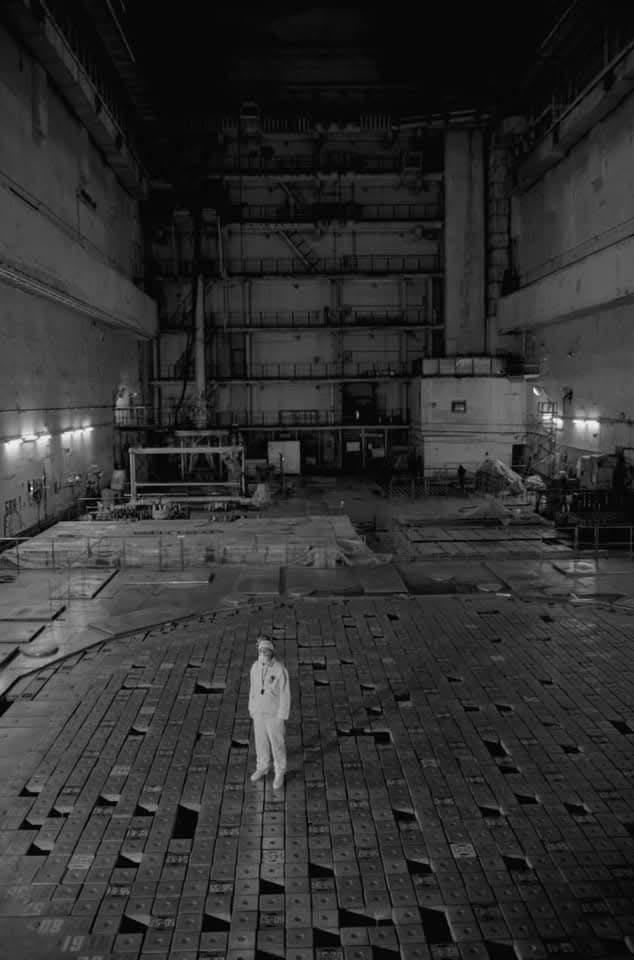
The exhibition “Somnia Disaster” will be available for viewing in the Verkhovna Rada during the week. From June 18, the exhibition will be hosted by the Parliament of the Republic of Bulgaria.
At a time when the world stands precariously close to the threat of nuclear catastrophe, Somnia Disaster emerges as a powerful cultural project that unites two of the most devastating nuclear tragedies in human history: Chernobyl and Fukushima. This exhibition serves not only as a bridge between cultures, but also as a stark reminder of our shared responsibility to prevent such disasters in the future.
Somnia Disaster is being presented in a highly symbolic setting — the Verkhovna Rada of Ukraine (Ukrainian Parliament) — from April 28 to May 2, during an active parliamentary session. Following this, the exhibition will move to the Parliament of Bulgaria from May 14 to May 21, where a major opening ceremony will be held. The event will bring together the Bulgarian Minister of Energy, Minister of Foreign Affairs, members of parliament from Bulgaria and Ukraine, as well as the Ambassadors of Japan and Ukraine, underlining the urgent international relevance of the project.
In an era when nuclear threats loom larger than ever, Somnia Disaster reminds us that memory, dialogue, and cross-cultural cooperation are vital for a safer future.
Listen to the Somnia Disaster podcast on Spotify
We are currently experiencing the greatest nuclear threat, which threatens not only Ukraine, but the entire world. What does it really look like in Ukraine’s largest nuclear power plant? What is the probability of a Chernobyl 2.0? This is what liquidators, military and scientists discuss in this podcast.
Watch Somnia Disaster’s making of featuring Snizhana Onopko and Alex Luna filmed on location