Ukraine Foundation
Inspiring Change, Driving Impact
Inspiring Change, Driving Impact

Ukraine Foundation is an independent, non-profit research and impact organization based in Switzerland and the United States, and active globally.
As a research-focused organization it focuses on peace processes and conflict resolution within the context of the war in Ukraine.
As an impact-driven organization it is committed to transforming lives and communities by fostering creativity, unleashing innovation, and strengthening cooperation across diverse fields.
Vienna: Ukraine Foundation’s Vice President for Cultural Diplomacy Alex Luna Performs at the Opening Ceremony of the ALDE’s 50th Anniversary Congress in Vienna’s historic Hofburg Palace
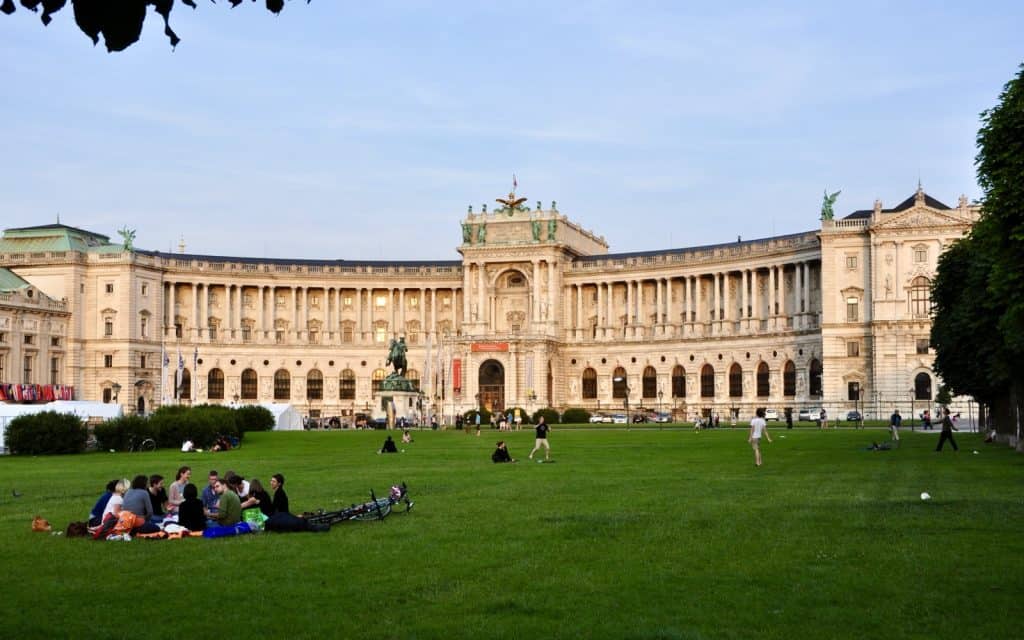
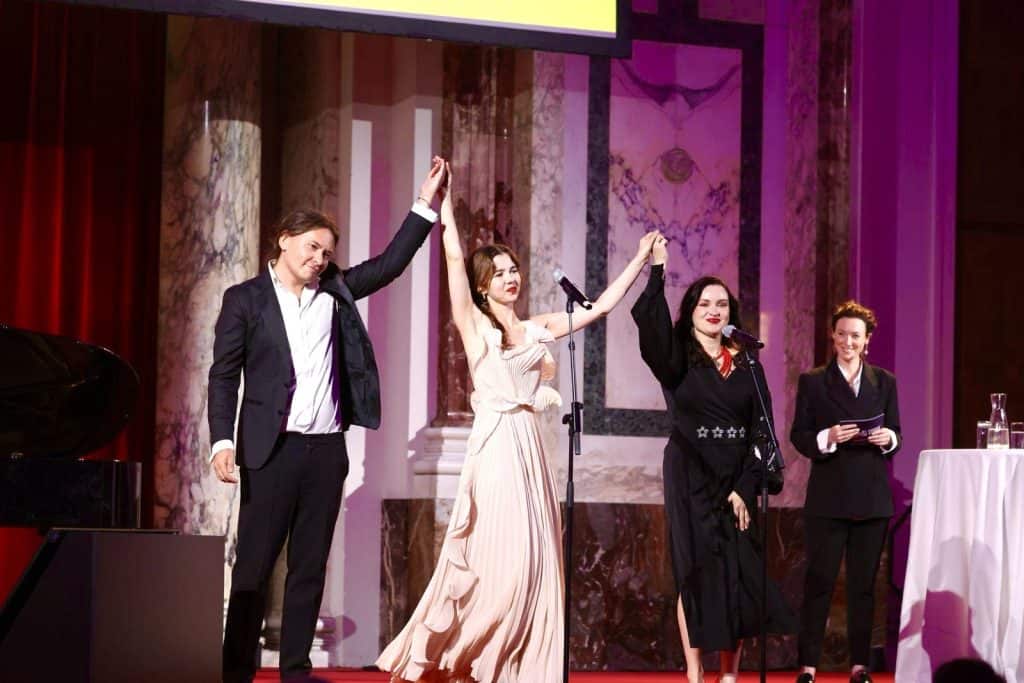
Ukraine Foundation was honored that its Vice President for Cultural Diplomacy, internationally acclaimed tenor Alex Luna (Oleksandr Tyshchenko), was invited to perform at the Opening Ceremony of the 50th Anniversary Congress of the Alliance of Liberals and Democrats for Europe (ALDE), held at the Festsaal of Vienna’s historic Hofburg Palace. Sharing the stage with internationally acclaimed Ukrainian soprano Tetiana Miyus, Alex Luna represented Ukraine through a programme celebrating European unity, freedom, and solidarity with Ukraine before an audience of Europe’s foremost political leaders, ministers, parliamentarians, diplomats and policymakers.
Marking ALDE’s 50th anniversary, the Congress brought together one of Europe’s most distinguished gatherings of liberal democratic leaders. Among the principal participants were Micheál Martin, Taoiseach of Ireland; Kristen Michal, Prime Minister of Estonia; Marta Kos, European Commissioner for Enlargement; Valérie Hayer MEP, President of the Renew Europe Group in the European Parliament; Svenja Hahn MEP, President of ALDE; Beate Meinl-Reisinger, Austria’s Federal Minister for European and International Affairs and Leader of NEOS; Anders Adlercreutz, Finland’s Minister of Education and Leader of the Swedish People’s Party of Finland; Christoph Wiederkehr, Austria’s Federal Minister of Education; Oleksandr Korniyenko, First Deputy Chairman of the Verkhovna Rada of Ukraine; and Rob Jetten, Leader of Democrats 66 (D66), alongside ministers, Members of the European Parliament, parliamentarians, mayors, diplomats, senior policymakers and representatives of civil society from across Europe.
The Opening Ceremony featured a special musical performance by Alex Luna and Tetiana Miyus, two internationally acclaimed Ukrainian opera artists whose careers have earned recognition on some of Europe’s most prestigious stages. Tetiana Miyus, a graduate with distinction from the National Tchaikovsky Music Academy of Ukraine, spent more than a decade as a principal soloist at Opera Graz before establishing a successful international career, performing leading roles at renowned opera houses and concert venues across Europe.
Together, the two artists presented a program celebrating both Europe’s rich musical heritage and Ukraine’s enduring cultural identity. Their performance featured Elvis Presley’s Can’t Help Falling in Love, Franz Lehár’s celebrated duet Lippen Schweigen from The Merry Widow, and the beloved Ukrainian folk song Why Did You Not Come? (Чом ти не прийшов). Warmly received by delegates and guests, the performance served as a powerful reminder that music transcends borders and remains one of the strongest expressions of freedom, friendship and shared European values.
As Vice President for Cultural Diplomacy, Alex Luna continues to advance Ukraine Foundation’s mission of strengthening international partnerships through the arts, promoting Ukraine’s cultural heritage, and fostering dialogue through artistic excellence. His appearance at the ALDE Congress reaffirmed the Foundation’s conviction that cultural diplomacy is an indispensable pillar of international cooperation and a powerful means of building lasting partnerships in support of a free, secure and prosperous Ukraine.
Ukraine Foundation extends its sincere appreciation to ALDE for the honor of participating in this landmark European gathering and remains committed to advancing Ukraine’s voice on the international stage through diplomacy, culture, education and strategic partnerships.
Gdansk: Ukraine Foundation’s Policy Fellow Maksym Glukhov Discusses Reconstruction With Swiss Federal Council Delegate Jacques Gerber Ahead of URC2026

The landmark interview offers valuable insight into Switzerland’s evolving strategy for supporting Ukraine’s recovery following the Swiss Parliament’s approval of a major cooperation framework that will mobilize CHF 5 billion for Ukraine between 2025 and 2036. The first phase allocates CHF 1.5 billion through 2028, including an initial CHF 500 million mechanism enabling Swiss companies to participate in Ukrainian recovery projects.
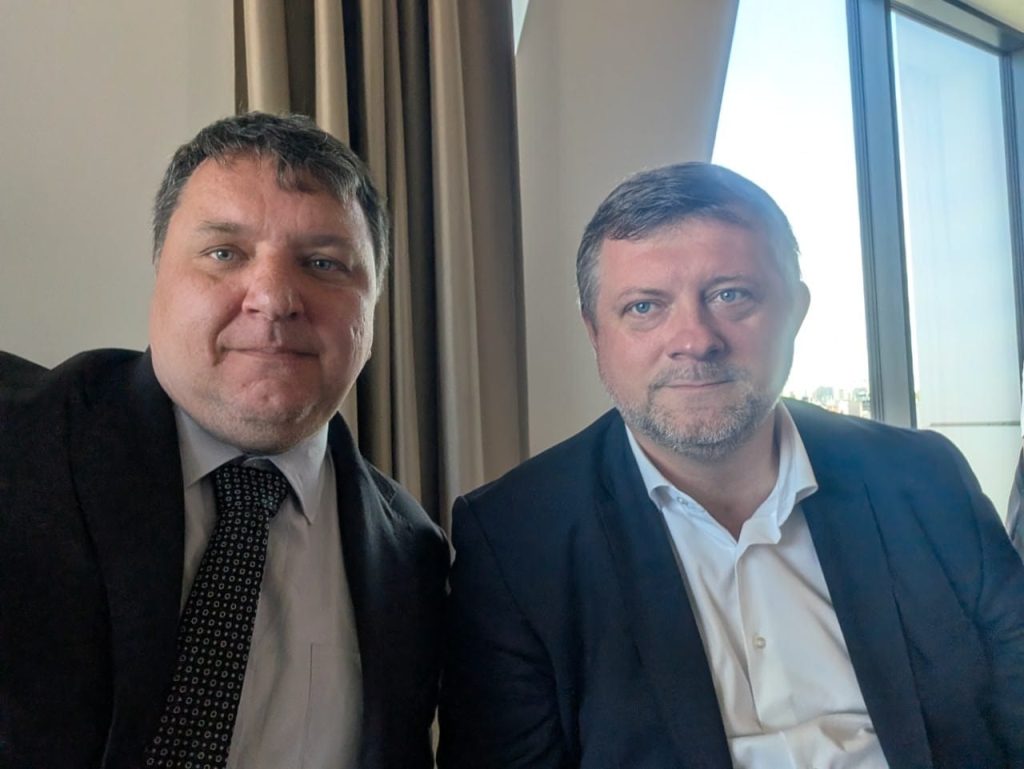
Jacques Gerber explains that Switzerland’s approach is guided by a fundamental principle: Ukraine must determine its own reconstruction priorities. Rather than selecting projects in Bern, Swiss support will be directed toward initiatives identified by Ukraine through its national recovery architecture, including the DREAM digital platform and the country’s official priority project pipeline.
A central message of the interview is that recovery cannot wait until the war ends. Gerber argues that reconstruction encompasses far more than rebuilding physical infrastructure. It also means preserving essential public services, sustaining economic activity, strengthening local communities, and ensuring Ukrainians can continue living and working in their own country despite the ongoing war. Even restoring damaged homes or replacing broken windows, he notes, forms an essential part of maintaining resilience.
The discussion also explores the growing role of Swiss industry in Ukraine’s reconstruction. According to Gerber, many Swiss companies increasingly view Ukraine not only as a recipient of assistance but as a strategic long-term economic partner. He highlights strong interest in energy, infrastructure, healthcare, engineering, agriculture, digital technologies, and humanitarian demining, while emphasizing that Switzerland’s programme remains strictly civilian.
Addressing questions surrounding investment risks, Jacques Gerber stresses that Switzerland applies rigorous monitoring, reporting, and international audit mechanisms while supporting Ukraine’s broader transparency and governance reforms. He also observes that many investors today identify administrative predictability and an efficient business environment as equally important factors for long-term engagement.
The interview further examines Switzerland’s emphasis on vocational education, support for small and medium-sized enterprises, sustainable industrial development, and the importance of building local capacity alongside physical reconstruction.
Beyond recovery policy, Jacques Gerber reflects on Switzerland’s commitment to the rules-based international order, arguing that international law must be applied consistently and universally if it is to remain an effective foundation for global security and stability.
Concluding the conversation, Jacques Gerber cites the resilience, determination, and optimism of the Ukrainian people as the principal reason for his confidence in Ukraine’s future.
The interview exemplifies Ukraine Foundation’s mission of fostering informed international dialogue on Ukraine’s recovery, governance, and long-term resilience. Through its Policy Fellowship, the Foundation supports emerging experts and practitioners who contribute to high-level policy discussions and strengthen international cooperation in support of Ukraine.
Ukraine Foundation congratulates Policy Fellow Maksym Glukhov on this significant contribution to the international conversation surrounding URC2026 and Switzerland’s enduring partnership with Ukraine.
Kyiv: Dr. Mariya Heletiy Discusses EU Enlargement and UK Politics on Suspilne

Our Vice President, Policy, Dr. Mariya Heletiy discusses on Suspilne two important developments shaping Europe’s political and strategic landscape: the future of EU enlargement and recent political developments in the United Kingdom.
The conversation first examines the growing debate over whether Ukraine and Moldova’s European Union accession processes should continue to advance in parallel or be assessed independently. Dr. Heletiy notes that while both countries were granted EU candidate status together, their accession paths are increasingly influenced by differing reform trajectories, distinct bilateral relationships with EU Member States and neighboring countries, and, in Ukraine’s case, the continuing impact of Russia’s full-scale invasion. These evolving dynamics, she argues, are likely to shape the future direction of the EU’s enlargement policy.
The discussion turns to recent political developments involving UK Prime Minister Keir Starmer and their potential implications for British governance, domestic political stability, and the United Kingdom’s role in European affairs.
Reflecting on both topics, Dr. Heletiy observes that they illustrate a broader challenge confronting Europe: reconciling immediate political pressures with long-term strategic objectives at a time of heightened geopolitical uncertainty.
Ukraine Foundation congratulates Dr. Heletiy on her continued engagement with leading public broadcasters and her contribution to informed discussion on the policy issues shaping Ukraine’s European future and the wider security and political landscape.
Warsaw: Dr. Maryna Vorotnyuk Discusses the Ankara NATO Summit on Allies
Our European Advisory Board member, Dr. Maryna Vorotnyuk, joins journalist Mariia Zolkina on her Allies programme for an in-depth discussion of the 2026 NATO Summit in Ankara, Turkey, and the broader strategic challenges facing the Alliance..
The conversation focuses on the Ankara Summit—the first NATO summit hosted by Turkey since 2004—and Turkey’s objectives as host, as well as its evolving role within the Alliance and its relationship with Europe.
Held on 7–8 July 2026, the summit brought together Allied leaders amid growing debate over European defence spending, continued support for Ukraine, and the future of the transatlantic partnership. Turkish officials used the occasion to underscore the country’s military capabilities, expanding defence-industrial base, and strategic importance to NATO. The subsequent decision by the United States to permit Turkey to resume procurement of F-35 fighter aircraft, reversing restrictions imposed following Ankara’s acquisition of the Russian S-400 air defence system, further highlighted Turkey’s renewed standing within the Alliance.
Dr. Vorotnyuk explains how Ankara continues to pursue a carefully calibrated foreign policy: maintaining its position as NATO’s second-largest military while balancing relations with Western allies, regional partners, and Russia, and seeking recognition as one of the Alliance’s principal strategic actors.
Drawing on her extensive expertise in Black Sea security and Turkish foreign policy, Dr. Vorotnyuk examines why Turkey’s strategic choices matter for Ukraine. Ankara’s approach to Russia, its influence over Black Sea security, and its relationships with both Washington and European capitals all have significant implications for Ukraine’s security environment, Euro-Atlantic integration, and long-term reconstruction.
Kyiv: Louis L. Voiron Gives Extensive Interview With the Peer-Reviewed Journal Ukrainian Policymaker
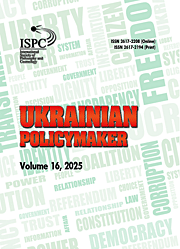
Ukraine Foundation is pleased to announce the publication of an extensive interview with its Vice Chair and President, Louis L. Voiron, in the peer-reviewed journal Ukrainian Policymaker. Conducted by Professor Valentin Yakushik of the Ukrainian Institute of Politics in Kyiv, the interview — titled “Ukraine at a Strategic Crossroads: Security, Reflexive Control, and Post-War Reconstruction” — examines the strategic, geopolitical, and economic dimensions of Russia’s war against Ukraine and assesses the challenges that will shape the country’s long-term security and recovery.

Drawing on two decades of experience in political consultancy, strategic forecasting, and international liaison, Louis Voiron situates the conflict within the broader transformation of the international security order rather than treating it as an isolated regional dispute. He traces his own engagement with Ukraine back to the early 2000s, when the consultancy he co-managed in Washington, D.C. contributed to President Yushchenko’s election campaign and helped shape the mobilization strategy behind the Orange Revolution. That early work led him toward a long-running focus on policy benchmarking and strategic forecasting — including, as early as 2007, warnings that Russia sought to rebuild a sphere of imperial control over Belarus, Ukraine, Moldova, and Georgia.
A central theme of the interview is Louis Voiron’s argument that reflexive control, not disinformation alone, has been the decisive instrument shaping Western decision-making since 2022. Where information operations distort what people believe, he explains, reflexive control is designed to shape how adversaries decide even when they hold accurate information. He points to Russia’s use of nuclear signaling and strategic ambiguity — from statements by senior officials to the deployment of dual-capable missile systems — as tools calibrated to constrain U.S. and European policy choices and keep Western assistance to Ukraine incremental rather than decisive.
Looking ahead, Louis L. Voiron outlines a range of scenarios for how the conflict might evolve, from a U.S.-mediated pause to a longer-term, Korean-style frozen conflict. He argues that any settlement lacking credible security guarantees and durable political commitments risks giving Russia the opportunity to regenerate its military capacity. He also flags the Baltic region — and the Suwałki Corridor in particular — as the most likely site of a future flashpoint should the conflict expand westward, precisely because such a scenario would align with Russia’s reflexive-control doctrine and test NATO cohesion directly.
The interview devotes significant attention to the strategic logic of continued U.S. and European engagement. Louis Voiron discusses the 2025 U.S.–Ukraine critical minerals agreement as an early example of a broader shift toward shared economic interests, not just shared values, and argues that Ukraine’s defense-industrial base, innovation ecosystem, and critical minerals sector position the country to become a meaningful contributor to transatlantic supply chains and security cooperation. He also stresses that Europe must take fuller ownership of its own deterrence — financially, industrially, and technologically — rather than relying on the United States by default.
Louis Voiron frames Ukraine’s reconstruction not merely as the physical rebuilding of damaged infrastructure, but as a strategic process of economic modernization, institutional strengthening, and technological integration spanning critical minerals, advanced manufacturing, defense technology, aerospace, cybersecurity, artificial intelligence, and energy resilience. He also highlights the value of Track 2 diplomacy and pilot projects — citing the protection of critical infrastructure such as nuclear power plants and water systems as one area where Switzerland, home to Ukraine Foundation’s Geneva office, could play a constructive role.
Asked about the Foundation’s current work, Louis L. Voiron described three interconnected priorities: supporting Ukraine’s resilience and international engagement through policy programs and structured bilateral dialogue; developing co-development projects with institutional investors and defense-technology innovators to strengthen Ukraine’s long-term economic and technological potential; and applying the Foundation’s experience in international negotiations and Track 2 diplomacy to support a fair and durable settlement. Taken together, he said, these efforts are meant to help anchor Ukraine within a stable, secure, and prosperous European and transatlantic future.
The interview reflects Ukraine Foundation’s mission to contribute to informed international dialogue on Ukraine’s security, democratic development, economic recovery, and global partnerships. By fostering evidence-based analysis and interdisciplinary research, the Foundation seeks to support policymakers, practitioners, researchers, and private-sector leaders engaged in shaping Ukraine’s long-term resilience and integration within the Euro-Atlantic community.
Ukraine Foundation extends its sincere appreciation to Professor Valentin Yakushik and the editorial team of Ukrainian Policymaker for facilitating this thoughtful and substantive exchange.
Tirana: Ukraine Foundation Vice President Alex Luna Participates in Public Diplomacy Initiatives During Ukraine–Southeastern Europe Ministerial Events
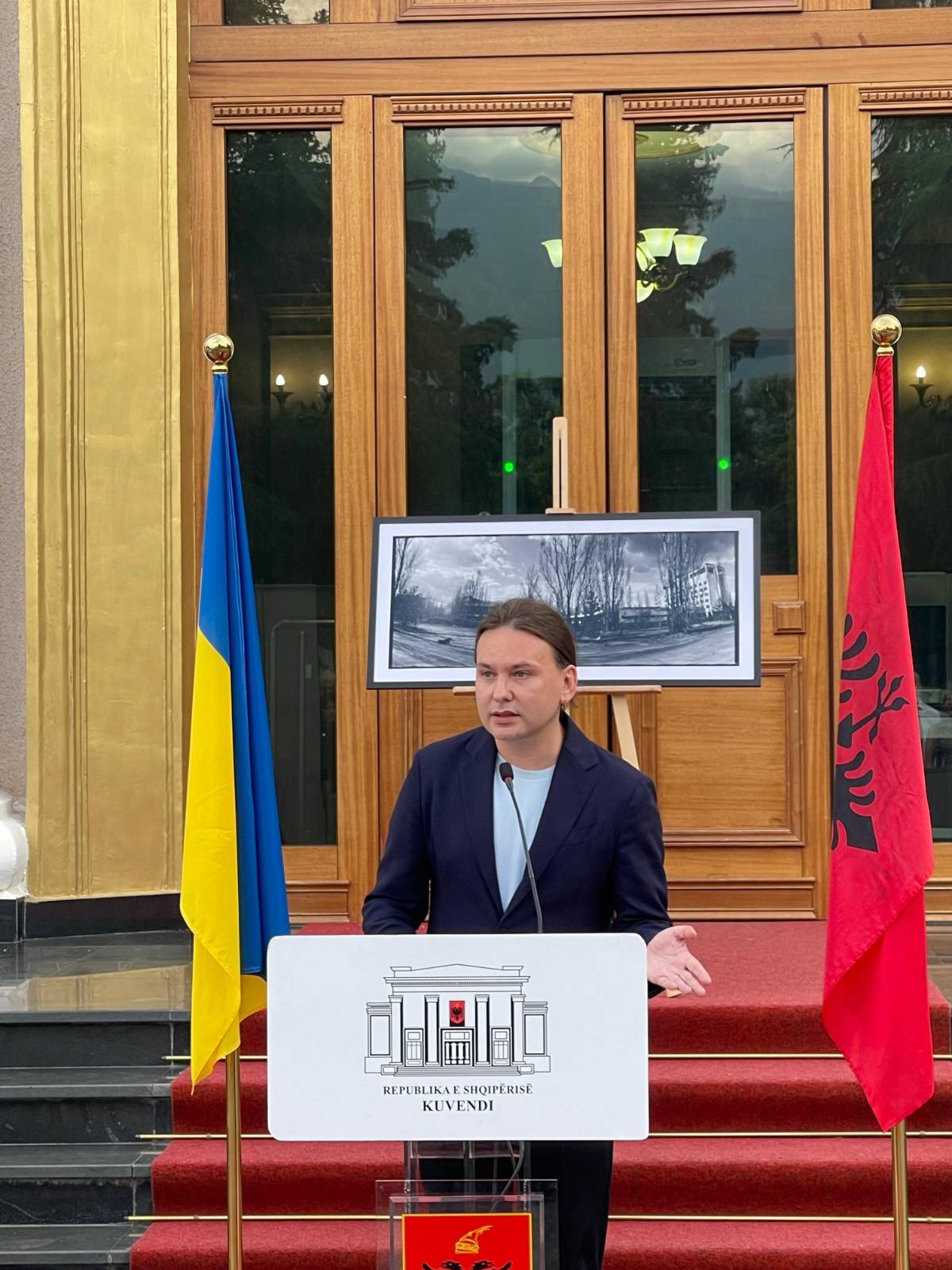
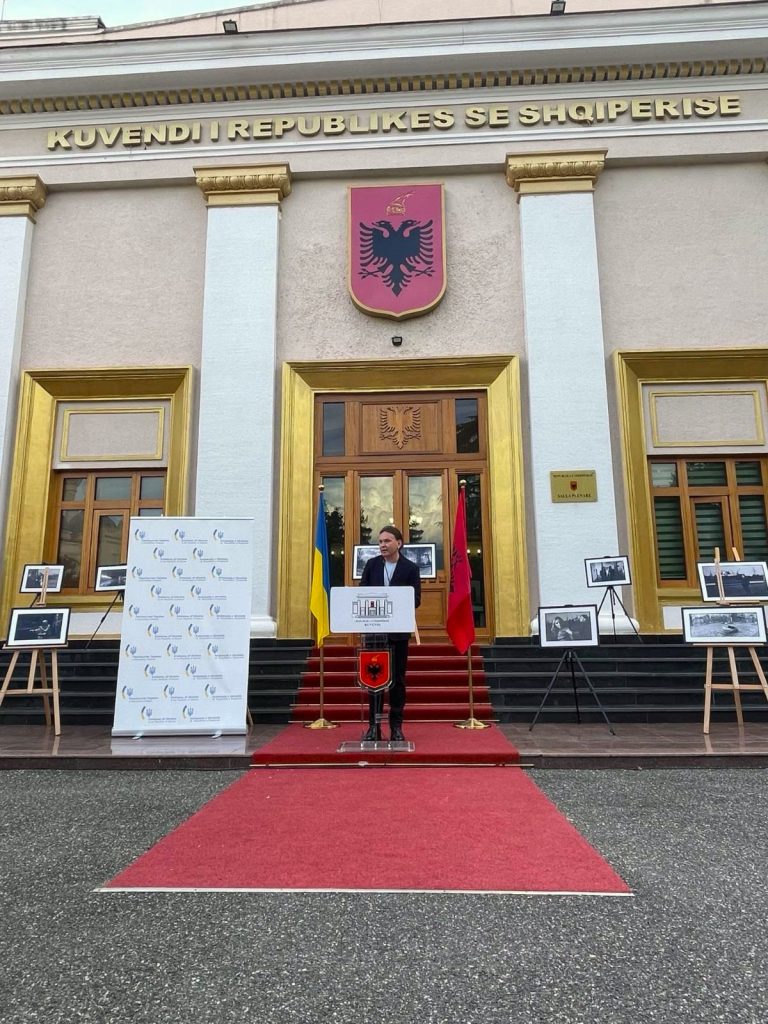
As foreign ministers from across Southeastern Europe gathered to discuss security, reconstruction, and regional resilience at the Ukraine–Southeastern Europe Ministerial Meeting in Tirana, Ukraine Foundation’s Vice President Alex Luna convened senior Albanian parliamentary leaders, diplomats, government officials, and international guests gathered at the Parliament of Albania for the opening of Somnia Disaster, a major Ukrainian photographic exhibition commemorating the 40th anniversary of the Chornobyl disaster.
The exhibition, organized by the Embassy of Ukraine in the Republic of Albania in cooperation with the Parliament of Albania, became one of the most visible public diplomacy initiatives accompanying a week of high-level discussions on regional security, resilience, reconstruction, energy security, and Ukraine’s European future. It reinforced Ukraine’s message of international partnership, historical memory, and democratic resilience.
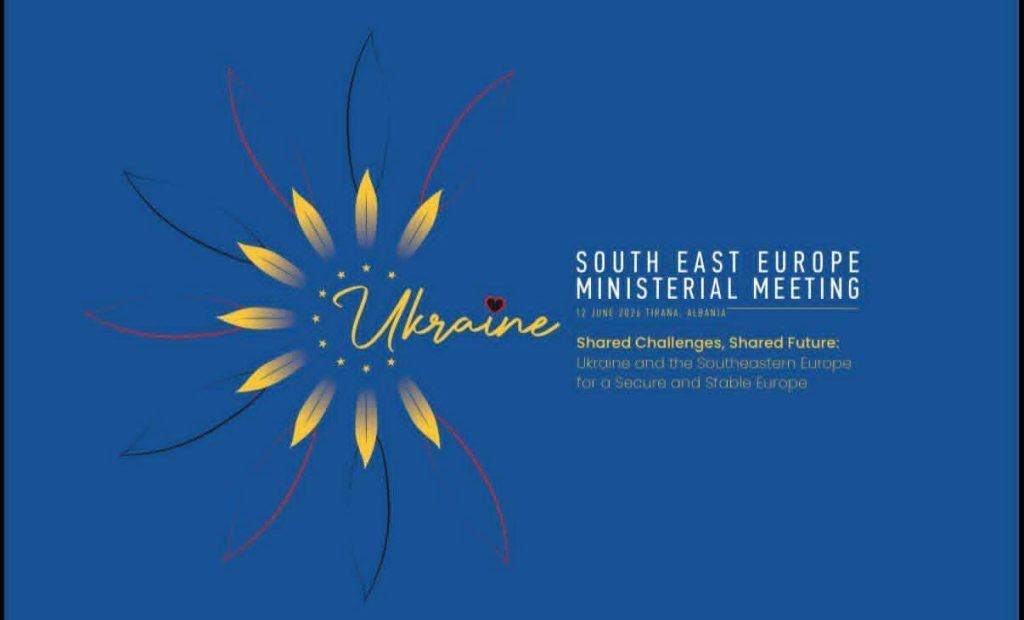
Held under the theme “Shared Challenges, Shared Future: Ukraine and Southeastern Europe for a Secure and Stable Europe,” the ministerial reflected the growing recognition that the security of Ukraine and that of Southeastern Europe are increasingly interconnected. Alongside official diplomatic discussions, cultural and educational initiatives provided an opportunity to engage broader audiences and reinforce the importance of international partnership, historical memory, and democratic resilience.
Ukraine Foundation Vice President for Public and Cultural Diplomacy Alex Luna (Oleksandr Tyshchenko) participated in the opening event as a featured guest and presenter, contributing to discussions on historical memory, international cooperation, and the contemporary relevance of the lessons derived from Chornobyl.
Public Diplomacy at the Parliament of Albania
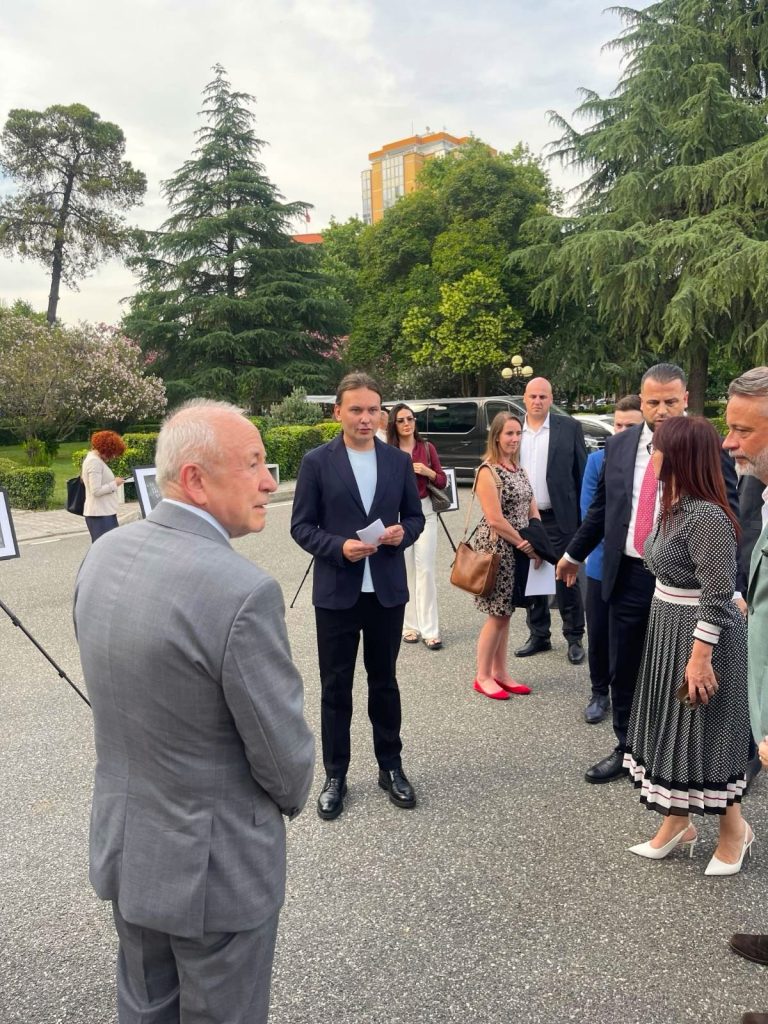
Hosted within the Parliament of Albania, the opening ceremony brought together senior representatives of government, parliament, diplomacy, and civil society.
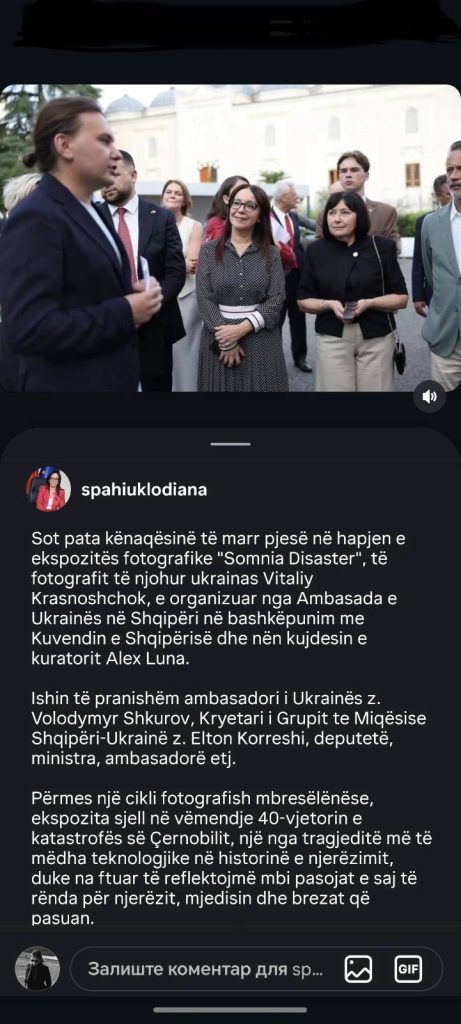
Among those participating were Vice Speaker of the Parliament of Albania Klodiana Spahiu; Ambassador of Ukraine to Albania Volodymyr Shkurov; Chairman of the Albania–Ukraine Friendship Group Elton Korreshi; representatives of the Albanian Government and Parliament; members of the diplomatic corps accredited in Tirana; and distinguished guests from the academic, cultural, and public sectors.
The exhibition featured thirty-five photographic works by Ukrainian photographer Vitalii Klymasiuk documenting the human, environmental, and societal consequences of the 1986 nuclear catastrophe. Through visual storytelling and documentary photography, Somnia Disaster explored the enduring impact of Chornobyl while encouraging reflection on the responsibilities of governments, institutions, and societies in addressing complex technological and environmental risks.
The event received extensive coverage from Albanian national media and public institutions, including the Albanian Telegraphic Agency (ATA), Albanian public broadcaster RTSH, the Parliament of Albania, and a number of regional and international outlets. The level of attention reflected the significance attributed to the exhibition’s educational and commemorative mission, as well as the broader relevance of Ukraine’s historical experience to contemporary security discussions.
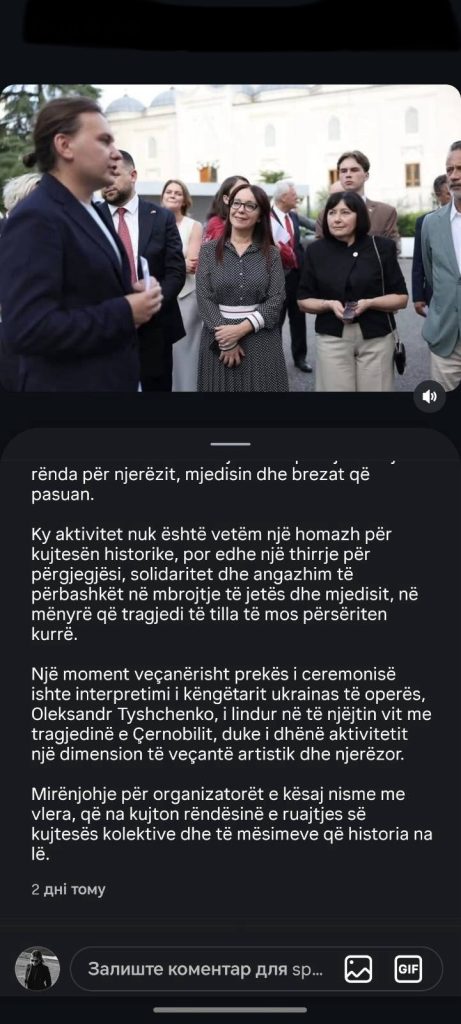
Particularly noteworthy was the public message issued by Vice Speaker Klodiana Spahiu following the opening, emphasizing remembrance, solidarity, and the importance of preserving historical memory as a foundation for responsible leadership and international cooperation.
Chernobyl’s Relevance in Today’s Security Environment
Forty years after the disaster, Chernobyl remains more than a historical event. Its lessons continue to inform discussions on nuclear safety, critical infrastructure protection, crisis management, and societal resilience.
Russia’s full-scale war against Ukraine has underscored the vulnerability of energy infrastructure and nuclear facilities during armed conflict. The occupation of the Chernobyl Exclusion Zone in 2022, continued threats to Ukraine’s energy system, and ongoing concerns surrounding nuclear safety have reinforced the importance of maintaining international attention on these issues.
Against this backdrop, Somnia Disaster served not only as a commemoration of a defining moment in modern history but also as a platform for reflection on contemporary challenges facing Ukraine and Europe.
The exhibition linked historical experience with present-day policy considerations, providing an opportunity to discuss resilience, accountability, and the protection of critical infrastructure in an increasingly complex security environment.
Strengthening Ukraine–Southeastern Europe Cooperation
The Ukraine–Southeastern Europe Ministerial Meeting highlighted the importance of regional cooperation in addressing shared challenges and advancing common interests.
As Europe confronts evolving security, economic, technological, and geopolitical challenges, resilient partnerships among governments, civil society organizations, academic institutions, and international stakeholders will remain essential. Cultural diplomacy initiatives such as Somnia Disaster complement official diplomatic engagement by fostering public understanding, strengthening international dialogue, and preserving historical memory.
The presence of senior Albanian parliamentary leadership, Ukrainian diplomatic representatives, members of parliament, and international guests at the exhibition underscored the growing importance of public diplomacy as a component of Ukraine’s engagement with Southeastern Europe.
For Ukraine Foundation, such initiatives remain an integral part of a broader mission to promote informed international cooperation, support democratic resilience, and strengthen understanding of Ukraine’s experience among partners throughout Europe and beyond.
The events in Tirana demonstrated how policy dialogue, cultural engagement, and public diplomacy can work together to reinforce the partnerships necessary for a more secure, resilient, and united European future.
- Albanian Parliament Hosts Somnia Disaster Photo Exhibition on Chornobyl Anniversary (Albanian Telegraphic Agency)
- Exhibition on Chornobyl Opens in the Parliament of Albania (Parliament of Albania)
- Somnia Disaster Brings the Memory of the Nuclear Tragedy to the Albanian Parliament (RTSH – Albanian Public Broadcaster)
- Photographic Exhibition Somnia Disaster Opens in Parliament on the 40th Anniversary of the Chornobyl Disaster (Tirana Diplomat)
Kyiv: Strategic Resilience Forged by Adversity Offers Lessons from Dr. Nicholas Krohley and Dr. Bogdan Chiriac

In a recent contribution to Euromaidan Press, co-authored by Ukraine Foundation’s Senior Fellow, Irregular Warfare and Human Dimension of Conflict, Dr. Nicholas Krohley and Romanian analyst Dr. Bogdan Chiriac, a stark and timely argument emerges: over the past two decades, Russia has unintentionally forged a far more resilient, adaptive, and strategically capable Ukraine—an outcome Europe should not assume it can replicate.

Krohley and Chiriac advance a thesis that is both counterintuitive and compelling. Through sustained pressure, coercion, and ultimately full-scale war, Russia has forced Ukraine into a process of accelerated national hardening. This transformation spans military capability, institutional adaptability, civil society mobilization, and psychological readiness. What began as a post-Soviet state navigating internal challenges has, under existential threat, evolved into a battle-tested nation with a uniquely integrated model of resistance.
This evolution did not occur overnight. Its roots lie in Euromaidan and the Revolution of Dignity, when Ukrainian society demonstrated its capacity for mass mobilization and democratic self-assertion. Since then, successive phases of Russian aggression—from hybrid warfare to full-scale invasion—have acted as a brutal but effective catalyst for reform, innovation, and cohesion.
The authors emphasize that Ukraine’s advantage lies not only in battlefield experience, but in a whole-of-society adaptation. Ukrainians have learned to operate under constant threat, integrate civilian and military efforts, and innovate rapidly in response to evolving challenges. The population has internalized that this is not merely a territorial conflict, but an existential struggle for national survival—sharpening decision-making and aligning national purpose in ways that few European societies have yet experienced.
By contrast, Dr. Krohley and Dr. Chiriac warn that Europe risks misunderstanding the nature of this transformation. The “gift” Ukraine received—if it can be called that—was forged through extreme adversity, sustained pressure, and the necessity of survival. It cannot be easily replicated through policy frameworks, defense spending increases, or peacetime reforms alone. Without similar urgency, European societies may struggle to achieve the same level of cohesion, readiness, and strategic clarity.
The implication is not that Europe should seek crisis, but that it must recognize the limits of incrementalism. Ukraine’s experience demonstrates that resilience is not built solely through planning, but through the alignment of institutions, society, and purpose under pressure. The challenge for Europe is to internalize these lessons before it faces similar tests.
For Ukraine Foundation, this analysis reinforces a core conviction: Ukraine is not only defending itself, but shaping the future of European security. Its hard-earned resilience offers critical insights—but also a warning. Strength born of necessity cannot be outsourced, and time remains the most decisive variable.
Odessa: Ukraine Foundation Vice President for Public and Cultural Diplomacy Alex Luna Exchanges Views with Ambassador Kurt Volker at the Black Sea Security Conference.
He joined policymakers, diplomats, military professionals, and security experts from across Europe and the wider Black Sea region.
The conference focused on the strategic consequences of Russia’s war against Ukraine, regional security cooperation, maritime security, critical infrastructure protection, and the future security architecture of Europe.
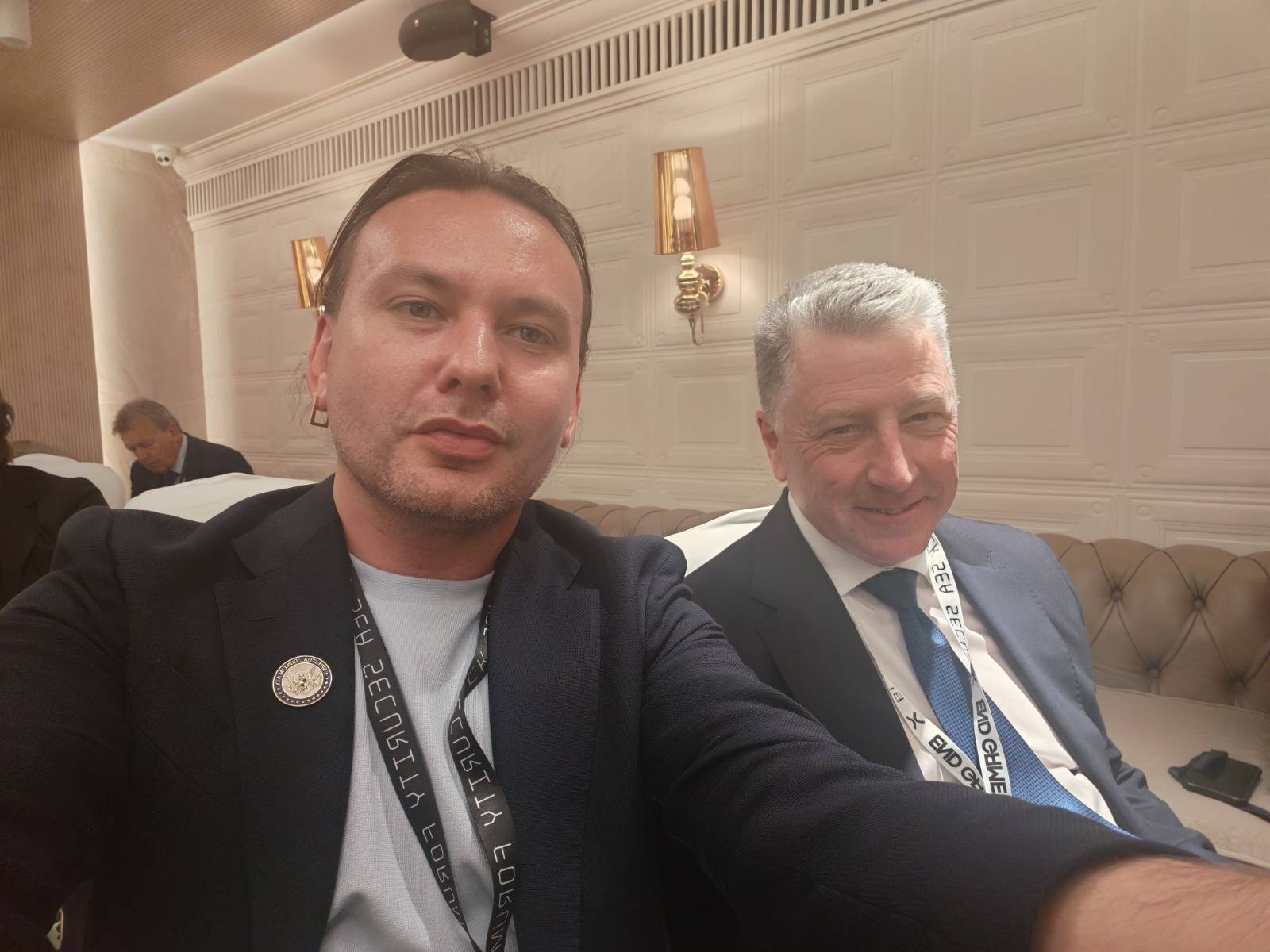
Bringing together governmental and non-governmental stakeholders, the forum highlighted the growing recognition that the security of the Black Sea region is inseparable from the security of Europe as a whole. Alex Luna’s presence at the conference reflected Ukraine Foundation’s commitment to supporting international dialogue on resilience, security, and Ukraine’s role in shaping the future of the wider European region.
Prague: Ukraine Foundation’s Vice President Alex Luna Warns of Growing Nuclear Security Risks Across Ukraine

In a recent interview with the Czech publication Seznam Zprávy, Alex Luna (Oleksandr Tyshchenko), advisor to Ukraine’s National Commission for Radiation Protection and Vice President of Ukraine Foundation, outlined the increasingly fragile state of nuclear security in Ukraine amid Russia’s continuing campaign against the country’s critical infrastructure. His assessment was unequivocal: if the situation has not yet reached a critical point, it is approaching one.
The interview focused on a reality often overlooked in discussions about the war. While public attention frequently centers on the occupied Zaporizhzhia Nuclear Power Plant, Ukraine’s nuclear security challenge extends far beyond a single facility. According to Tyshchenko, Russia’s long-range strike capabilities have effectively eliminated any notion of a safe geographic rear area. All four of Ukraine’s nuclear power plants remain vulnerable to attack.
Nuclear Security Is a European Security Issue
One of the key themes of the discussion was the inseparability of Ukrainian and European nuclear security. A major incident at any Ukrainian nuclear facility would not be confined by national borders. The consequences would affect neighboring countries, regional energy security, and public confidence across Europe.
Tyshchenko emphasized that modern nuclear infrastructure was designed to withstand accidents and technical failures—not sustained military attacks involving missiles, drones, and long-range precision weapons. The damage inflicted on the New Safe Confinement structure at Chornobyl illustrates this challenge. Built to safely isolate the destroyed reactor for generations, the structure was never intended to serve as a fortress against military strikes.
The lesson is significant. Nuclear safety standards developed in peacetime are now being tested in conditions for which they were never designed.
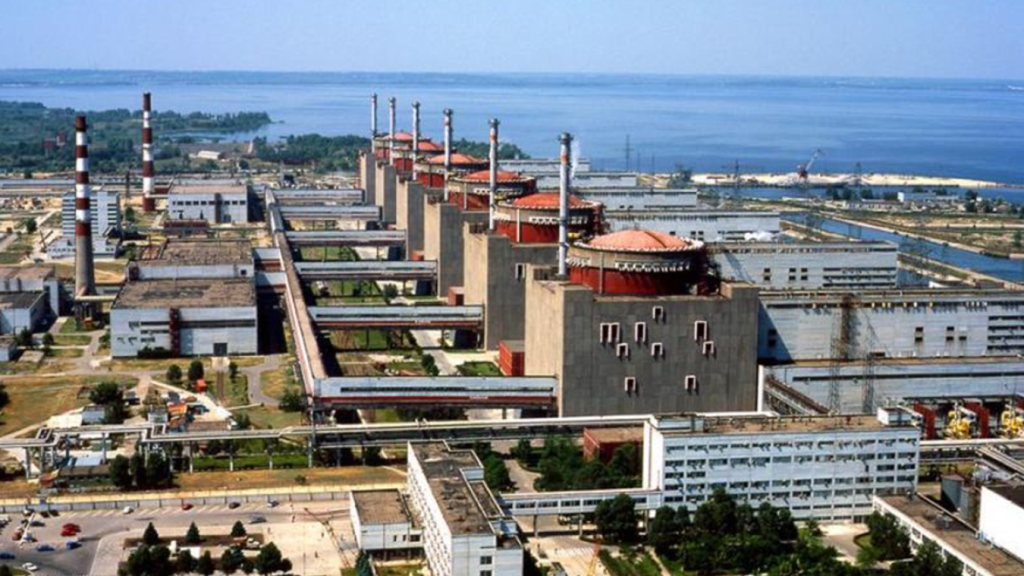
The Zaporizhzhia Challenge
The Zaporizhzhia Nuclear Power Plant remains the most visible symbol of the risks created by the war. Although all six reactors are currently shut down, the facility continues to require stable external power supplies to maintain cooling and essential safety systems. Repeated disruptions to these power connections remain a source of concern.
Tyshchenko noted that a failure of backup systems would not necessarily result in a repeat of the 1986 Chornobyl disaster. However, he warned that a severe accident could still create an environmental catastrophe whose consequences would be felt for decades and potentially extend beyond Ukraine’s borders. The exact impact would depend on meteorological conditions and the nature of the incident.
The discussion also addressed proposals occasionally advanced regarding international administration of the facility. Tyshchenko argued that the technical management of the plant is not the primary obstacle. The fundamental question is security: who can guarantee the safety of personnel operating a nuclear facility while one party to the conflict continues to conduct military operations against Ukrainian infrastructure?
Nuclear Facilities as Instruments of Psychological Pressure
A particularly important aspect of the interview concerned Russia’s use of nuclear-related incidents as instruments of strategic signaling and psychological pressure.
Tyshchenko described attacks associated with the Chornobyl exclusion zone as acts of psychological terrorism intended to exploit the enduring emotional impact of the 1986 disaster. Any incident involving Chornobyl immediately attracts international attention and generates public anxiety far beyond Ukraine’s borders. According to his assessment, this effect is not incidental but forms part of a broader strategy aimed at shaping perceptions and influencing international responses.
This observation reflects a wider trend visible throughout the war: critical infrastructure is targeted not only for its operational value but also for its psychological and political impact.
Resilience Under Continuous Threat
The interview also addressed Ukraine’s preparedness for radiological and nuclear contingencies. Tyshchenko cautioned against unrealistic expectations. No large European country can be fully protected against a nuclear attack or entirely shield its population from such risks. Nevertheless, Ukraine has accumulated practical experience in protecting and operating nuclear infrastructure under conditions of sustained military pressure.
This experience is unprecedented in modern Europe. For more than four years, Ukrainian authorities, operators, and emergency services have had to manage nuclear facilities while facing regular missile and drone attacks from one of the world’s largest military powers.
Lessons for Europe
The broader lesson emerging from Tyshchenko’s assessment is that the war in Ukraine has fundamentally altered assumptions about nuclear security. Traditional safety models were built around technical failures, natural disasters, and industrial accidents. They were not designed around the deliberate targeting of nuclear-related infrastructure during a major interstate conflict.
As Europe debates energy security, resilience, and defense preparedness, Ukraine’s experience demonstrates that nuclear security can no longer be treated as a purely technical matter. It has become an integral component of national security, critical infrastructure protection, and strategic deterrence.
The risks facing Ukraine’s nuclear sector are therefore not solely Ukrainian risks. They are a warning about the vulnerabilities that modern societies must address in an era where military, technological, and psychological dimensions of conflict increasingly overlap.
Washington, DC: Ukraine Foundation’s Vice President Alex Luna Hosts Ambassador William Taylor at Ukraine House for Landmark Dialogue on Ukraine’s Future
Ukraine Foundation is proud to highlight a landmark public diplomacy event hosted by our Vice President for Cultural Diplomacy, Alex Luna (Oleksandr Tyshchenko), at Ukraine House in Washington, D.C., featuring a distinguished conversation with former United States Ambassador to Ukraine, Ambassador William B. Taylor Jr.
Held at Ukraine House—one of the most important centers of Ukrainian civic and cultural engagement in the United States—the event brought together members of the Ukrainian-American community, policy professionals, diplomats, and supporters of Ukraine for an evening dedicated to dialogue, reflection, and international solidarity. Ukraine House serves as a key platform for advancing understanding of Ukraine in the United States and fostering meaningful engagement between American and Ukrainian stakeholders.
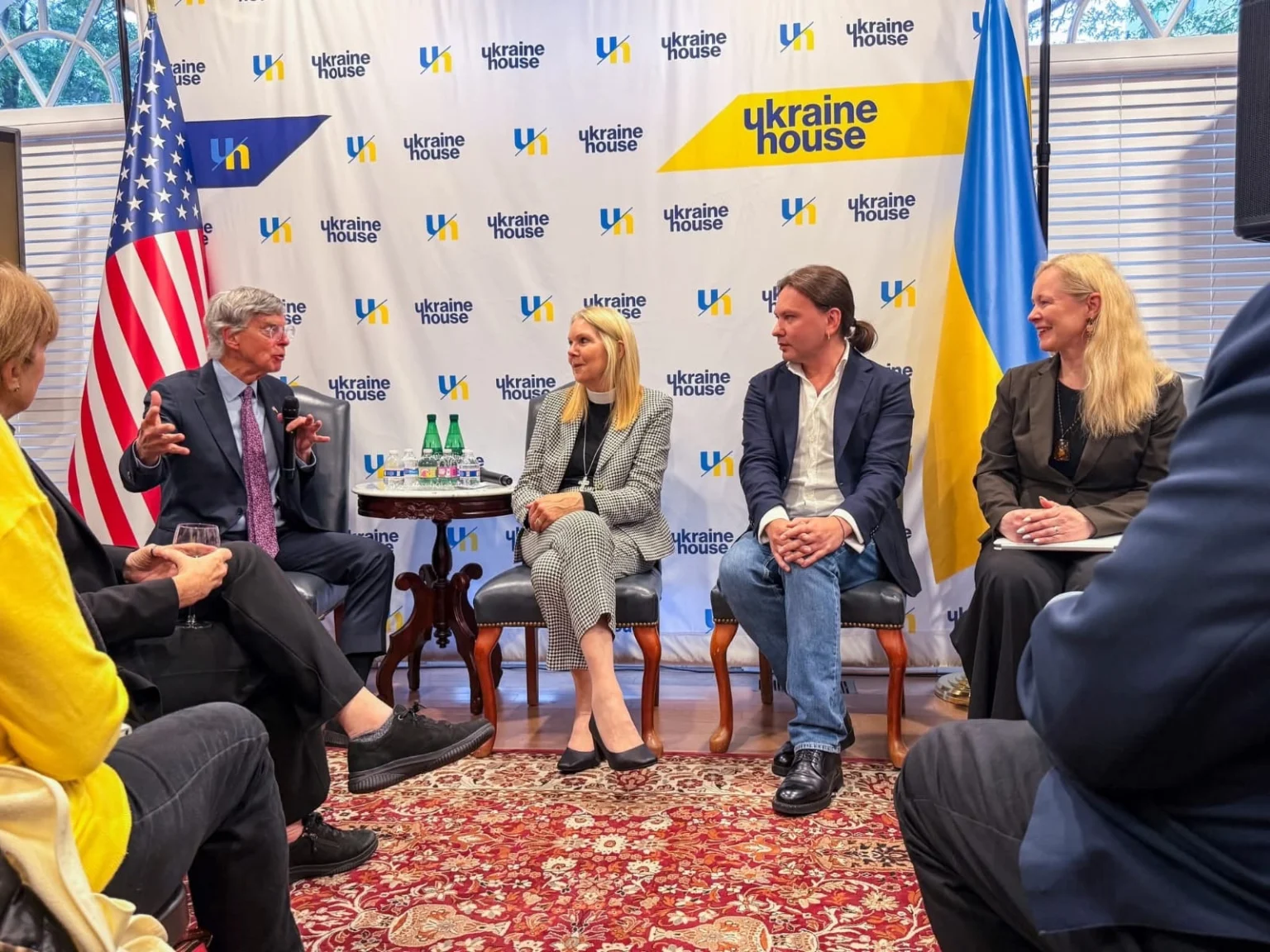
As moderator and host, Alex Luna guided a thoughtful discussion with Ambassador Taylor on the evolving geopolitical landscape, the enduring importance of transatlantic cooperation, and the challenges and opportunities facing Ukraine as it continues to defend its sovereignty and pursue its Euro-Atlantic future.
Ambassador Taylor, one of the United States’ most respected diplomats and long-standing advocates for Ukraine, offered valuable insights drawn from decades of experience in diplomacy, security policy, and U.S.-Ukraine relations. The discussion underscored the strategic importance of sustained international engagement and highlighted the resilience demonstrated by the Ukrainian people in the face of ongoing aggression.
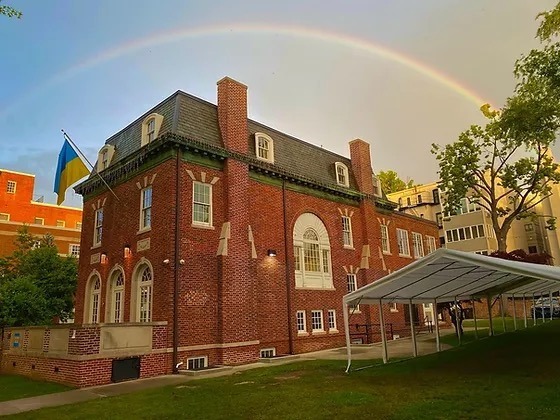
For Ukraine Foundation, the event reflected the organization’s broader commitment to strengthening international partnerships, advancing informed public discourse, and creating opportunities for constructive engagement between policymakers, experts, civil society leaders, and the Ukrainian diaspora. Through initiatives such as this, the Foundation seeks to contribute to a deeper understanding of Ukraine’s strategic importance and the global implications of the war.
Alex Luna’s leadership in convening conversations of this caliber continues to demonstrate the important role that cultural and public diplomacy play in strengthening Ukraine’s international presence. As Vice President for Cultural Diplomacy, he has consistently worked to build bridges between Ukraine and its international partners through dialogue, advocacy, and cultural engagement.
Ukraine Foundation extends its sincere gratitude to Ambassador William Taylor for his participation and to Ukraine House for providing a distinguished venue that continues to serve as a focal point for the Ukrainian community and its friends in Washington.
Washington & Orlando: “Chaplain (Here I Am)” Premieres in Orlando, Advancing Ukraine’s Cultural Diplomacy Through Faith and Resilience

On May 2, the short film Chaplain (Here I Am) has its U.S. premiere at the International Christian Film Festival in Orlando. This powerful film, shaped by the realities of war, faith, and human endurance, offers international audiences a unique and moving perspective on Ukraine’s ongoing struggle.


Co-produced by our Vice President for Cultural Diplomacy, Alex Luna, Chaplain (Here I Am) is a prime example of how Ukraine is increasingly using cultural storytelling as a strategic tool. Through its narrative, the film conveys the moral and human dimensions of the Ukrainian experience—offering a deeper, more personal view of the nation’s resilience.
At its heart, Chaplain (Here I Am) follows the transformation of profound personal loss into a calling for service. The story centers on a chaplain, emphasizing the importance of presence over answers. It portrays faith not as an abstract concept but as a lived experience of solidarity during the most challenging moments. The film is part of a larger movement in Ukrainian cinema that focuses on intimate, human-centered stories, adding emotional and ethical depth to the often-dominant geopolitical discourse.
The International Christian Film Festival, a leading platform for values-based cinema, offers an ideal setting for a film that explores themes of suffering, meaning, and hope. Its universal messages resonate far beyond Ukraine’s borders, highlighting the global relevance of the country’s journey.
“This film is about the power of presence in the face of loss. In Ukraine today, chaplains stand where words often fall short. Through this story, we aim to convey not just grief, but the quiet strength that enables hope to endure.”
After its premiere in Orlando, Chaplain (Here I Am) has been showcased in Washington DC, including a special screening at the Ukrainian House. These screenings reinforce the film’s role not only as a cinematic work but as a tool for cultural dialogue within diplomatic and policy circles.
In this pivotal moment for Ukraine, Chaplain (Here I Am) demonstrates the vital role of culture in amplifying the nation’s voice on the global stage—articulating the resilience, dignity, and enduring search for meaning that transcends the battlefield.
Kyiv: Alex Luna Discusses Chaplain (Here I Am) and the Power of Culture in War on Ukrainian Radio
In a recent interview on Ukrainian Radio, the national public broadcaster operated under Suspilne, Alex Luna discussed the creation of Chaplain (Here I Am) and the broader role of culture in shaping Ukraine’s narrative during wartime.
The conversation situated the film within the lived reality of Ukraine, where loss, resilience, and faith have become defining elements of the national experience. Luna emphasized that Chaplain (Here I Am) is not a conventional war story but rather an exploration of the human and spiritual dimensions that arise in its aftermath.
“This is not a film about answers. It is about presence—standing with people in their most difficult moments, when words are no longer enough.”
Focusing on the figure of the military chaplain, the film portrays a form of service grounded in empathy and moral responsibility. In doing so, it reflects a broader shift in Ukrainian storytelling, where the focus is increasingly moving from battlefield events to the inner lives of those affected by war.
During the interview, Alex Luna also stressed the importance of cultural diplomacy as a strategic pillar in Ukraine’s international engagement. As both an artist and VP of Cultural Diplomacy at the Ukraine Foundation, he highlighted how film, music, and visual storytelling can convey aspects of the war that remain inaccessible through policy discourse alone.
“Culture allows us to speak a universal language. It creates understanding where statistics and reports cannot—because it connects people through shared human experience.”
The conversation also touched on the international journey of Chaplain (Here I Am), including its upcoming presentation at the International Christian Film Festival in Orlando. Luna framed the film’s participation as part of a broader effort to bring Ukraine’s voice to global audiences through values-based platforms that address questions of meaning, suffering, and hope.
As Ukraine continues to defend its sovereignty, the interview highlighted a parallel front—one where culture plays a critical role in shaping perception, building empathy, and reinforcing international solidarity.
Through projects like Chaplain (Here I Am), Ukraine’s cultural figures are not just documenting history—they are helping the world understand its human significance.
Listen to the full interview here:
New York: Alex Luna Discusses Bulgaria’s Political Shifts, Ukraine’s Resilience, and the Legacy of Chernobyl on the Rashkin Report
In a recent interview on the Rashkin Report, our Vice President, Cultural Diplomacy, Alex Luna (also known as Oleksandr Tyshchenko) explores the shifting political dynamics in Bulgaria, Ukraine’s strategic resilience, and shares his reflections on visiting Chernobyl—part of a broader discussion on post-disaster memory and regional transformation.

This candid conversation covers a range of topics—from geopolitical analysis and the transformation of Southeast Europe to the enduring symbolic significance of Chernobyl, both within Ukraine and the broader global context.
During the interview, Alex Luna described Bulgaria as a nation at a crucial crossroads, undergoing significant transformation within its European and geopolitical framework. He discussed changing public attitudes, ongoing institutional reforms, and Bulgaria’s shifting role in the regional balance, all influenced by the war in Ukraine.
Rather than relying on ideological framing, Alex Luna highlighted how Bulgaria’s path mirrors broader tensions in Eastern Europe, where historical legacies, security alignments, and modernization efforts within European structures are at odds.
Shifting focus to Ukraine, Alex Luna emphasized the importance of maintaining national resilience amidst the prolonged conflict and growing geopolitical pressures. His message was clear and direct: Ukraine must remain strategically focused, socially united, and institutionally robust in order to navigate the increasingly complex international environment.
These remarks resonate with broader conversations within Ukrainian civil society and cultural diplomacy circles, which focus on long-term endurance, reconstruction, and the preservation of national identity amid war.
A significant portion of the interview is dedicated to Alex Luna’s visit to Chernobyl—a place that has come to symbolize both technological risk and human resilience. The Chernobyl disaster, which occurred in 1986, remains one of the most powerful historical markers in Ukraine’s modern narrative, and Alex Luna reflected on the site’s role not just in the context of the disaster, but also in shaping broader questions about governance, transparency, and collective responsibility.
Chernobyl continues to resonate in the global imagination as a defining point in Ukraine’s history, and Alex Luna describes it as a “physical and psychological space of memory”—one that transcends its original tragedy to encapsulate issues of accountability, state responsibility, and human survival.
Throughout the interview, Alex Luna frames his insights through the lens of cultural diplomacy, emphasizing the importance of dialogue, observation, and interpretation rather than confrontation. His approach aligns with ongoing efforts to connect Ukraine’s historical experiences to wider European and global conversations on security, memory, and transformation.
Kyiv: Watch our Vice President, Dr. Mariya Heletiy, interviewed on Suspilne about Hungary’s Elections, Zelenskyy’s Visit to Germany, and EU Decision-Making
In a recent interview on Suspilne, Dr. Mariya Heletiy shared her insights on the elections in Hungary, the significance of President Zelenskyy’s visit to Germany, and the evolving decision-making processes within the European Union. She emphasized the importance of continued support for Ukraine, highlighting how shifting political dynamics across Europe could impact the EU’s strategic direction. Dr. Heletiy also addressed the challenges of maintaining coherence in foreign policy within the EU, especially as the geopolitical landscape becomes increasingly complex.
A key takeaway from Dr. Heletiy’s comments was the recognition that expectations of political change—whether within individual member states or at the EU level—often do not lead to immediate or substantial shifts in policy. What truly matters, she argued, is the capacity of European leaders to move beyond mere declarations and demonstrate collective action that supports Ukraine’s sovereignty and long-term security.
Washington: Dr. John Pennell and Dr. Nicholas Krohley Explore Lessons from Ukraine and the Future of European Security at Irregular Warfare Initiative

The latest #FireSideChat from the Irregular Warfare Initiative (IWI) offers a crucial examination of Russia’s evolving strategy in Ukraine and its broader implications for European security. Co-authored by Dr. Nicholas Krohley, Senior Fellow at Ukraine Foundation, and Dr. Olga R. Chiriac, alongside Dr. John A. Pennell, a member of our International Advisory Board, this insightful discussion delves into the lessons Russia may have learned from its war against Ukraine and how these lessons could reshape Russian statecraft in the near future.
With their deep expertise in European security and their leadership roles at the Ukraine Foundation and IWI, Dr. Krohley and Dr. Pennell bring invaluable insights to the conversation. Their experience and perspectives from the International Advisory Board of the Ukraine Foundation make them uniquely qualified to address the evolving threat posed by Russia and its broader strategic implications for Europe’s defense posture.
The Hybrid Warfare Fallacy: Is Russia Sticking to its Old Playbook?
For years, European security discourse has been dominated by the idea that Russia’s hybrid warfare — a combination of cyberattacks, disinformation, economic coercion, and covert military operations — is the primary tool for destabilizing nations. Many still view Russia’s campaign against Ukraine as a long-term, multi-generational effort to subjugate the country. As a result, Europe has largely prepared for a protracted hybrid warfare strategy, expecting Russia to maintain the same approach for years to come.
But what if Russia has learned something else? What if the use of hybrid warfare, rather than delivering a decisive strategic victory, has instead fortified Ukraine’s resolve and made the country a much stronger adversary than Russia anticipated? The panel suggests that this possibility might push Russian strategists to reconsider their approach, potentially shifting toward faster, more aggressive tactics.
A New Approach from Russia: Rapid Action or Continued Stalemate?
If Moscow has realized that hybrid warfare is insufficient for achieving decisive results, might it signal a shift toward more direct and aggressive actions? Could Russia, recognizing that prolonged warfare only strengthens Ukraine, adopt a strategy that is quicker, more lethal, and more direct? And what would that mean for European defense?
The experts examine the potential consequences of such a shift, especially in a world where the “rules-based international order” is eroding. With Western alliances such as NATO under increasing strain and divisions deepening, how should Europe prepare for an even more assertive Russian strategy? Can traditional deterrence tactics still hold, or will Europe need to rethink its entire defense approach?
Europe’s Readiness and Resolve: What Should Be Done?
Another key aspect of the discussion centers around Europe’s current readiness. Is Europe truly prepared to meet a recalibrated Russian threat, or is it still operating under outdated assumptions about hybrid warfare? The panel explores how European nations can strengthen their resilience, enhance their defense capabilities, and remain united in the face of evolving Russian threats.
The conversation also touches on the role of the United States in European defense. As U.S. strategic priorities evolve, can Europe continue to rely on its ally for support? The panelists discuss how transatlantic cooperation can help manage the rising risks posed by Russian aggression and ensure a unified approach to security challenges.
The Danger of “Ukraine Fatigue”
One of the most pressing concerns raised is the growing phenomenon of Ukraine fatigue, both within Europe and across the Atlantic. As the war in Ukraine drags on, there is a real risk that political and public support for Ukraine’s struggle could begin to wane, weakening Western resolve. The potential consequences of such fatigue — from diminishing military aid to declining public support — could leave Europe vulnerable to a more aggressive Russian stance.
Our experts stress that maintaining steadfast support for Ukraine is not only crucial for its sovereignty but also for the broader stability of Europe. The discussion underscores the importance of sustaining international commitment, particularly as Russia continues to test the limits of Western unity.
The IWI Europe Program on Ukraine & the Future of European Security has convened some of the most informed minds on the subject to address these vital questions. Dr. Krohley, Dr. Chiriac, and Dr. Pennell’s deep dive into the lessons learned from Russia’s war in Ukraine offers a critical look at the future of European defense and security.
Chernobyl: Alex Luna Contributes to Verkhovna Rada’s Committee Meeting at Chernobyl Exclusion Zone
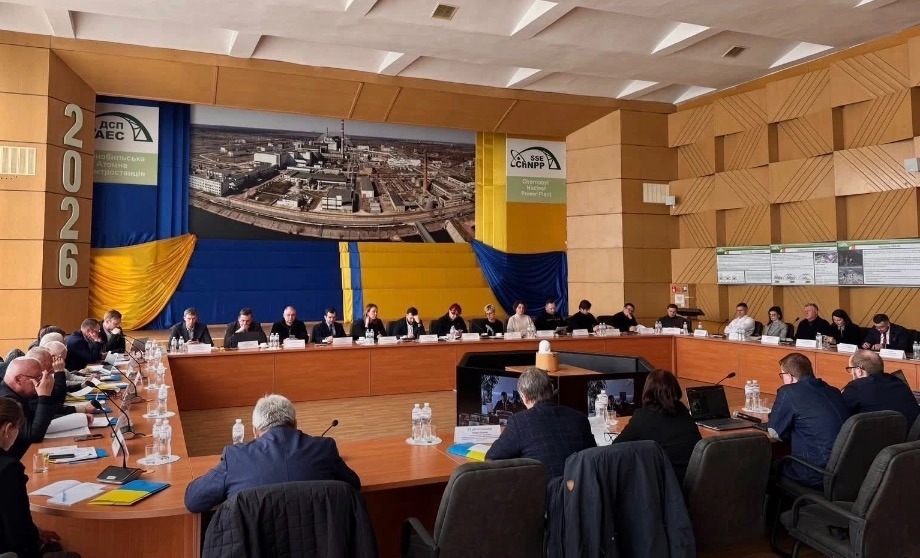
Our Vice President Alex Luna, recently took part in an on-site meeting organized by the Verkhovna Rada of Ukraine’s Committee on Social Policy and the Protection of Veterans’ Rights at the Chernobyl Exclusion Zone. The event honored the memory of the Chernobyl accident liquidators, whose heroic efforts continue to have a profound impact on the present, not just history. The meeting highlighted the critical importance of acknowledging and addressing the ongoing needs of those who risked their lives to prevent further disaster.
This candid conversation covers a range of topics—from geopolitical analysis and the transformation of Southeast Europe to the enduring symboThe session, chaired by Galina Tretyakova, brought together a diverse group of stakeholders, including fellow MPs from various committees, Minister of Social Policy Denys Ulyutin, Deputy Minister Inna Solodka, leaders from the Pension Fund, the Accounting Chamber, and the Fund for Persons with Disabilities. Representatives from the Supreme Court of Ukraine, Chernobyl plant management, and liquidators’ NGOs were also present. Together, they engaged in a comprehensive discussion on social protection for Chernobyl victims and current plant employees, as well as the legislative changes needed and urgent appeals for greater support.lic significance of Chernobyl, both within Ukraine and the broader global context.
Sofia: Alex Luna and Shigeru Yoshida Delivers Lecture at Sofia University on Nuclear Memory and Cultural Dialogue
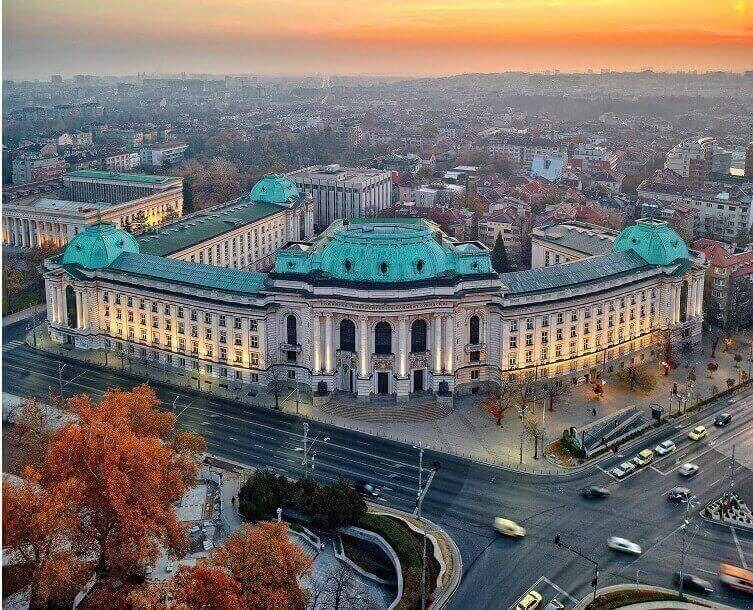
On April 29, Ukraine Foundation’s Vice President for Cultural Diplomacy, Alex Luna delivered a public lecture at Sofia University St. Kliment Ohridski, alongside Japanese collaborator Shigeru Yoshida, as part of the ongoing international Somnia Disaster cultural and research initiative.
This event brought together Ukrainian and Japanese perspectives on nuclear memory, environmental trauma, and the role of art and documentary practice in shaping collective understanding of historical catastrophes. The lecture was part of a broader series under the Somnia Disaster programme, which explores the parallel legacies of Chernobyl and Fukushima through photography, testimony, and interdisciplinary dialogue.
Our Vice President Alex Luna, who leads cultural diplomacy initiatives at the Ukraine Foundation, developed the Somnia Disaster project as a long-term platform connecting artists, researchers, and institutions across Europe and Asia. His work focuses on the intersection of memory studies and cultural resilience, using visual storytelling to delve into the human dimension of nuclear history.
Shigeru Yoshida, representing Japan’s contribution to the project, presented perspectives rooted in Japan’s post-Fukushima discourse. His collaboration with Alex Luna reflects a broader effort to create a shared cultural language between Europe and Japan, addressing issues of technological risk, remembrance, and recovery.
The lecture, hosted at Sofia University —Bulgaria’s leading academic institution— drew students, faculty, and professionals from fields such as international relations, cultural studies, and environmental humanities. The university has a long history of hosting international academic dialogue and cultural exchange initiatives.
The event was broadly covered by Bulgarian national media:

Lessons from Chernobyl and Fukushima: A Japanese and a Ukrainian Presented a Major Project in Sofia.

A Japanese and a Ukrainian Seek Lessons from Fukushima and Chernobyl
Read Alex Luna’s Comments on Recent Political Developments in Bulgaria and Their Potential Implications for Ukraine’s Security and European Trajectory with Telegraf
Our Vice President for Cultural Diplomacy, Alex Luna was recently cited in discussions about Bulgaria’s political landscape, specifically in relation to the formation of a new government and the regional concerns surrounding the rise of so-called “new Orbán” political dynamics in Europe. His remarks were included in an analytical piece examining whether political shifts in Sofia could impact the continuity of military support to Ukraine and the stability of existing bilateral and EU-linked frameworks.
Commenting on Bulgaria’s internal political debates and its relationship with Ukraine, Alex Luna noted:
“In fact, the only thing Rumen Radev opposed was providing military assistance to Ukraine, out of concern for escalation. Yet as a politician with military experience, he cannot fail to understand that Bulgaria’s GDP growth is significantly driven by the sale of military equipment to Ukraine.”
In the same context, Alex Luna cautioned against premature alarmism, stressing that labels such as “new Orbán” risk oversimplifying the complex domestic dynamics and EU-level constraints at play in Bulgaria. He argued that such labels fail to capture the nuanced realities of the political situation, particularly with respect to Bulgaria’s role in EU defense and security frameworks.
Taken together, his comments reflect a broader interpretative framework in which Ukraine’s resilience and security are closely tied to the coherence of European political decision-making. This perspective underscores the structural interdependence between Ukraine and its European partners, especially regarding defense production, sanctions policy, and long-term strategic alignment within the European Union
Washington: Ukraine Foundation leads the charge to foster constructive engagement over the Ukrainian Week in Washington, D.C.

This pivotal week brings together key stakeholders to amplify dialogue on Ukraine’s sovereignty, security, and democratic resilience. Our Vice President Alex Luna led direct engagements with select members of Congress including Sen. Jon Ossoff (D-GA) and Rep. Neal Dunn (R-FL). Along with our International Advisory Board member, Lt Col. (Ret.) Dr. Iryna Andrukh, he had a warm and thoughful exchange with H.E. Ambassador Olha Stefanishyna.
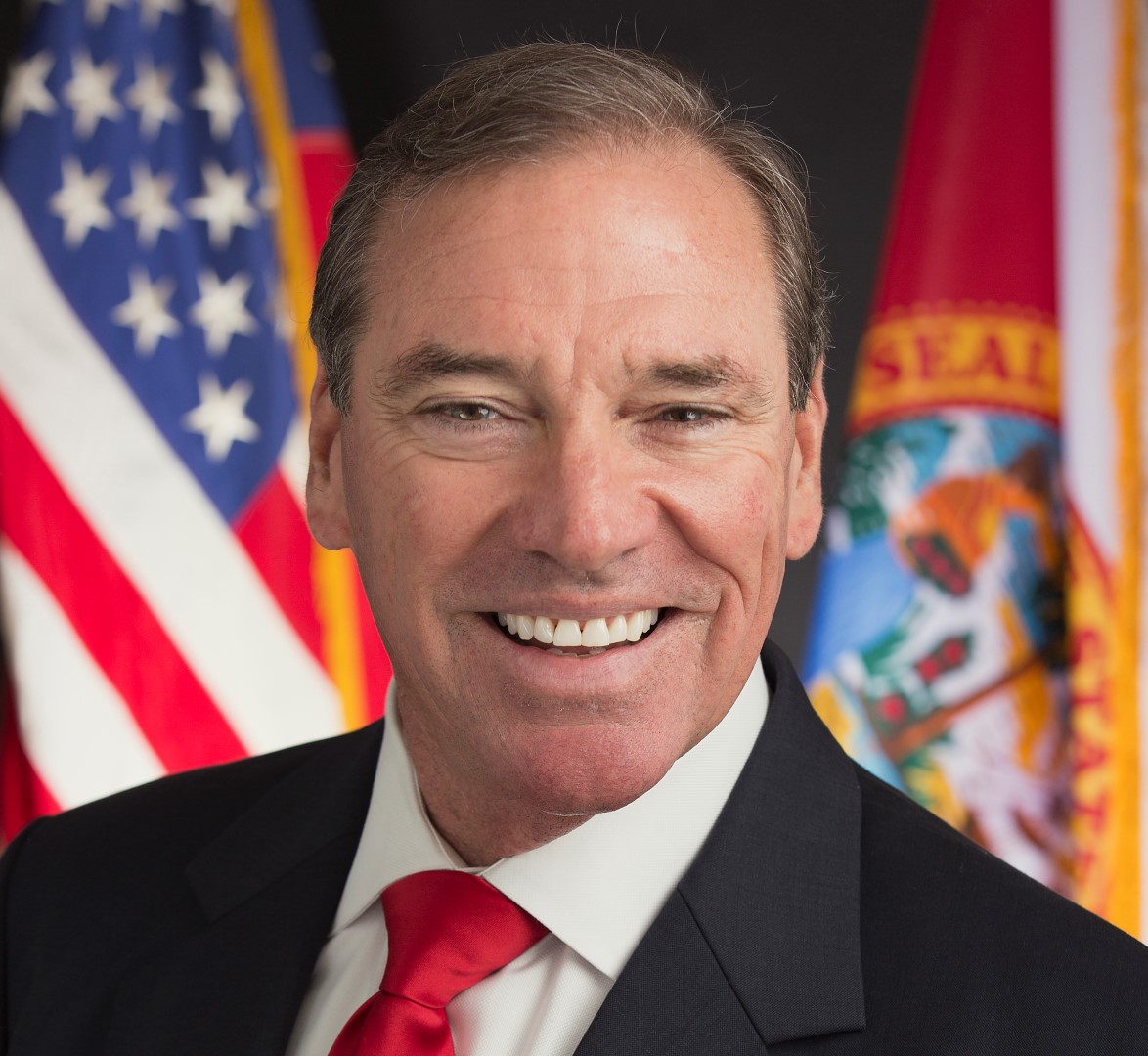
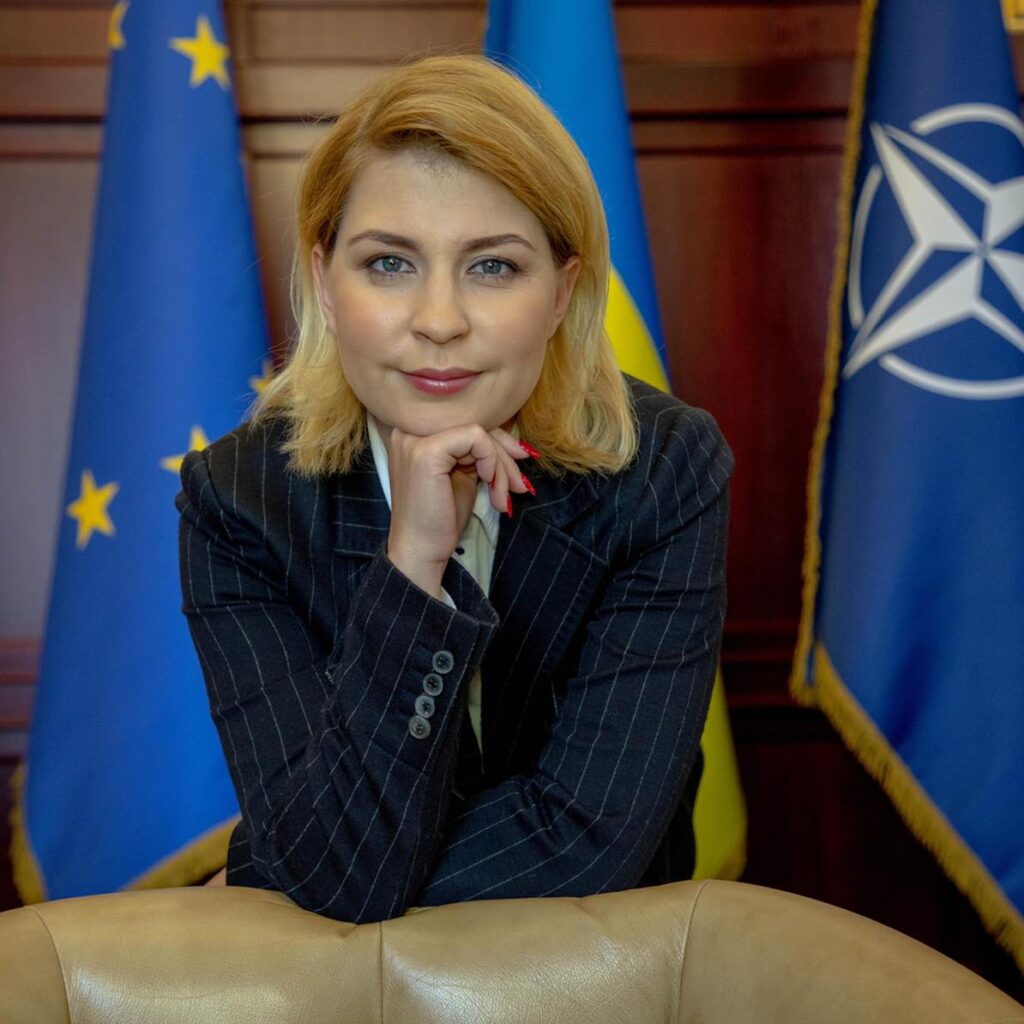
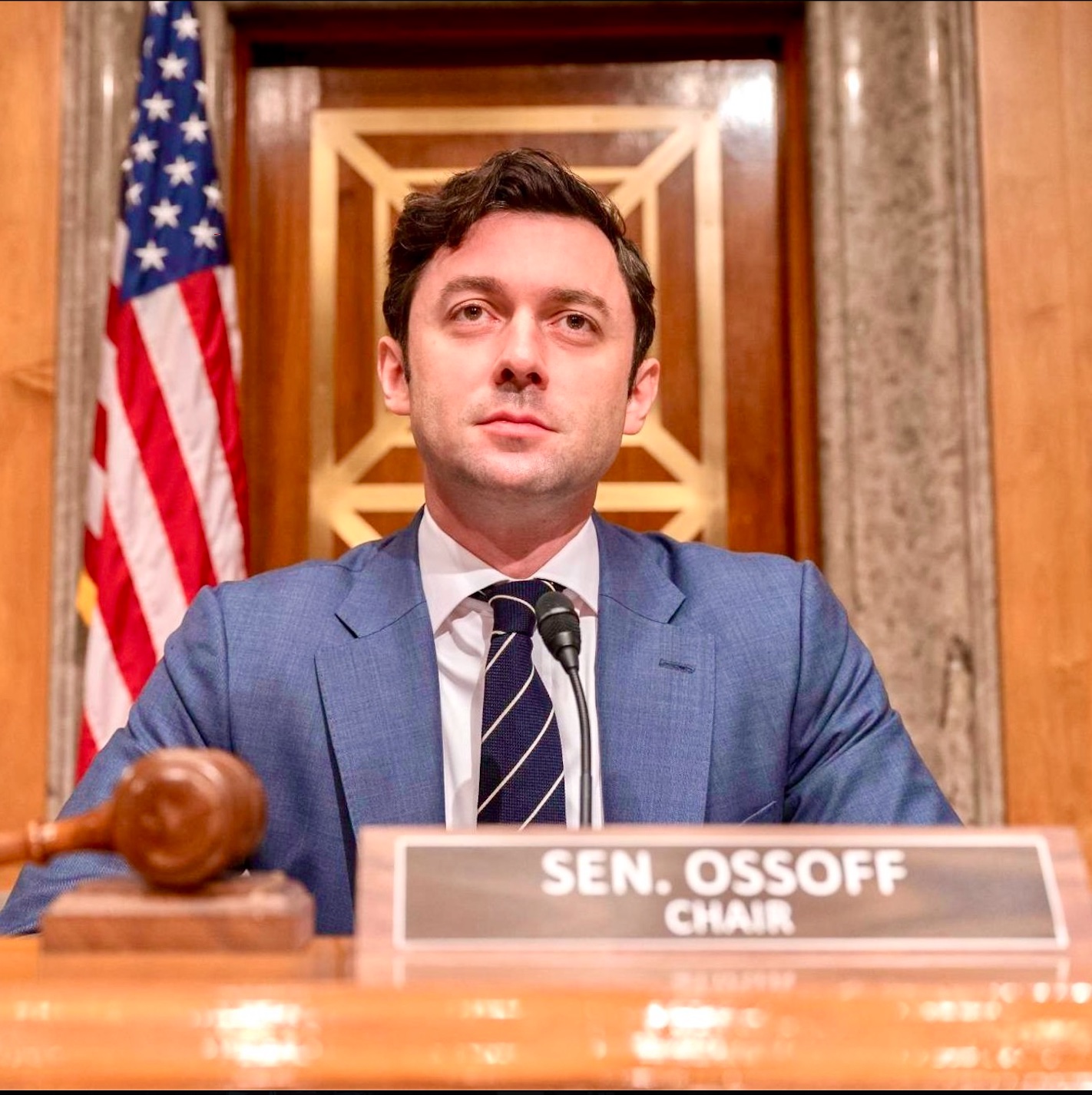
This collaborative approach aims to ensure Ukraine’s priorities are effectively communicated to policymakers and decision-makers, reinforcing the global partnership and support for Ukraine’s future.
Alex Luna, who also serves as Advisor to the Chief Negotiator and Ombudsman of Ukraine, Dmytro Lubinets, and to the Chairman and Acting Head of Ukraine’s Space Agency, Volodymyr Mikheyev, had an impactful meeting with representatives from the U.S. Department of Commerce, the Department of State, the Office of Space Commerce, and the National Oceanic and Atmospheric Administration (NOAA).
Along with Lt. Col. (Ret.) Iryna Andrukh and several members of Ukraine Foundation’s team, Alex Luna discussed a number of policy issues where the United States and Ukraine could strengthen their bilateral relationship.
The Foundation does not engage in lobbying activities per se and remains committed to a non-partisan approach that encourages productive, informed discussions, focused on advancing shared interests and strengthening international partnerships.
Tsarevets: Alex Luna and Ukraine Foundation Mark Five Years of War as Tsarevets Shines for Ukraine’s Resilience

On 24 February, Bulgaria’s national landmark, the medieval Fortress of Tsarevets, rose above Veliko Tarnovo in blue and yellow — a monumental tribute marking five years since Russia’s full-scale invasion of Ukraine at the request of our Vice President, Cultural Diplomacy, Alex Luna, who also serves as Advisor to the Ukrainian Parliament Commissioner for Human Rights with a mandate focused on Bulgaria.
At 19:00, the ancient citadel — one of Bulgaria’s most powerful national symbols — was transformed into a vast canvas of light. Initiated by the Municipality of Veliko Tarnovo at the request of Alex Luna, Vice President for Cultural Diplomacy at Ukraine Foundation and Advisor to the Ukrainian Parliament Commissioner for Human Rights with a long commitment to Bulgaria, the illumination stood as a public declaration of solidarity, resilience, and shared European values.
That evening, Tsarevets was no longer only a monument of the past — it became a beacon visible across the city skyline, commanding attention and embodying unity against aggression.
Reflecting on the symbolism of that evening, Alex Luna shared a compelling message:
“When the lights of history shine in the colours of Ukraine, it tells a story of freedom and hope — that the spirit of a nation endures, and that we are not alone in our pursuit of peace.”
His words resonated with many who gathered and were shared widely on social media, echoing sentiments of solidarity and mutual respect.
Local leaders also spoke at the event. The Mayor of Veliko Tarnovo remarked:
“By illuminating Tsarevets with the colours of the Ukrainian flag, we express our deep respect and steadfast support for the Ukrainian people — their resilience, their courage, and their pursuit of peaceful self-determination.”
This gesture was mirrored in other Bulgarian institutions that evening, with public buildings including the National Assembly and the Parliament of the Republic of Bulgaria also lit in Ukrainian blue and yellow.
“What Alex achieved at Tsarevets — transforming an entire fortress into a beacon of solidarity — carries the same emotional force as when, standing alone at the centre of Arena Lviv, he began the national anthem a cappella and an entire stadium rose to follow him in unison during the finale of the Ukrainian Cup Final — thousands of voices becoming one heartbeat for Ukraine.” — Louis L. Voiron
Bulgaria’s continued support for Ukraine is reflected in official statements and actions across political and civil society spheres. On the anniversary of the anniversary, the Ministry of Foreign Affairs reaffirmed Bulgaria’s commitment to Ukraine’s sovereignty, democratic future, and territorial integrity, noting the shared European values at the heart of that partnership.

For Ukraine Foundation, the illumination of Tsarevets was more than a visual spectacle. It demonstrated how cultural diplomacy can transform historic landmarks into powerful symbols of contemporary solidarity — ensuring that remembrance becomes action, and that solidarity becomes visible to the world.
London: Ukraine Foundation Advisory Board Member Dr. Maryna Vorotnyuk Featured on RUSI’s Global Security Briefing Podcast

Ukraine Foundation is pleased to highlight the participation of Advisory Board Member Maryna Vorotnyuk in a special bonus episode of Global Security Briefing, produced by the Royal United Services Institute (RUSI). The podcast, ranked number one in the Government category on Apple Podcasts, convenes leading security experts to assess the prospects for peace in Ukraine four years after Russia’s full-scale invasion.

Recorded during a RUSI event held on 24 February 2026, the discussion brings together Dr. Vorotnyuk alongside Neil Melvin, Matthew Savill, and Jonathan Eyal. The panel offers a rigorous examination of the strategic, political, and military factors shaping potential pathways toward peace, grounded in both battlefield realities and broader geopolitical dynamics.
In her intervention, Dr. Vorotnyuk emphasizes Ukraine’s security imperatives and the centrality of credible deterrence, international unity, and long-term commitments to European security. Her contribution underscores that any sustainable peace must be anchored in Ukraine’s sovereignty, accountability for aggression, and robust guarantees against renewed conflict.
Ukraine Foundation welcomes Dr. Vorotnyuk’s continued engagement with leading international policy platforms and commends RUSI for fostering informed, high-level debate on one of the defining security challenges of our time.
New York: Our International Advisory Board Member Ambassador Pierre Andrieu Publishes New Research with Asia Society on China’s Strategic Calculus in the Ukraine War and the Shaping of Post-Conflict Order
Ukraine Foundation proudly highlights groundbreaking research authored by our International Advisory Board Member, Ambassador Pierre Andrieu, on the strategic role of the People’s Republic of China in the ongoing conflict in Ukraine and its implications for future global order.
The study, “China’s Strategy in the Ukraine War and Shaping the Post-Conflict Order,” published by the Asia Society Policy Institute, offers a comprehensive assessment of Beijing’s geopolitical calculus amid one of the defining crises of the early 21st century.
Ambassador Andrieu’s research underscores that China’s approach to the Ukraine war cannot be understood simply through a binary lens of support or opposition. Instead, Beijing’s strategic positioning reflects a long-term vision aimed at preserving its interests, shaping the contours of post-war governance, and advancing its broader aspirations within the evolving international system. The paper argues that China currently has limited incentives to promote an immediate ceasefire, largely because its leverage over Russia remains constrained and because prolongation of the conflict can serve China’s geopolitical strategy.
Crucially, the research challenges dominant narratives about China’s potential role as a neutral mediator. It identifies structural limitations in China’s ability to influence Russian decision-making, even as it continues to frame itself rhetorically as a proponent of dialogue and diplomacy. This analytical clarity brings into focus Beijing’s nuanced balance between maintaining strategic ties with Moscow and avoiding actions that would provoke significant diplomatic or economic backlash from Western partners.
The paper extends its inquiry beyond immediate wartime dynamics to explore how China envisions its role in shaping a post-conflict order. It contends that Beijing seeks to leverage the war’s geopolitical disruption to recalibrate global influence, particularly by positioning itself as an indispensable stakeholder in future peacebuilding and reconstruction efforts. This ambition reflects China’s broader strategic aim to redefine global governance norms in ways that align with its political and economic interests.
Ambassador Andrieu’s contribution to the field builds on his established scholarship on great-power politics, international security, and the strategic interplay between authoritarian and democratic systems in the contemporary geopolitical landscape. His analysis offers policymakers, civil society, and academic communities a vital framework for understanding how major powers navigate complex conflicts and how those choices will influence the architecture of global peace and stability in the decades ahead.
Ukraine Foundation commends this research for its depth, analytical rigor, and strategic foresight. We believe this work will prove indispensable for stakeholders engaged in navigating the multifaceted challenges of the Ukraine war and preparing for the political, economic, and security imperatives of the post-conflict era.
Washington: How Could the War in Ukraine End? Our New Senior Fellow Professor Edward Salo Explores Its Strategic Implications for the Global Balance of Power

In a recent analysis published in The National Interest, Ukraine Foundation’s Senior Fellow Professor Edward Salo examines one of the most pressing geopolitical questions of our time: how the war between Ukraine and Russia might ultimately end—and what that outcome could mean for the global balance of power.

Rather than focusing solely on military developments on the battlefield, Professor Salo places the conflict within a broader strategic framework. Wars of this scale, he argues, rarely conclude without reshaping international politics. The trajectory of the conflict, and the way it eventually ends, may influence not only the security of Eastern Europe but also the structure of the international system itself.
The Risk of a Prolonged Stalemate
A central possibility explored in Professor Salo’s analysis is the emergence of a prolonged stalemate. Despite intense fighting and significant losses on both sides, neither Ukraine nor Russia may achieve a decisive military breakthrough capable of bringing the conflict to a clear conclusion. Instead, the war could evolve into a grinding confrontation in which front lines stabilize while political and economic pressures accumulate.
Such an outcome would have far-reaching consequences. Sustaining a long war requires continuous political support, military resources, and economic resilience. While Ukraine has demonstrated extraordinary determination in defending its sovereignty, its ability to sustain military operations depends heavily on continued assistance from Western partners.
Over time, however, governments in Western democracies may face growing domestic pressures. Elections, shifting political priorities, and public fatigue with prolonged conflict could gradually weaken the level of support provided to Ukraine. If political consensus in Western capitals erodes, the scale and consistency of military and financial assistance could decline, potentially altering the strategic balance of the conflict.
Professor Salo notes that this dynamic is not unusual in extended wars. Democracies must constantly reconcile foreign policy commitments with domestic political realities, and prolonged conflicts often test the durability of that balance.
China’s Potential Diplomatic Role
Within this context, Professor Salo highlights the possibility that China could seek to expand its global influence by positioning itself as a diplomatic mediator in the conflict.
Rather than participating militarily, China could leverage diplomacy to facilitate negotiations between Kyiv and Moscow if the war reaches a point where both sides are seeking a way to end hostilities. By hosting or sponsoring peace talks, Beijing could present itself as a responsible global power capable of shaping major international outcomes.
Such a diplomatic role would carry important symbolic and strategic benefits. Acting as a broker of negotiations between Ukraine and Russia could enhance China’s international standing and demonstrate its capacity to influence the resolution of one of the most consequential conflicts of the twenty-first century.
At the same time, China’s involvement would reflect broader geopolitical ambitions. By engaging in conflict mediation, Beijing could strengthen its narrative that global leadership is becoming more distributed and that international diplomacy should not be dominated exclusively by Western institutions or alliances.
Toward a More Multipolar World
Salo suggests that the long-term outcome of the war could accelerate the emergence of a more multipolar international system. If Western unity weakens over time while China expands its diplomatic influence, the global balance of power could gradually shift away from the post–Cold War model of Western predominance.
In this scenario, China’s role in facilitating or shaping a negotiated settlement could symbolize the arrival of a more complex geopolitical environment in which several major powers exert influence over international affairs. The conflict in Ukraine would thus become not only a regional struggle but also a turning point in the evolution of global power structures.
For Russia, the consequences of the war are also likely to be profound. Years of intense combat and international sanctions have already placed heavy pressure on its economy and military capabilities. Regardless of how the war ends, Russia may emerge from the conflict weakened, facing the challenge of rebuilding its forces and redefining its position in the international system.
Implications for Ukraine and the International Order
For Ukraine, the stakes remain existential. Any negotiated settlement must ensure that the country’s sovereignty and long-term security are preserved. A cease-fire that merely freezes the conflict without addressing underlying security concerns could leave Ukraine vulnerable to renewed aggression in the future.
More broadly, the outcome of the war will influence the credibility of international norms regarding territorial integrity and the prohibition of aggressive war. The way the conflict concludes will send signals to other states about the effectiveness of collective responses to violations of sovereignty.
A Conflict with Global Consequences
Professor Salo’s analysis underscores that the war in Ukraine cannot be understood solely through the lens of regional security. Its outcome will shape the broader geopolitical landscape for years to come.
Whether the conflict ends through military developments on the battlefield or through diplomatic negotiations, the consequences will extend far beyond Ukraine’s borders. The war is already redefining alliances, testing the resilience of democratic support for long-term security commitments, and opening new avenues for emerging powers to influence international diplomacy.
As Ukraine continues its struggle to defend its independence, the strategic decisions made by governments around the world will play a crucial role in determining not only how the war ends, but also what kind of international order emerges in its aftermath.
Kyiv: Ukraine Foundation Fellows Publish Four New Articles with the Peer-Reviewed Ukrainian Policymaker Journal
On February 2026, four leaders and scholars of Ukraine Foundation — our President and Vice Chairman Louis L. Voiron, our Scientific Committee Prof. Valentin Yakushik, our Senior Fellow Christodoulos Ioannou and our Non-Resident Research Fellow Serhii Muravitskyi — published important new research in the latest volume of the Ukrainian Policymaker.
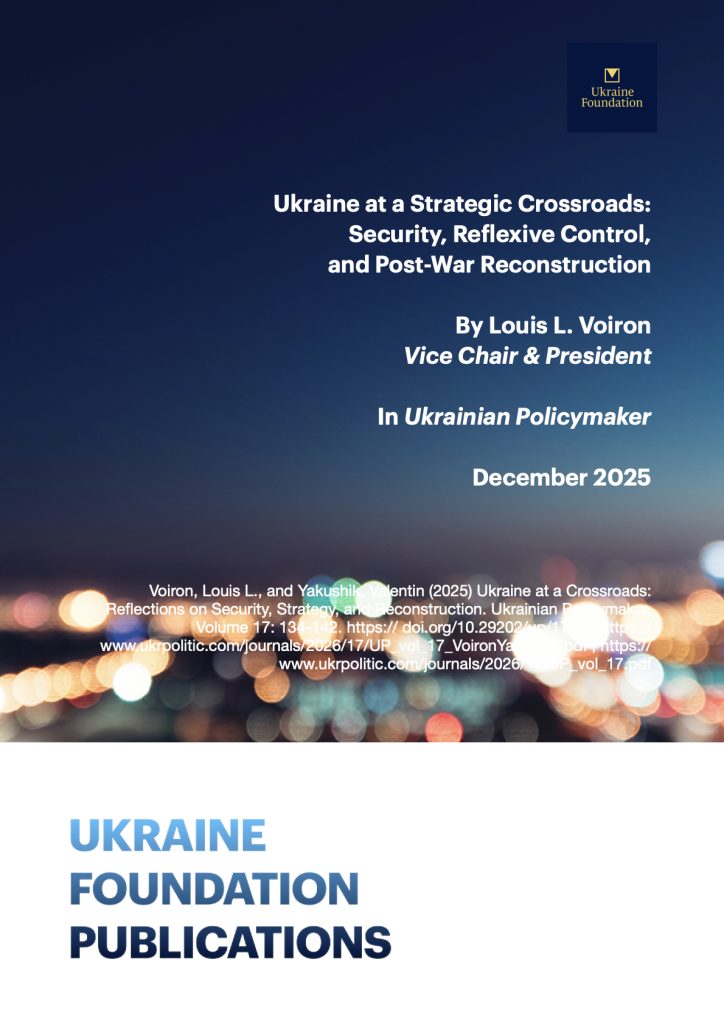
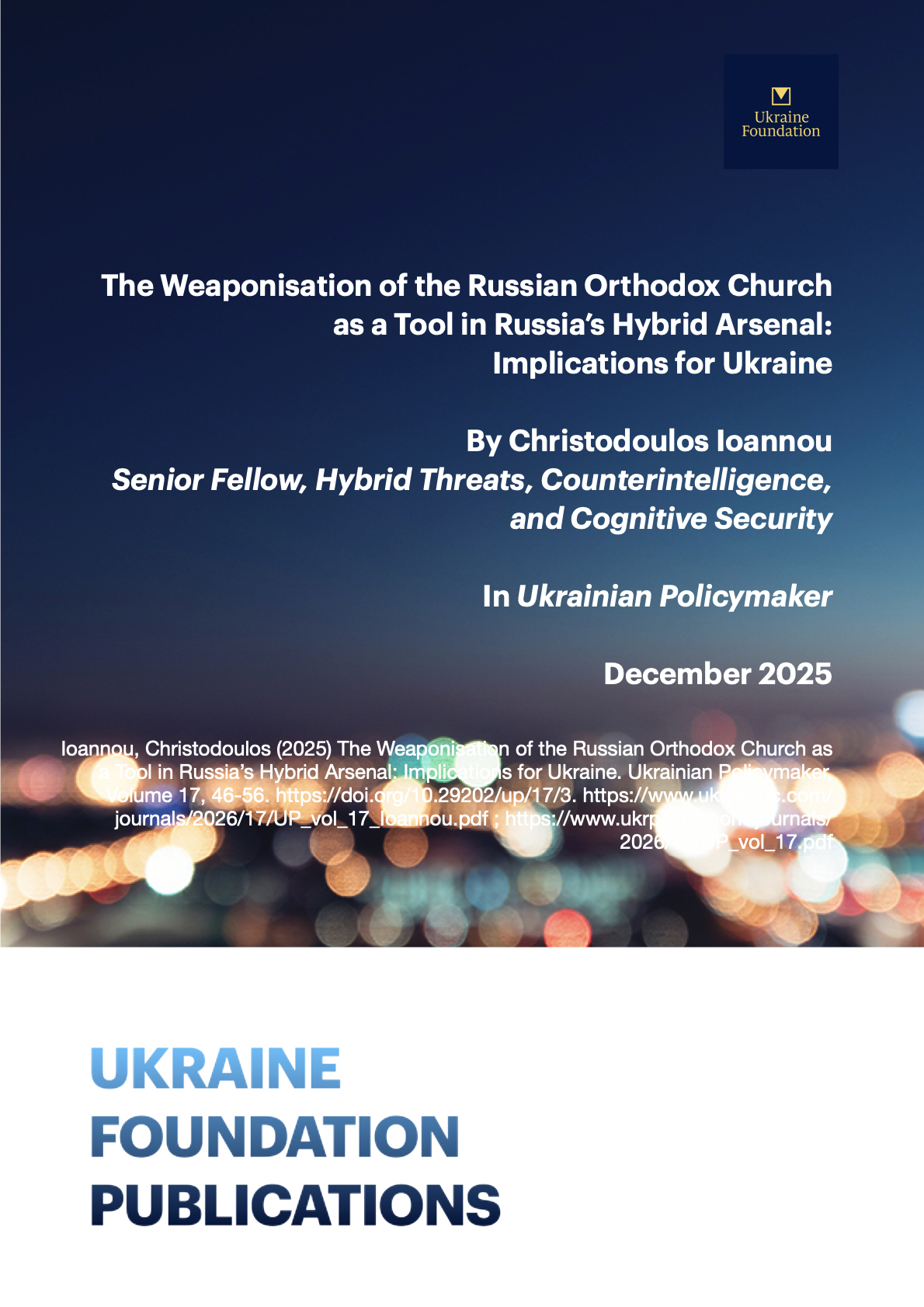
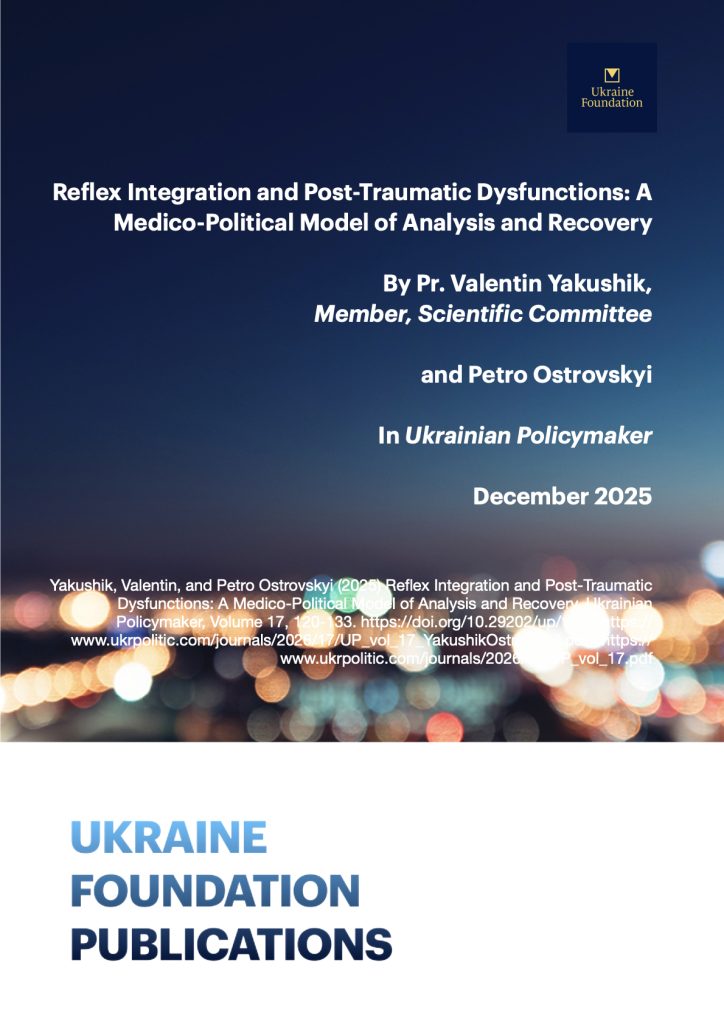
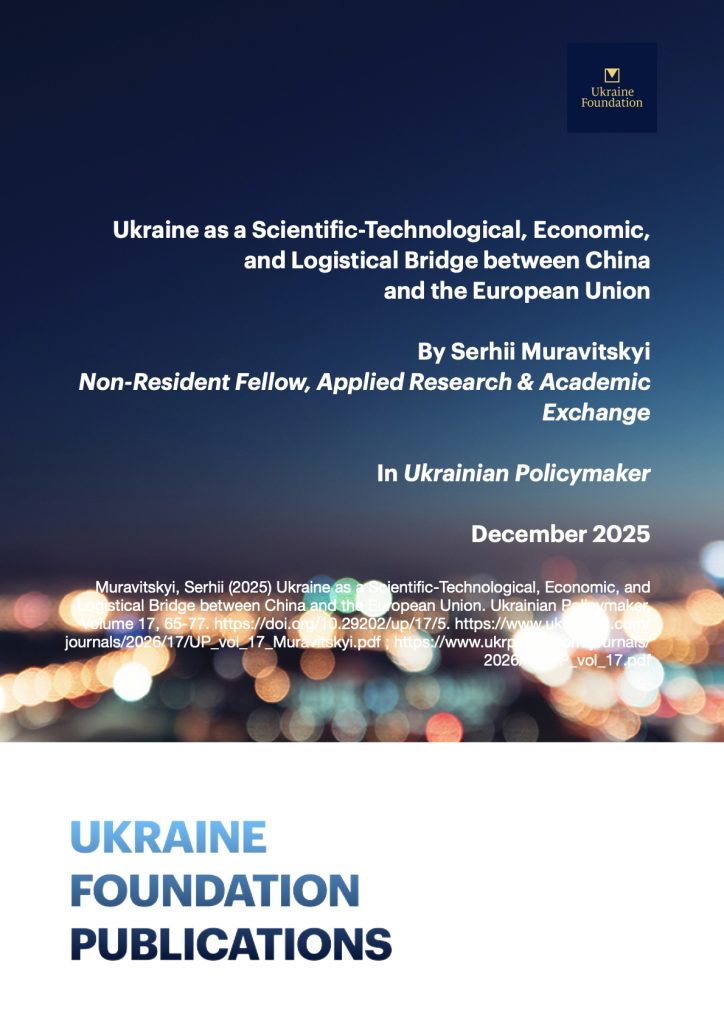
Their contributions, produced through years of policy experience, academic rigour, and geopolitical expertise, offer timely insights into Ukraine’s evolving geopolitical landscape and the global implications of the country’s struggle for security and sovereignty. This recognition by one of Ukraine’s most respected peer-reviewed publications underscores the quality of research undertaken by the Foundation and our shared commitment to advancing knowledge, strengthening institutions, and shaping a more resilient future for Ukraine.
Click on each article’s cover to read the full text.
Washington: Discover Ukraine Foundation’s Senior Fellow, Dr. Nicholas Krohley’s Foreign Policy’s Article on Civilian Resistance in Ukraine

In this landmark article, Dr. Nicholas Krohley, our Senior Fellow for Irregular Warfare and the Human Dimension of Conflict, explored the evolving nature of civilian resistance in the face of Russia’s ongoing war against Ukraine. His research offers deep insights into how everyday Ukrainians, including women and decentralized networks, are shaping resilience and resistance in occupied territories.
In “Ukrainian Civilians Are Pioneering the Art of Resistance,” he examines how nonviolent and grassroots movements have adapted to the brutal conditions of occupation, asserting agency in ways that complement Ukraine’s broader defense strategies. His analysis highlights the emergence of novel civil society responses —from digital organization to symbolic and material acts of dissent— underscoring the central role of societal initiative in sustaining Ukraine’s national will and undermining Russian control.
Drawing on detailed examples and narratives from occupied regions, Dr. Krohley’s piece sheds light on lesser-known facets of resistance that have significant implications for understanding modern conflict dynamics, the role of women in resistance movements, and the potential for civilian networks to influence both strategic outcomes and international perceptions of the war.
As the war enters its fourth year, his scholarship fosters a richer appreciation of the complex interplay between armed struggle and civil resistance.
Ukraine Foundation celebrates his important contribution to global discourse on conflict, resilience, and the power of civic agency in times of crisis, and encourages our community to read the full article on Foreign Policy and engage with the ideas it presents as part of our ongoing efforts to deepen understanding of Ukraine’s struggle and the diverse forms of resistance that sustain it.
Washington: Listen to our International Advisory Board Member John Pennell in the latest episode of The Trident, a podcast by the U.S. Naval War College’s National Warfare Center (NWC) and the Center for Irregular Warfare and Armed Groups (CIWAG).
In Season 3, Episode 2, titled Assessing Russia’s Actions in Ukraine and Syria, 2014-2022: Implications for the Changing Character of War, Dr. John Pennell, author of the book on the same subject, joins co-host Dr. Heidi Lane and host Dave Brown for an in-depth discussion.
The episode explores Russia’s strategic approach to warfare, focusing on its combination of political warfare, military tactics, influence operations, and strategic objectives across both Ukraine and Syria from 2014 to 2022.
Dr. Pennell’s book delves into the evolving nature of Russia’s conflict engagements and their broader implications for the future of warfare. As they analyze these two significant case studies, the conversation sheds light on how state actors are adapting their strategies in the face of modern challenges. This episode, produced by the David A. Brown Center on Irregular Warfare and Armed Groups, offers critical insights into the shifting landscape of irregular warfare and its global impact. Tune in to gain valuable perspectives from leading experts in the field.
Kyiv: Ukraine Foundation’s Vice President Alex Luna Discusses Ukraine’s Path to Nuclear Innovation with The Hon. Anatoly Kostyukh, Chairman of the Subcommittee on Nuclear Energy and Nuclear Safety of Verkhovna Rada, Ukraine’s National Parliament

In a landmark interview conducted by Alex Luna on censor.net with Anatoly Kostyukh, Chairman of the Subcommittee on Nuclear Energy and Nuclear Safety of Ukraine’s Verkhovna Rada, Ukraine’s evolving strategy on small modular reactors (SMRs) was brought into sharp focus. As the country accelerates its transition toward resilient and innovative energy systems, SMRs have emerged as a key pillar of strategic energy policy, blending security, sustainability, and technological progress.
Anatoly Kostyukh outlines Ukraine’s realistic and cautious approach to the future deployment of small modular reactors (SMRs). He stresses that SMRs are viewed not as an immediate solution, but as a strategic medium- to long-term component of Ukraine’s energy system.
Kostyukh explains that while SMRs offer clear advantages — enhanced safety, flexibility of placement, and potential suitability for replacing coal-fired generation — the technology is not yet commercially mature, either in Ukraine or globally. As a result, any practical implementation will depend on international experience, proven designs, and the successful completion of licensing and regulatory processes.
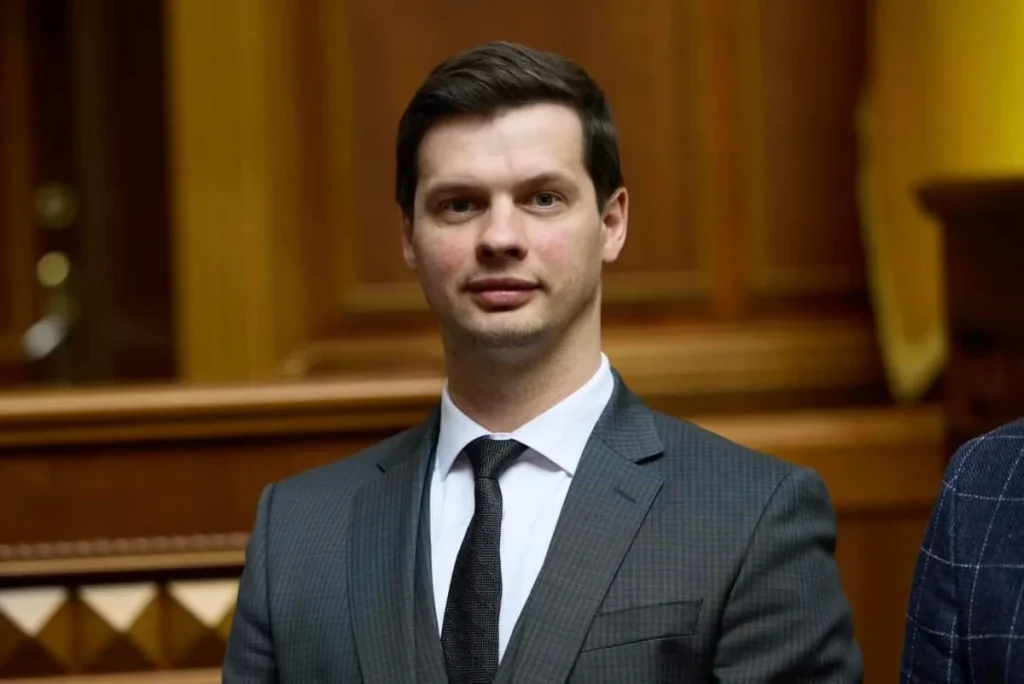
A central theme of the interview is nuclear safety and regulation. Anatoly Kostyukh underscores that Ukraine will not compromise on safety standards and that SMRs must meet the same rigorous oversight requirements as conventional nuclear facilities. He highlights the importance of adapting Ukraine’s legal framework to new technologies while maintaining full alignment with international nuclear safety norms.
The interview also places SMRs within the broader context of post-war reconstruction and energy security. Kostyukh notes that Ukraine is exploring how future nuclear solutions could support industrial recovery, stabilize regional power supply, and contribute to decarbonization, particularly as aging thermal power plants are phased out.
Overall, the conversation presents SMRs as a promising but still emerging technology, one that requires careful planning, strong regulation, and international cooperation. Ukraine, Kostyukh concludes, is preparing the groundwork today to ensure that when SMRs are ready for deployment, the country will be institutionally, legally, and strategically prepared to adopt them responsibly.
Kherson: Ukraine Foundation Announces New Scholarly Article by The Hon.Viacheslav Kredisov on Strategic Management in Times of War with the Kherson Economic and Legal Institute
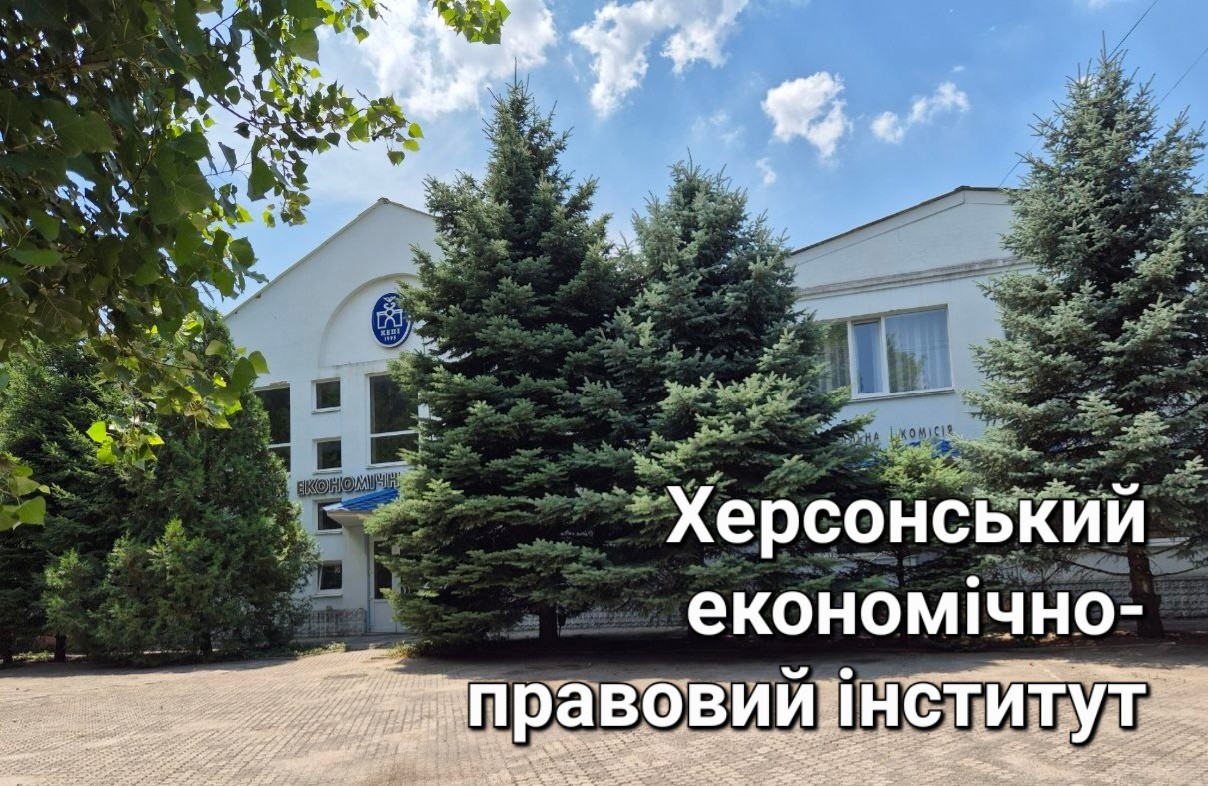
Ukraine Foundation is pleased to announce the publication of a new peer-reviewed scientific article co-authored by Viacheslav Kredisov, Ukraine Foundation’s Distinguished Senior Fellow, and Nova Formatsia’s President, together with Anastasia Olishevska and Vasyl Mykolaichuk of the Kherson Economic and Legal Institute. The article, titled “Crisis and War as Factors of Strategic Management Transformation: Ukraine in a Global Context,” is now available to the academic and policy community.

Set against the backdrop of global instability and Russia’s full-scale war against Ukraine, the article offers a rigorous examination of how crisis and war reshape the very logic of strategic management. The authors argue that in wartime conditions crisis ceases to be a temporary disruption and instead becomes a permanent mode of organizational functioning. As a result, conventional strategic planning models lose much of their predictive value, giving way to adaptive, dynamic approaches centered on resilience, stability, and the rapid recalibration of management decisions.
The study is grounded in empirical evidence drawn from national business surveys and key indicators of business activity, including the Ukrainian Business Index (UBI) and the Index of Business Activity Expectations (IOD). The authors identify a striking divergence between subdued current business performance and increasingly adaptive expectations among enterprises, pointing to a deep internal transformation of strategic thinking under conditions of extreme uncertainty. Particular attention is paid to sectoral differences, which generate distinct trajectories of strategic adaptation across the economy.
A core contribution of the article is the development of a multilevel conceptual model that integrates macro-, meso-, and micro-level management perspectives. This framework explains how crisis and military factors drive the transformation of management logic and strategic tools, offering both theoretical insight and practical guidance. The findings have direct relevance for organizational leaders and policymakers seeking to design adaptive strategies that enhance strategic stability during wartime and support sustainable post-war recovery.
Viacheslav Kredisov is Doctor of Economics (PhD in Economics) and a leading Ukrainian scholar and practitioner in the field of strategic management. His contribution to this research reflects Ukraine Foundation’s commitment to advancing evidence-based analysis that informs leadership, resilience, and long-term reconstruction in Ukraine.
Ukraine Foundation encourages readers to engage with the research and share their reflections on this highly timely and relevant contribution.
Berlin: Ukraine Foundation Co-Organized Major Policy Conference in Berlin in Partnership with KIU / European University Viadrina, Freie Universität Berlin, and the Kyiv School of Economics
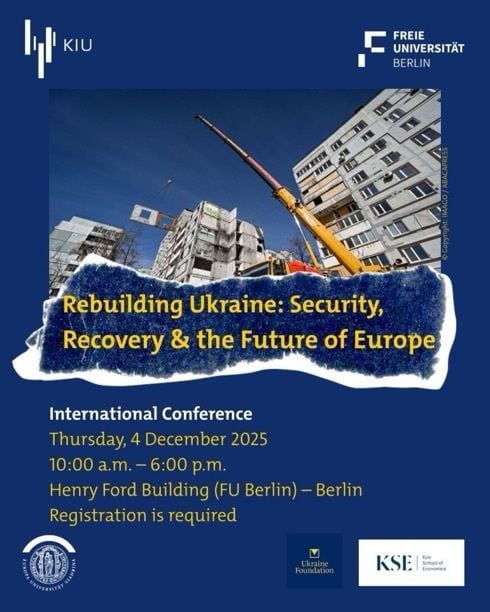
Ukraine Foundation led the charge in a major policy event “Rebuilding Ukraine: Security, Recovery & the Future of Europe”, co-organized with KIU / European University Viadrina, Freie Universität Berlin, and the Kyiv School of Economics, with the support of the German Academic Exchange Service (DAAD) and funding from Germany’s Federal Foreign Office (AA).


This international conference took place under the premises of the Free University Berlin, on 4 December 2025, from 10:00 a.m. through 6:00 p.m.
Rebuilding Ukraine: Security, Recovery & the Future of Europe brought together researchers, policymakers, and practitioners to reflect on post-war reconstruction, security challenges, governance, humanitarian recovery, and Ukraine’s role in the future of Europe.
Ukraine Foundation sent to Berlin a total of 7 keynote speakers, panelists and roundtable participants drawn from our leadership, International Advisory Board and Fellowship group.
Our European Advisory Board member Dr. Maryna Vorotnyuk opened the floor by offering her sharp analysis of Black Sea security and Russian-Ukrainian relations, underscoring the centrality of maritime security, alliance cohesion, and deterrence for Ukraine’s resilience.
Lt Col. Dr. Iryna Andrukh, our International Advisory Board member, brought an operational lens to discussions on defense and national resilience. Her experience in evacuation missions, psychological operations, and building Ukraine’s first military mental-health department added vital real-world insight.
Her fellow board member Julie A. Rushin contributed expert commentary on governance and digital transformation. Drawing on decades of U.S. federal leadership, she highlighted how modernised institutions and technology are essential to ensuring accountability and investor confidence in Ukraine’s recovery.
Our Chairman Dr. John M. (Jack) Albertine delivered the keynote on “Business in Conflict & Post-Conflict,” emphasizing the role of private investment, regulatory stability, and coordinated international support in driving Ukraine’s economic revival.
As moderator and academic co-organizer, our Distinguished Senior Fellow Prof. Theocharis Grigoriadis helped shape the day’s interdisciplinary debate. He drew connections between reconstruction, regional political economy, and the long-term reforms needed to secure sustainable growth.
International Advisory Board member Ambassador Pierre Andrieu added a seasoned diplomatic perspective at the closing roundtable. His analysis of Russia’s posture, China–Russia dynamics, and the broader geopolitical environment illuminated the strategic context in which Ukraine’s reconstruction will unfold.
Finally, our Vice Chairman Louis L. Voiron outlined the strategic choices facing Ukraine and its partners as the war enters a decisive phase, linking the day’s discussions to long-term leadership and alliance resilience.
The conference also featured panel discussions and a roundtable with representatives from the German Federal Parliament, as well as international experts working on Ukraine, European security, and post-conflict transformation.
Ukraine Foundation extends its deepest gratitude to Germany’s Federal Foreign Office (AA) and to DAAD – the German Academic Exchange Service for their essential support in making this conference possible. Together we continue working toward a secure, resilient, and prosperous Ukraine.
Oxford: Exploring Constitutional Governance: Ukraine Foundation’s Senior Fellow Dr. Vasyl Hostyuk on landmark jurisprudence Khilko v Zelenskyi

Our Senior Fellow, Dr. Vasyl Hostyuk, brings deep expertise in Ukrainian and international law to some of the country’s most consequential legal developments. In his recent analysis of the Khilko v Zelenskyi case, Vasyl examines the first-instance judgment that navigates complex constitutional questions within Ukraine’s legal framework.
Published in the International Law in Domestic Courts (ILDC) database by Oxford University Press, this case commentary showcases Dr. Hostyuk’s ability to connect Ukraine’s domestic legal processes with broader principles of international law. His research highlights how constitutional disputes in Ukraine reflect the ongoing evolution of governance, rule of law, and the checks and balances that are central to a democratic state.
By unpacking the Khilko decision, Dr. Hostyuk provides both scholars and policymakers with critical insights into the interaction of national law, executive authority, and judicial review —an area increasingly relevant as Ukraine continues to strengthen its democratic institutions and legal structures.
New York: Read the latest publication with Asia Society of our International Advisory Board member, Ambassador Pierre Andrieu on China-Russia Relations since the Start of the War in Ukraine.
In his August 20, 2025 Asia Society report “China-Russia Relations Since the Start of the War in Ukraine,” our International Advisory Board Member, Ambassador Pierre Andrieu, Senior Fellow at Asia Society Policy Institute’s Center for China Analysis, scrutinizes how Russia’s invasion of Ukraine has accelerated Sino-Russian cooperation -particularly through the rapid deepening of trade, sanctions circumvention, and the poignant asymmetry of the relationship despite the “no-limits” rhetoric that preceded the conflict.
China-Russia Relations Since the Start of the War in Ukraine – August 20, 2026
Kyiv: Watch our Vice President, Dr. Mariya Heletiy, interviewed on Suspilne about the Abu Dhabi negotiation processs
In her latest interview with Suspilne, Ukraine’s national broadcaster, our Vice President, Policy, Dr Mariya Heletiy assesses the Abu Dhabi peace talks between Ukrainian, Russian, and U.S. representatives, which, while characterized as constructive, underscored the persistent structural gaps between the parties. Incremental progress was limited to technical matters, with fundamental disagreements—most notably over occupied territories and long-term security guarantees—remaining firmly entrenched. Ukrainian officials have indicated that President Volodymyr Zelenskyy would consider a direct meeting with President Vladimir Putin only if substantive conditions are established in advance, reflecting Kyiv’s view that high-level engagement must be the consequence, not the catalyst, of meaningful negotiation progress as hostilities continue.
Warsaw: Watch our International Advisory Board Member, Dr. Maryna Vorotniuk’s Insights on European Security at a Turning Point
In a recent interview on Slawa TV, our International Advisory Board member and esteemed expert on Black Sea security, Dr. Maryna Vorotniuk, offered a timely and incisive analysis of the shifting dynamics in European and global security. Dr. Vorotniuk, whose work spans regional foreign policy, Russian-Ukrainian relations, and broader international security issues, underscored the profound transformations underway as traditional security architectures face mounting strain in a rapidly changing geopolitical environment.
During the conversation, Dr. Vorotniuk highlighted how longstanding assumptions about transatlantic security cooperation are being tested. Drawing on current developments, she outlined that European security structures are under pressure as the United States recalibrates its strategic focus, creating both challenges and openings for European partners and Ukraine alike. While Washington has historically anchored collective defense in Europe, recent shifts have contributed to a sense that the continent must increasingly articulate and assume its own strategic responsibilities in the face of Russian aggression and broader global competition. 
Dr. Vorotniuk emphasized that this evolving landscape is not simply a matter of military posture, but also of political will and strategic coherence. She stressed the critical importance of strengthened European unity, deeper integration of Ukraine into Euro-Atlantic frameworks, and sustained cooperation among democratic partners to deter revisionist forces and uphold the rules-based order. Her assessment tied regional security outcomes directly to the future of international norms and the preservation of democratic values across the Euro-Atlantic space. 
This interview reflects Dr. Vorotniuk’s deep engagement with pivotal security debates and underscores how Ukraine Foundation’s network of experts contributes rigorous analysis to global discourse at a moment of heightened strategic uncertainty. 
We Are Team UA: Voices of Experience Informing Ukraine Future
Collectively, Board members have served in C-level positions across NYSE and NASDAQ companies, within the United Nations system, NATO and allied defence structures, the United States Government, and European governments and parliaments, with experience spanning UN Security Council deliberations, NATO headquarters in Brussels, senior military command, ambassadorial service, ministerial leadership, and multilateral negotiations.
The International Advisory Board and the European Advisory Board of Ukraine Foundation comprise a select group of senior leaders with long-standing experience at the highest levels of global governance. Drawn from Europe, North America, and the transatlantic community, they provide strategic counsel grounded in direct engagement with the institutions that shape international security, diplomacy, and policy.
You can learn more about each of them by clicking on the pictures below.

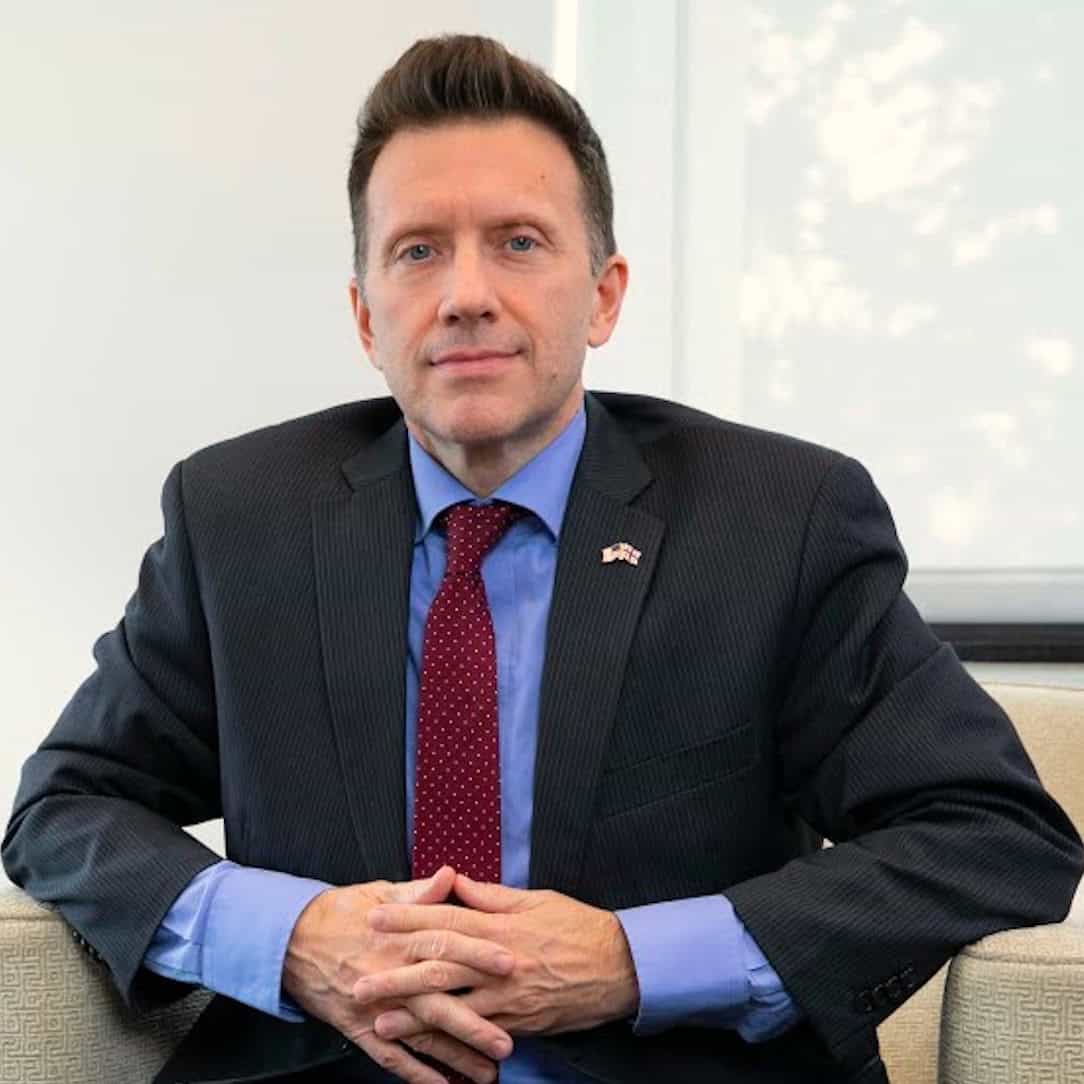
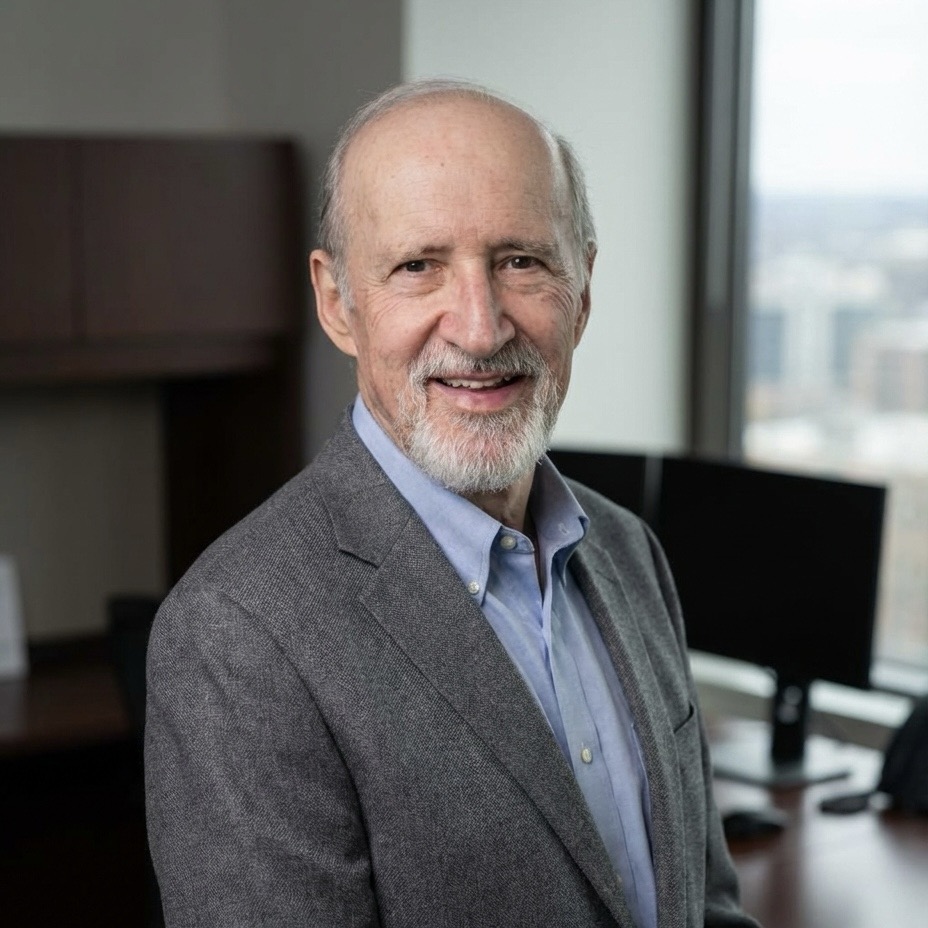

Their judgment, informed by decades of practitioner-level responsibility, strengthens the Foundation’s governance and guides its long-term impact in support of a free, secure, and prosperous Ukraine.
Paris: Ambassador Andrieu Gives Landmark Interview to Le Monde

Drawing on decades of diplomatic experience and extensive scholarly work, Ambassador Andrieu explains that although Moscow and Beijing proclaim their ambition to build a new, “extra-Western” world order, their strategic partnership is far from equal. China’s rise as a consolidated economic and technological power, combined with Russia’s growing international isolation and dependence, has created what he calls a decisive asymmetry: for the first time in modern history, Russia has become the junior partner—if not the vassal—of China.
He situates this transformation in its historical context. While the 1950s alliance placed a then-weakened China in ideological and material dependence on the Soviet Union, Beijing never accepted the constraints of that unequal relationship. Today, the dynamic has been reversed. China is projecting long-term strategy and global ambition; Russia, weakened by its war of aggression against Ukraine and cut off from Western markets, is increasingly reliant on Chinese energy purchases, industrial goods, and political cover.
This does not amount to a formal alliance. As Ambassador Andrieu stresses, the Russia–China partnership remains pragmatic, transactional, and marked by lingering distrust. Their visions of world order differ, and divergences persist beneath the narrative of “friendship without limits.” Yet the relationship is sufficiently robust for Beijing to extract structural advantages that will shape Eurasian geopolitics for decades.
For Ukraine and its partners, this analysis is critical. It underscores that Russia’s strategic room for manoeuvre is narrowing, that its dependence on China is deepening, and that Eurasia’s geopolitical future will increasingly be defined by Beijing’s calculations rather than Moscow’s ambitions. Understanding this imbalance is essential for designing long-term strategies that strengthen European security and support Ukraine’s sovereignty.
Ambassador Andrieu’s expertise -developed as Senior Fellow on China–Russia relations at the Asia Society and through his academic work, including Géopolitique des relations russo-chinoises (PUF, 2023)- is an invaluable contribution to the Foundation’s mission. At a moment when global power dynamics are being reshaped, his insights help illuminate the constraints, risks, and opportunities that lie ahead.
For China, Russia has become its junior partner or even its vassal – August 20, 2026
Kyiv: Watch our Distinguished Senior Fellow, The Hon. Viacheslav Kredisov’s latest interview on Suspilne
Viacheslav Kredisov, Ukraine Foundation’s Distinguished Senior Fellow and Nova Formatsia’s founding Chairman, recently appeared on Suspilne TV to discuss the Government of Ukraine’s decision to approve the implementation procedure for the Medical Guarantees Program for 2026, for which more than UAH 191.6 billion has been allocated in the state budget.
During the discussion, he examined the program’s key updates, its implications for access to affordable medicines, the practical steps for patients, and the broader effectiveness of public policy mechanisms in ensuring that medical guarantees reach Ukrainian citizens.
Miami: Dr. Iryna Andrukh Moderates Key Panel at the 28th Global Family Office Investment Summit
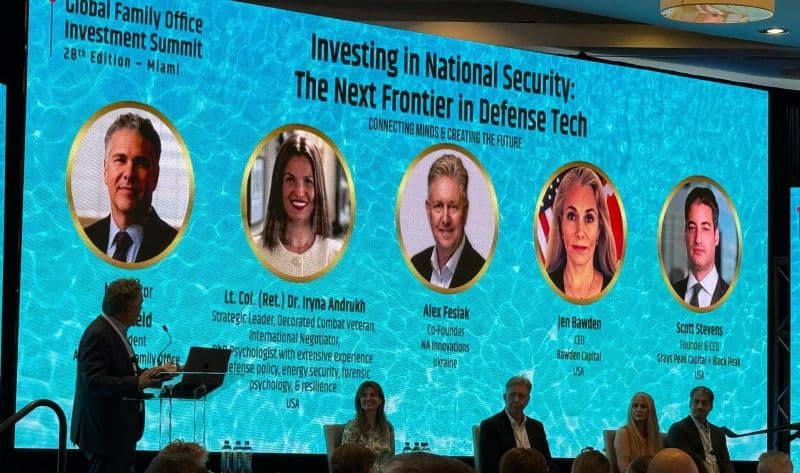
On November 20, 2025, Dr. Iryna Andrukh represented the Ukraine Foundation at the 28th Global Family Office Investment Summit held in Miami, Florida. The annual summit — a premier gathering of global family office principals, institutional investors, and strategic advisors — convened senior leaders to explore long-term capital allocation, geopolitical risk, and emerging opportunities at the intersection of private capital and global security.
At the summit, Dr. Andrukh served as the moderator of the high-profile session titled “The Future of Peace Will Be Written by Those Who Invest in Defense.” The panel brought together thought leaders and investment decision-makers to examine the evolving economic and strategic dimensions of national and collective defense in an era marked by geopolitical fragmentation and rapidly shifting risk landscapes.
In her opening remarks, Dr. Andrukh underscored the profound implications of current global security dynamics for family office investment strategies. She emphasized that private capital — when harnessed with a long-term horizon and aligned with enduring values — can play a constructive role in supporting resilience, deterrence, and reconstruction efforts. Drawing on Ukraine Foundation’s mission to mobilize global private-sector leadership in support of a free and prosperous Ukraine, she highlighted Ukraine’s role as both a frontline defender of European security and a future locus for economic renewal and institutional strengthening.B
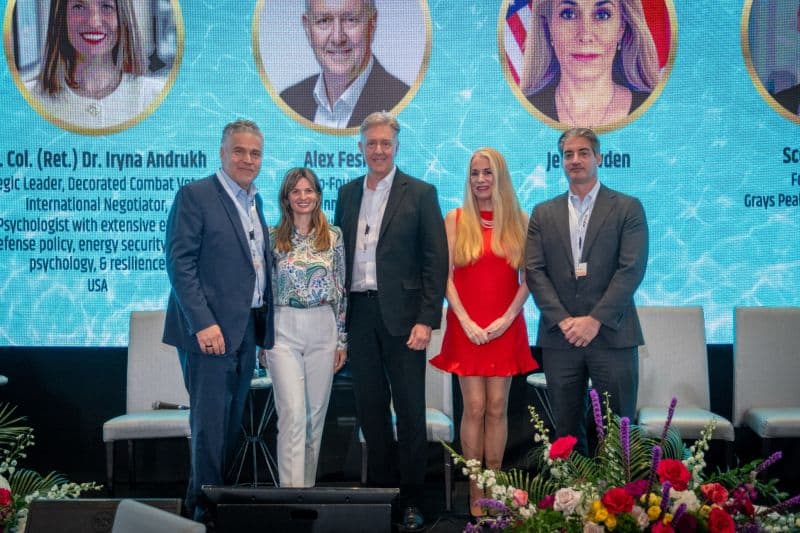
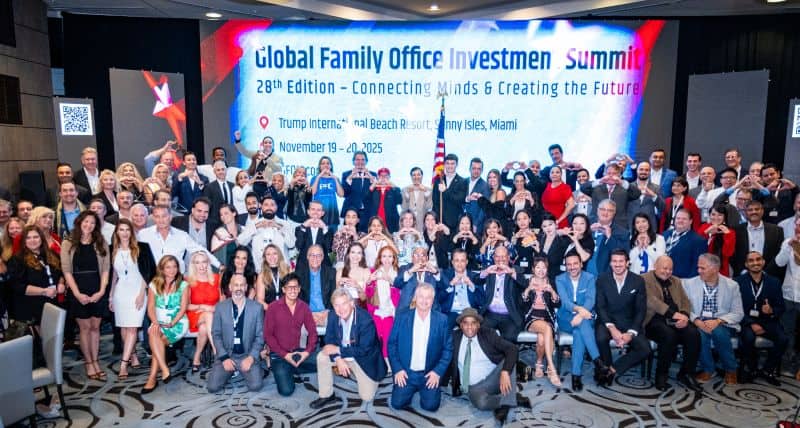
The moderated discussion explored how family offices and strategic investors are adapting governance frameworks, risk-adjusted return expectations, and impact metrics in response to geopolitical instability. Panelists shared insights on opportunities in defense innovation, dual-use technologies, supply chain resilience, and public-private collaboration — illustrating how capital can be a force multiplier for stability, preparedness, and long-term growth.
Dr. Andrukh’s leadership at the session resonated with attendees seeking to better understand how investment stewardship intersects with global peace and security. Her participation at the 28th Global Family Office Investment Summit further reinforces the Ukraine Foundation’s commitment to fostering dialogue between private capital and mission-driven initiatives, and advancing partnerships that contribute both to global security and sustainable economic transformation.
Washington: Ukraine Foundation’s Senior Fellow Nick Krohley Publishes in War on the Rocks on AI, Intelligence, and Ground Truth
We are proud to highlight the latest publication by our Senior Fellow, Irregular Warfare and Human Dynamics of Conflict, Dr. Nicholas Krohley, in War on the Rocks. In his commentary, “Anchoring Intelligence: Ground Truth in an Age of Synthetic Deception,” Dr. Krohley examines how the rapid rise of artificial intelligence and emerging agentic AI capabilities are transforming the information environment and challenging traditional understandings of military intelligence.
Dr. Krohley argues that while AI‑enabled platforms promise unprecedented speed and precision in processing battlefield data, they remain fundamentally dependent on the quality of their inputs. Without structured, human‑generated “ground truth,” even the most advanced systems risk producing a distorted picture of reality — especially as adversaries leverage synthetic content and automated disinformation at scale. To address these challenges, he calls for a two‑pronged response: developing machine‑based defenses against synthetic deception and, crucially, ensuring that human‑sourced insights are systematically integrated into analytical workflows to anchor AI analysis in the real world.
This publication draws on Dr. Krohley’s deep expertise at the intersection of intelligence, conflict dynamics, and the evolving role of AI in security environments. His work underscores the enduring importance of human judgment and ground‑level insight amidst rapid technological change — a theme that resonates with our Foundation’s commitment to rigorous, context‑aware analysis in support of Ukraine’s defense and broader democratic security.
Read the full article on War on the Rocks and join the conversation on how emerging technologies are reshaping strategic realities.
Geneva: Ukraine Foundation’s Vice Chairman, Louis L. Voiron Addressed the Geneva Forum
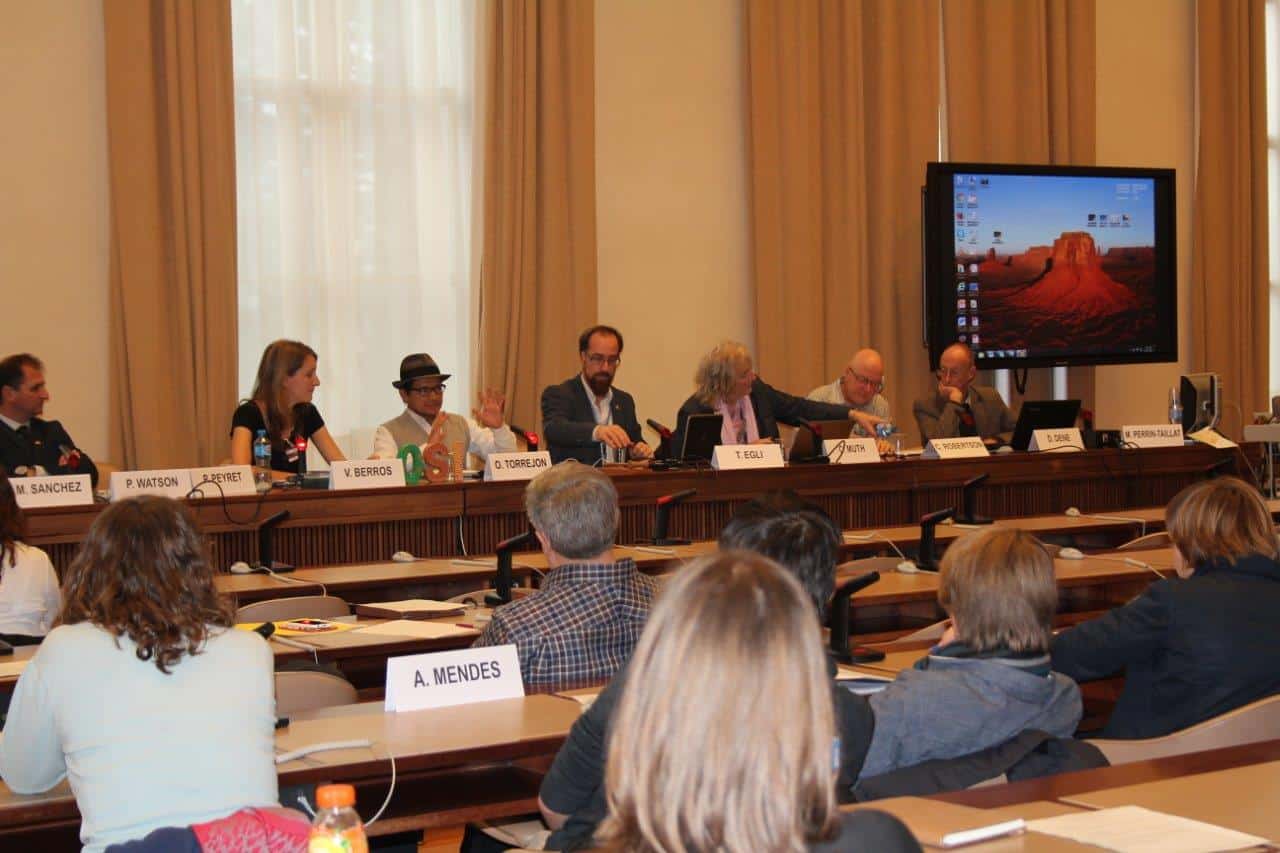
On December 11, our Vice Chairman Louis L. Voiron adressed the Geneva Forum, an event held since 2001 across UN headquarters and institutions throughout the city, to help chart new paths for sustaining International Geneva’s mission through innovative partnerships and deeper private-sector engagement.
In his intervention, “Geneva’s Relevance in an Age of Empire: Pragmatic Steps Toward Peace in Ukraine,” he reflected on how today’s geopolitical landscape is shaped less by competing visions within a shared order and more by the return of imperial logic -an evolution with profound implications for Ukraine’s security. He argued that, in a moment when global fragmentation is becoming increasingly plausible, Geneva offers unique assets for pragmatic diplomacy, including its neutral ground, convening power, and capacity to incubate concrete pilot projects that can anchor trust.
Ukraine Foundation is grateful to the Geneva Forum for hosting Ukraine Foundation, to FAGI and to the Swiss Confederation for their steadfast support in hosting this important gathering. Their commitment ensures that Geneva remains not only a historic center of multilateralism, but a living engine for creative, solutions-oriented engagement at a time when it is urgently needed.
Kyiv: Watch our Distinguished Senior Fellow, Dr. Viacheslav Kredisov, interviewed on Штаб.info about the demographic challenges facing Ukraine
Beginning at 9:20, Viacheslav Kredisov presents an analysis of Ukraine’s wartime labour market, highlighting structural imbalances and the growing pressures facing businesses and the state. Ukraine today faces a challenging demographic situation, marked by declining birth rates, rising mortality, and the departure of millions of citizens abroad. These trends were already forming during peacetime but have been sharply accelerated and exacerbated by the war.
The two-part documentary explores Ukraine’s population crisis in depth, addressing acute migration, public health, workforce shortages, and systemic challenges in education. It examines how these factors are reshaping the labour market and undermining long-term economic resilience. The evidence-based program also features expert commentary from Oleksandr Gladun, Deputy Director of the Institute of Demography and Social Research; Tetyana Govorun, Head of the Department for the Organization of Service Provision at the Kyiv City Employment Center; as well as managers and business owners operating in Ukraine during the war.
Kyiv: Ukraine Foundation Fellows Publish with the Institute of World History of the Academy of Sciences of Ukraine
On 8 November, three leaders of Ukraine Foundation — our International Advisory Board member Ambassador Pierre Andrieu, our Scientific Committee member Professor Valentin Yakushik, and our Vice President for Policy, Dr. Mariya Heletiy — published important new research in the annual volume of the Institute of World History of the National Academy of Sciences of Ukraine.
Their contributions, produced through years of diplomatic experience, academic rigour, and policy expertise, offer timely insights into Ukraine’s evolving geopolitical landscape and the global implications of the country’s struggle for security and sovereignty. This recognition by one of Ukraine’s foremost academic institutions underscores the calibre of leadership within the Foundation and our shared commitment to advancing knowledge, strengthening institutions, and shaping a more resilient future for Ukraine.
Click on each article’s cover to read the full text.
Ivano-Frankivsk: Ukraine Foundation’s Senior Fellow for Irregular Warfare and the Human Dimension of Conflict, Dr. Nicholas Krohley, addressed a high-level conference on the protection of critical infrastructure
The event was organized by a broad coalition of Ukraine’s leading national institutions working at the intersection of security, governance, and resilience. Key organizers include the Ministry of Energy of Ukraine, the Verkhovna Rada Committees on Energy and on Environmental Policy, the State Service of Special Communications and Information Protection (DSSZZI), the State Emergency Service (DSNS), the State Agency for Restoration and Infrastructure Development, and the National Academy of the Security Service of Ukraine—alongside prominent academic institutions from Ukraine, Poland, Romania, and the Czech Republic.
The event was organized by a broad coalition of Ukraine’s leading national institutions working at the intersection of security, governance, and resilience. Key organizers include the Ministry of Energy of Ukraine, the Verkhovna Rada Committees on Energy and on Environmental Policy, the State Service of Special Communications and Information Protection (DSSZZI), the State Emergency Service (DSNS), the State Agency for Restoration and Infrastructure Development, and the National Academy of the Security Service of Ukraine—alongside prominent academic institutions from Ukraine, Poland, Romania, and the Czech Republic.
This collaborative format brought together government leaders, security experts, emergency-response agencies, research universities, and international partners to address one of the most strategic challenges facing Ukraine: how to strengthen national resilience in an era of hybrid threats and systemic instability.
Nick Krohley contributed to the discussion by examining how European countries structure societal resilience within the “total defense” paradigm, comparing centralized, state-driven frameworks with more decentralized, bottom-up approaches led by civil society and the private sector. His intervention explored practical pathways for Ukraine to build a durable culture of resilience through cross-sectoral cooperation and international experience.
We are proud to support this important platform for dialogue at a moment when reinforcing resilience across all layers of Ukrainian society has never been more vital.
We look forward to publishing a detailed summary of key take-aways from the event and how these may be applied to advancing Ukraine’s economic resilience.
Paris: Ukraine Foundation’s International Advisory Board Member, Ambassador Pierre Andrieu, gives landmark interview in Le Monde des Cartes, –Le Monde’s special annual edition on “Imperial Time”- about China, Russia, and the Future of Eurasian Power Politics
In a wide-ranging interview recently published in Le Monde des Cartes, Ambassador Pierre Andrieu — Senior Fellow on China-Russia Relations at the Asia Society, former French ambassador, and professor of international relations at Sciences Po, INALCO, ISIT, ESCP, and several foreign universities — offers a precise, historically informed, and sobering assessment of the evolving relationship between Moscow and Beijing.
Drawing on decades of diplomatic and academic experience, and on research developed in his 2023 book Géopolitique des relations russo-chinoises, Andrieu outlines a partnership that is far from equal, shaped by deep strategic ambivalence, divergent imperial legacies, and the shockwaves of Russia’s war in Ukraine.
Ambassador Andrieu stresses that despite the rhetoric of a “limitless friendship,” Russia today has become China’s junior partner, if not its outright vassal. The dynamic has inverted dramatically since the 1950s, when Mao’s China was economically dependent on the Soviet Union and chafing under its authority. Today, China’s economic weight — with a GDP ten times larger than Russia’s — determines the parameters of the relationship. Beijing imports vast quantities of Russian energy and raw materials while exporting high-value industrial goods to a Russia isolated by Western sanctions. Trade between the two countries has surged to USD 245 billion, underscoring the Kremlin’s reliance on China to offset the economic consequences of its invasion of Ukraine.
Yet this partnership remains constrained by mistrust and historical memory. Beijing has not forgotten the immense territories seized by Tsarist Russia in the nineteenth century, nor does it fully align with Moscow’s revisionist aggression. Andrieu highlights that while both governments reject “Western hegemony,” their ambitions differ in nature and scale. China seeks to reshape multilateralism to secure its centrality; Russia seeks to overturn the table outright. Where Beijing pursues influence through economic power, global trade networks, and military modernization — notably to prepare for a future attempt to take Taiwan — Moscow is driven by a nostalgic and destabilizing imperial impulse. Andrieu reminds readers that for President Putin, the restoration of Russian greatness is inseparable from subjugating Ukraine: a conviction famously captured by Zbigniew Brzezinski’s dictum that “Russia without Ukraine is not an empire.”
Ambassador Andrieu underscores that China’s posture on the war remains one of “pro-Russian neutrality” — supporting Moscow sufficiently to prevent regime collapse, yet refusing to recognize the illegal annexations of Ukrainian territory. Beijing benefits strategically from the war: it absorbs Western focus in Europe, gains military and sanctions-evasion insights, and sees Russia grow more economically dependent. Meanwhile, U.S. policy oscillations — particularly under Donald Trump — have reinforced Beijing’s confidence and blurred Washington’s commitments both to Ukraine and Taiwan.
The interview also examines China’s rise as a technological and economic superpower, propelled not by ideology but by a sustained strategy of projecting economic influence abroad through the Belt and Road Initiative and its expanding digital presence. In contrast to Russia’s destabilizing adventurism, China seeks to “lock down” its environment: pushing expansive claims in the South China Sea, while maintaining stability in sensitive regions such as Central Asia, where it invests heavily in infrastructure and security cooperation.
Turning to Russia’s internal trajectory, Andrieu offers a stark assessment: the Kremlin remains trapped in an imperial mindset that stretches back to the Tsarist era and that continued, in different forms, under Soviet rule. Russia’s war against Ukraine — launched with the expectation of a swift victory — has instead revealed severe military limitations and an economy under growing strain. Its ambitions in the Black Sea, the Caucasus, and Central Asia are faltering even as it pursues hybrid provocations against NATO states. Ambassador Andrieu notes that drone incursions, territorial overflights, and other grey-zone activities remain below the threshold of open conflict but signal a deliberate campaign to test the cohesion and resolve of the Alliance at a moment of political divergence among its leaders.
Ultimately, Ambassador Andrieu concludes that Russia shows no genuine interest in negotiating a ceasefire. Its objectives remain unchanged: the capitulation of Ukraine and the erasure of its sovereignty. In this context, he warns, Europe and its partners must grasp the full implications of an emboldened China, a destabilizing Russia, and a Eurasian landscape increasingly shaped by asymmetric partnerships and imperial revisionism.
For Ukraine and for Europe, Andrieu’s analysis is a reminder that the future of Eurasian security will be determined not only on the battlefield, but also across the shifting tectonics of Sino-Russian relations, global economic influence, and the resilience of the international order itself.
Brussels: Ukraine Foundation’s Alex Luna Appointed Advisor to Ukraine’s Human Rights Commissioner Dmytro Lubinets
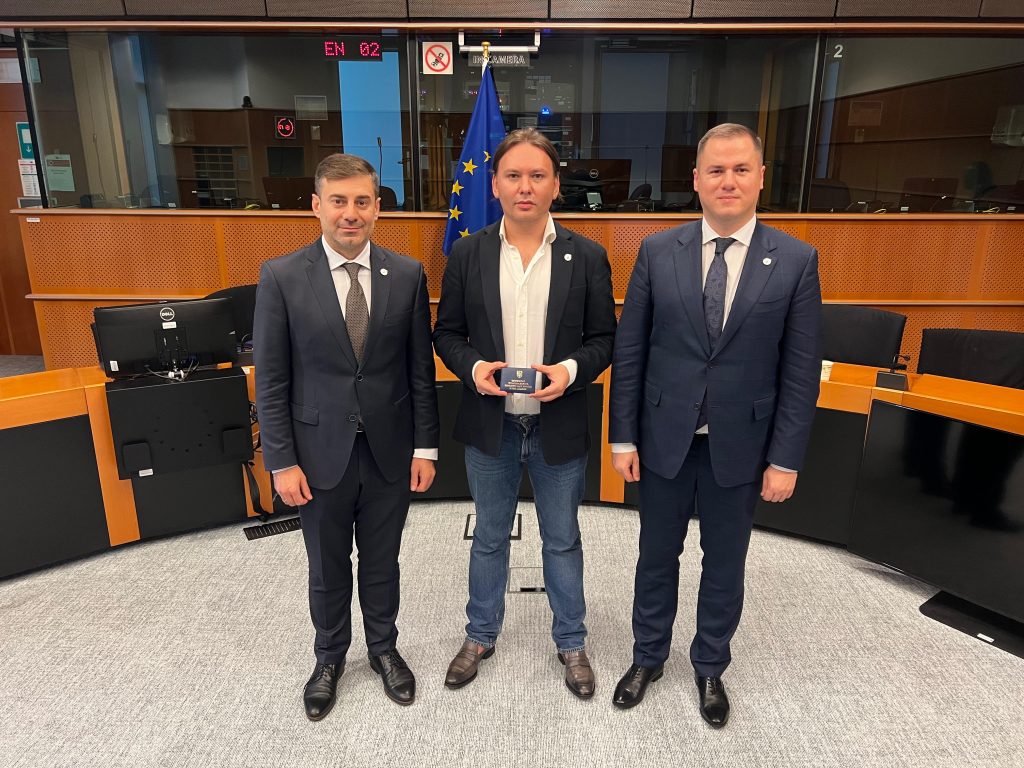
Ukraine Foundation is pleased to announce that our Vice President for Cultural Diplomacy, Alex Luna, has been appointed Advisor to the Ukrainian Parliament Commissioner for Human Rights, Dmytro Lubinets, with a dedicated mandate to enhance cooperation with the Republic of Bulgaria. Confirmed on 17 October during official engagements involving Bulgaria’s parliamentary representation at the European Parliament, this appointment underscores the growing importance of close human rights coordination between Kyiv and Sofia.
In this role, Alex Luna will help drive key initiatives to protect the rights of Ukrainians residing in or displaced by the war to Bulgaria. His efforts will focus on strengthening advocacy, ensuring accountability for war crimes, advancing the return of deported children, and reinforcing cooperation with the Bulgarian government and civil society institutions to keep Ukraine’s human rights priorities high on both the national and European agenda.
Ukraine Foundation President Louis Voiron commended the appointment as an important step forward in amplifying Ukraine’s voice in European human rights dialogues. “Alex’s leadership, vision, and tireless commitment to the Ukrainian people make him uniquely suited for this vital responsibility,” he stated. “We are grateful for his dedicated service to Ukraine, and confident that his work will further deepen the bonds of solidarity and shared democratic values between Ukraine and Bulgaria.”
This milestone highlights Ukraine Foundation’s growing role in advancing international partnerships that protect human dignity and support Ukraine’s path toward a secure, just, and European future.
Doha: Watch our International Advisory Board Member, Dr. John A. Pennell, commenting to Al Jazeera on the Alaska Summit
Washington: Ukraine Foundation’s Senior Fellow, Irregular Warfare and Human Dynamics of Conflict Co-Authors “Iran, Ukraine, and the Realities of “Resistance” & “Regime Change”” In Small Wars Journal.
Ukraine Foundation is proud to announce a significant contribution from our Senior Fellow, Nick Krohley, whose recent co-authored article, “Iran, Ukraine, and the Realities of ‘Resistance’ & ‘Regime Change’,” has been published in Small Wars Journal. This insightful piece explores the complexities of modern conflicts, focusing on the dynamics of resistance movements and the implications for both Ukraine and the broader region.
In the article, Krohley and his co-authors delve deep into the multifaceted relationships between Iran and Ukraine amidst escalating global tensions. They provide a critical analysis of how Iran’s support for irregular warfare can influence the conflict landscape in Ukraine and beyond. The authors articulate how such dynamics shape not just military strategies, but also ideological undercurrents that drive resistance movements.
Krohley highlights Iran’s longstanding role in supporting groups engaged in irregular warfare across the Middle East. This assistance is not merely logistical; it encompasses ideological solidarity that informs the resistance efforts in places like Ukraine. By examining Iran’s engagement, the article presents a nuanced understanding of how one nation’s actions can reverberate through global conflicts.
The heart of the piece investigates the nature of resistance within Ukraine itself. The authors illustrate how civilian and military actors are not just reacting to Russian aggression but are actively shaping the conflict landscape. This resistance is vital for not only national survival but also for fostering a sense of unity among various factions striving for Ukraine’s sovereignty.
The article also navigates the complex topic of regime change, exploring how external pressures can impact political dynamics within Ukraine. The authors caution that achieving meaningful change requires a comprehensive strategy that recognizes the intricate web of alliances and conflicts at play, particularly in light of foreign influences like Iran.
Krohley’s work urges policymakers and military strategists to recognize the intricate interplay of these variables. Understanding the motivations and tactics of both state and non-state actors is critical for developing effective responses to ongoing conflicts. The piece serves as a calling card for the international community to engage thoughtfully with the realities faced by nations like Ukraine, particularly in times of crisis.
As the geopolitical landscape continues to evolve, Nick Krohley’s publication in Small Wars Journal stands as an essential resource for comprehending the challenges ahead. Ukraine Foundation celebrates this milestone, recognizing the importance of scholarly efforts to illuminate complex issues surrounding warfare and resistance. We encourage our community to engage with this work and reflect on its implications for Ukraine and beyond.
For further insights and discussions on this publication, visit Small Wars Journal or tune into our upcoming webinars focusing on interconnected global conflicts.
Iran, Ukraine, and the Realities of “Resistance” & “Regime Change” – July 14, 2025
Warsaw: Watch our Vice President, Dr. Mariya Heletiy, interviewed on TVP World about European air defense and support for Ukraine
We Are Team UA: Voices of Impact
Our Policy and Research Fellowship Team brings together 24 outstanding individuals: 4 Distinguished Senior Fellows, 7 Senior Fellows, 2 Special Fellows, 5 Fellows, 4 Associate Fellows, and 2 Associate Fellows. This powerhouse of expertise is building one of the most dynamic and impactful policy research communities focused on Ukraine today. To learn more about each of them, click on his or her image.

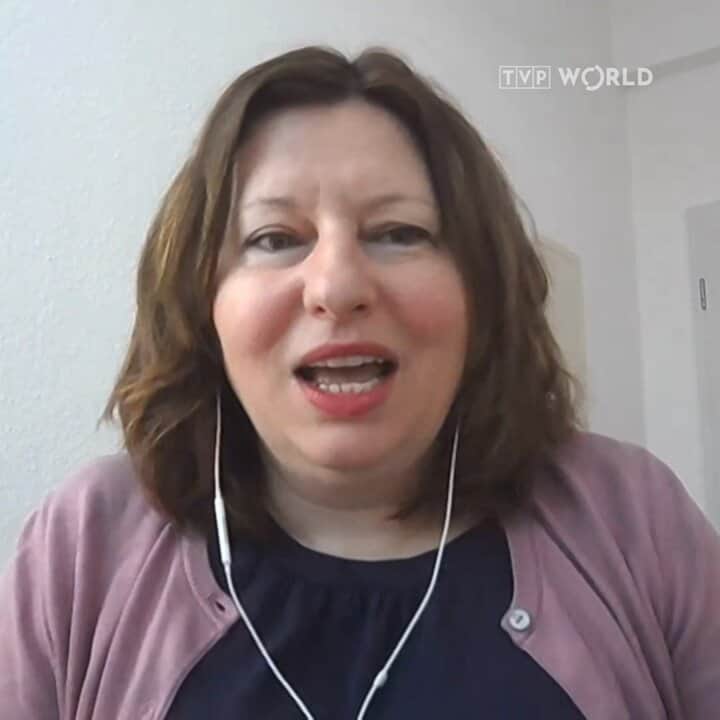


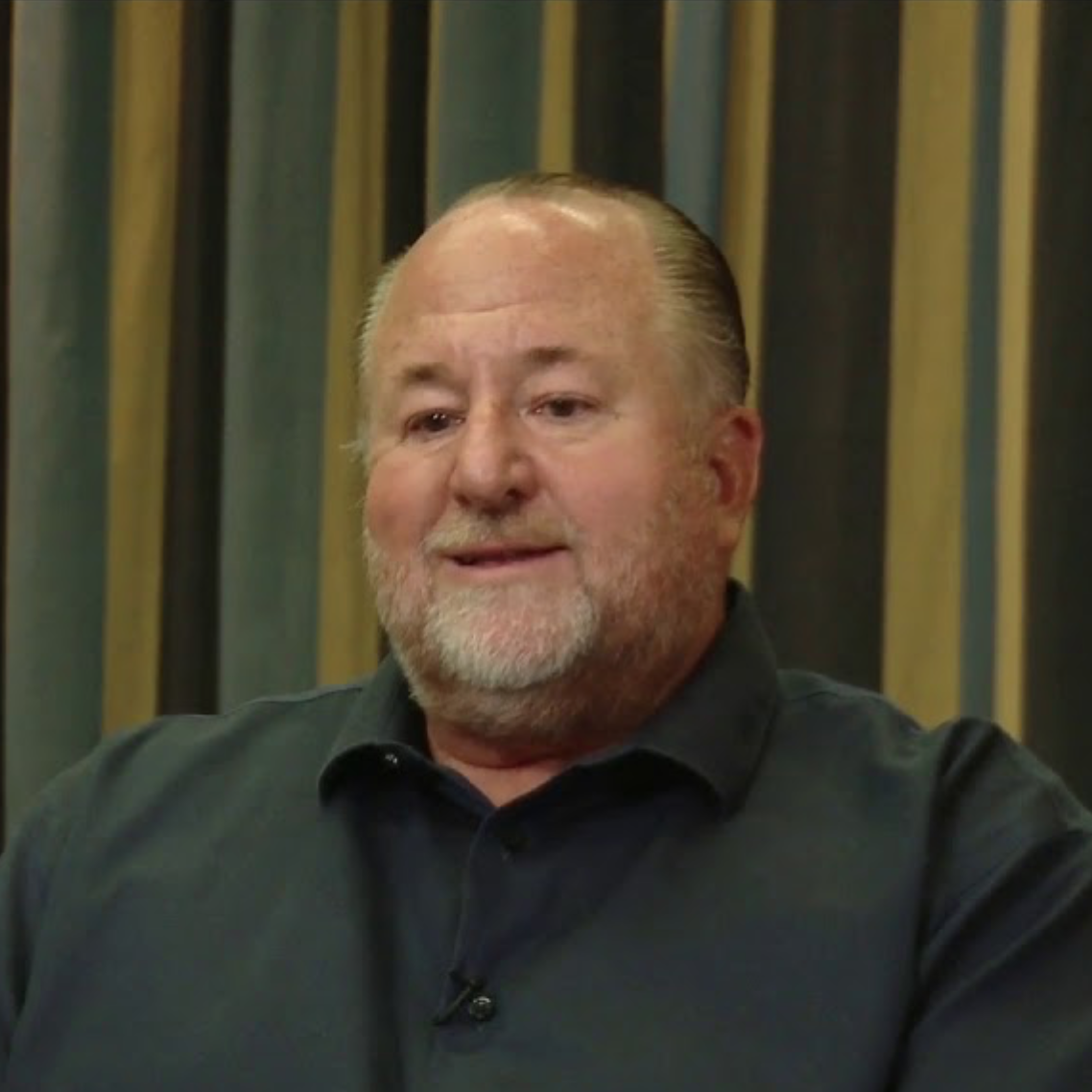
Our Fellows and our alumni hail from the world’s most prestigious universities — Oxford, Cambridge, Harvard, Yale, Stanford, Princeton, Berkeley, LSE, UCL and King’s College — and bring a wealth of experience from the front lines of government, international financial institutions, diplomacy, defence, intelligence, think tanks, and academia.
Their analysis and commentaries have been featured on CNN, BBC, Al Jazeera, Fox News, Bloomberg, Reuters, Financial Times, The New York Times, The Washington Post, The Guardian, Politico, the Kyiv Post, Ukrainska Pravda, and on all major Ukrainian television channels.
Their research have been published in peer-reviewed publications including Foreign Affairs, Foreign Policy, Harvard International Review, The National Interest, European Economic Review, Bulletin of the Atomic Scientists, Journal of Strategic Studies, International Institute for Strategic Studies’ Survival, Journal of Conflict Resolution, and World Politics Review.
Together, they form a brain trust capable of shaping the next generation of policy solutions.
London: Our International Advisory Board Member, H.E. Ambassador Pierre Andrieu, shares his insights on the strengthening of the China-Russia axis with the BBC
On 30 August 2025, longtime French diplomat Pierre Andrieu shared a sobering analysis with BBC Russian Service: even if the U.S. ends the war in Ukraine and lifts some sanctions, this would not weaken the Russia–China alliance—but rather, could reinforce it
Key Takeaways from Ambassador Andrieu’s Perspective
• U.S. Strategy Misread: Attempts to drive a wedge between Moscow and Beijing—“a Kissinger-in-reverse”—are destined to fail because they underestimate the depth and multifaceted nature of this partnership.
• Unprecedented Alliance Dynamics: Ambassador Andrieu argues that Russia and China are now experiencing the closest bilateral relationship in their shared history—marked by aligned strategic interests encompassing ideology, military positioning, economic complementarity, and authoritarian governance traits.
• Economic & Military Synergies: China supplies industrial strength, tech, and consumer goods, while Russia offers resources, energy, and strategic geography—especially valuable for Chinese logistics and regional influence.
• Ideological and Personal Bonds: Beyond pragmatic necessity, this axis is sustained by shared worldviews and the longstanding personal rapport between Vladimir Putin and Xi Jinping. Both leaders embody similar authoritarian styles and mutual loyalty, which further fuels their alliance.
A Thought-Provoking Quote
“Переговоры США, призванные вбить клин между Москвой и Пекином… недооценивают глубину и многогранность этого партнерства.”
— Pierre Andrieu
Why It Matters for Ukraine
• Diplomatic Implications: This analysis underscores how Western attempts to reshape global alliances through sanctions or negotiations might backfire—bolstering, not weakening, authoritarian coalitions.
• Strategic Repercussions: A stronger Russian–Chinese bond may recalibrate geopolitical balance, posing further challenges in diplomacy and security for Ukraine and its partners.
• Advocacy Insight: Highlighting this perspective enhances awareness among supporters and stakeholders about the evolving geopolitical landscape and the necessity for informed, nuanced strategy.
Our Editor’s Preferred Soundbite
“Even if the U.S. ends the war and lifts sanctions, it won’t weaken the Russia–China alliance—it could strengthen it. According to French diplomat Pierre Andrieu, Russia and China are closer than ever, bound by shared ideology, economics, military strategy, and the personal camaraderie of their leaders. Western attempts to wedge them apart are gravely misjudged.”
– Pierre Andrieu via BBC Russian Service
Putin, after meeting with Trump, is going to China to celebrate his victory. What to expect from the visit and summit of the SCO? – August 20, 2026
Berlin: Read the latest publication with CATS Network of our European Advisory Board member, Dr. Maryna Vorotnyuk, on Ukraine–Turkey Strategic Partnership in Security and Defence.
Dr. Maryna Vorotnyuk, a leading expert within the CATS Network and a member of Ukraine Foundation’s European Advisory Board for Black Sea Security, examines how Ukraine and Turkey have emerged as key strategic partners in navigating the rapidly shifting European security landscape. Her latest paper underscores the depth of their cooperation in defence and the shared objective of countering Russia’s destabilising aggression. Turkey’s role as a growing contributor to European security — and as a potential mediator and security guarantor for Ukraine — is highlighted as central to sustaining regional stability. Vorotnyuk emphasises that Ukraine sees this partnership not only as a response to the ongoing war, but also as a long-term foundation for a resilient security architecture across the Black Sea.
Yet, as her research notes, the path to full convergence is not without challenges. Different threat perceptions, Ankara’s pursuit of strategic autonomy from the West, and its complex security ties with Moscow continue to limit the partnership’s full potential. Vorotnyuk argues that deeper alignment between Turkey and Europe will be essential to unlocking the transformative promise of this bilateral relationship. With both Kyiv and Ankara serving as critical eastern outposts for European security, she concludes that reinforcing their strategic defence dialogue today will shape the future order of the Black Sea region and its contribution to a secure Europe.
Ukraine-Turkey Strategic Partnership in Security and Defence – June 26, 2025
Bern: Louis Voiron represented Ukraine Foundation at the Ukraine Forum, held on 23 September in Switzerland’s Federal Palace
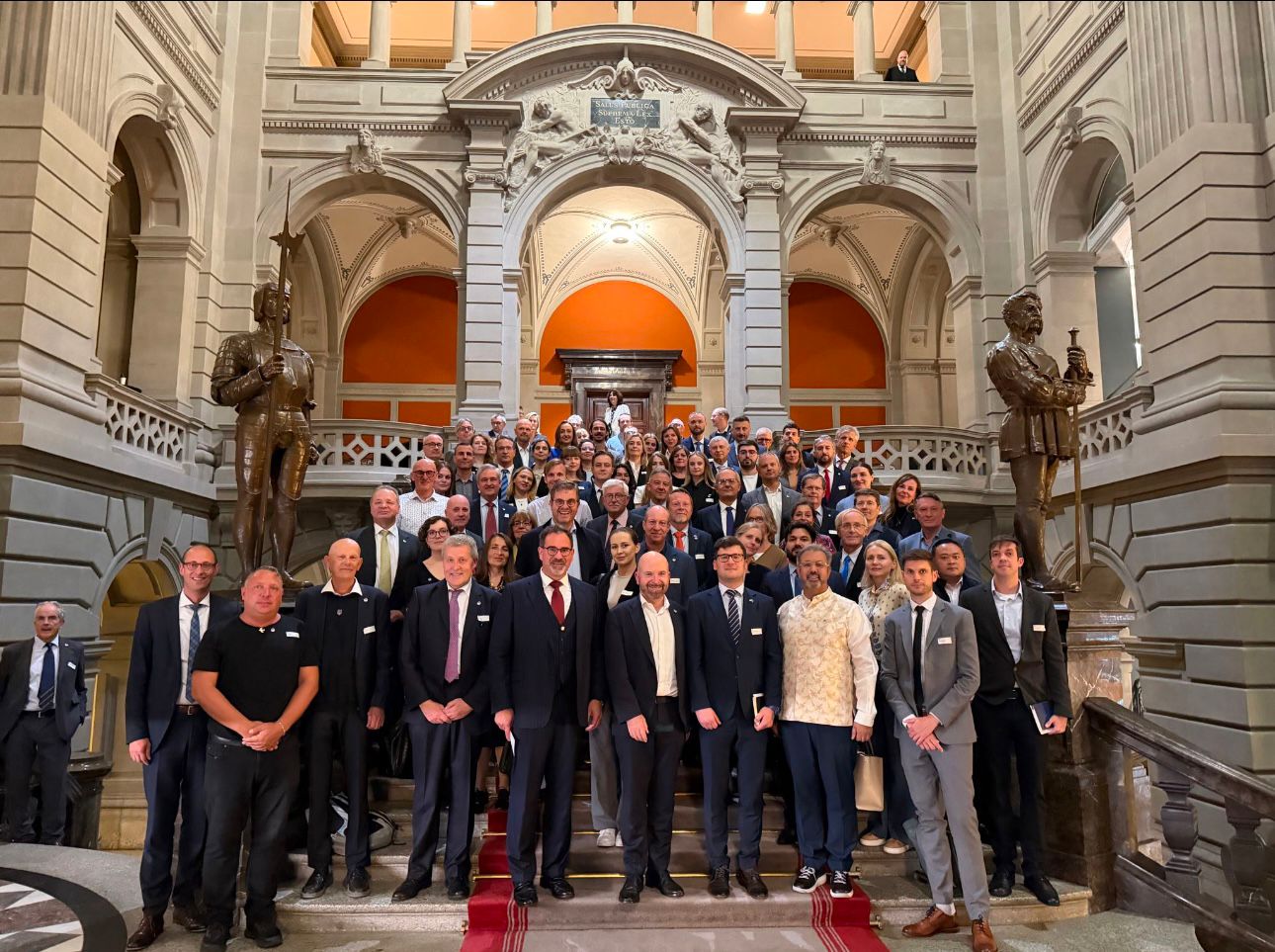
Organized with the participation of the Swiss Federal Assembly, the Ukrainian Society of Switzerland, and partner institutions, the Forum gathered policymakers, parliamentarians, diplomats, journalists, business leaders, and civil society representatives to discuss Ukraine’s resilience, security challenges, democratic future, and European integration.
The event featured welcoming addresses by Maja Riniker, President of the National Council of Switzerland, and Iryna Venediktova, Ambassador of Ukraine to Switzerland, followed by contributions from Swiss and Ukrainian members of Parliament, senior analysts, and leading media voices. Louis Voiron’s presence underscored the Ukraine Foundation’s commitment to fostering dialogue and building enduring partnerships in support of Ukraine’s recovery, reconstruction, and cultural exchange.
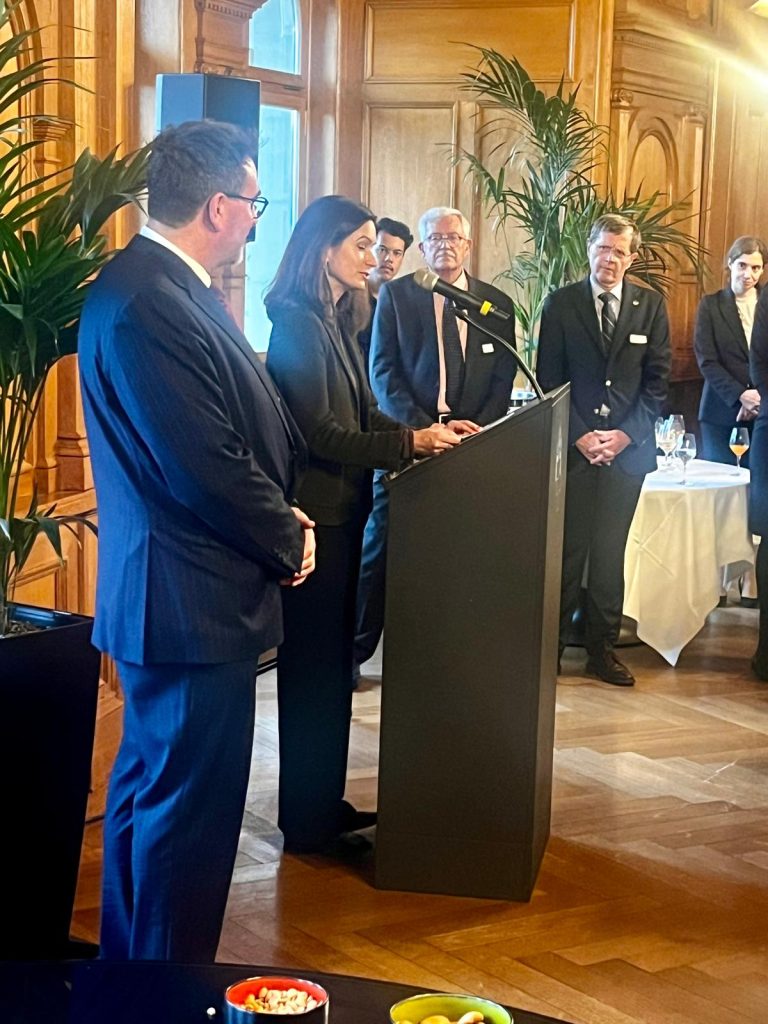

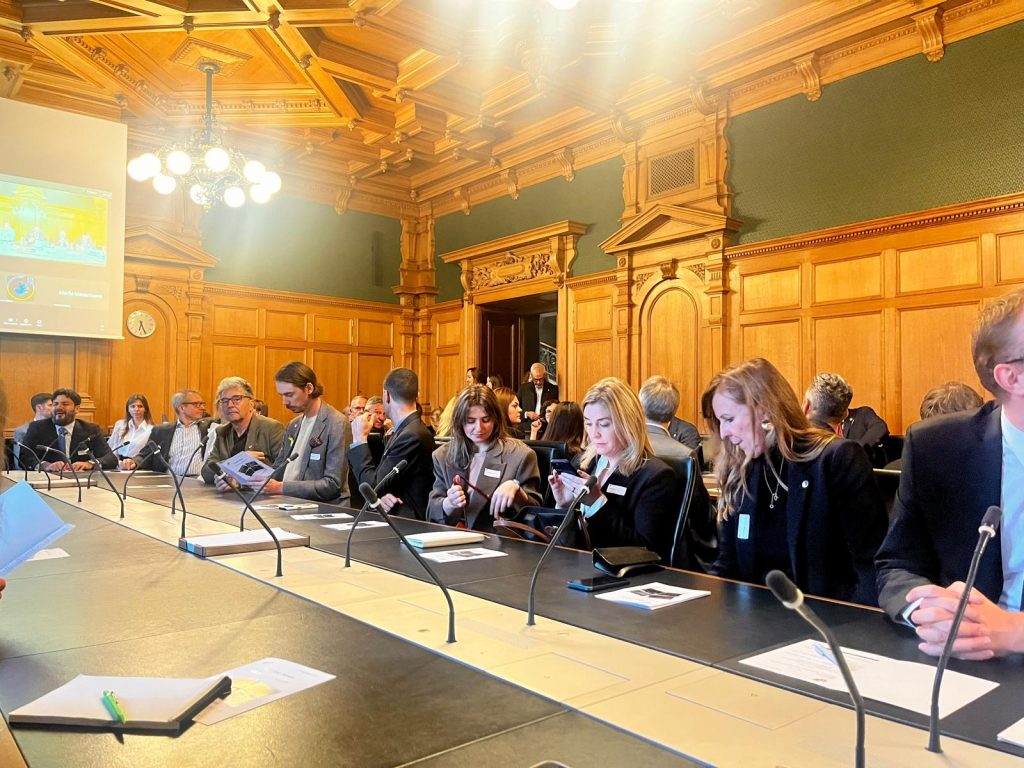
TVP World, UATV, National Public Broadcasting Suspilne, Freedom TV, Kyiv24 News: Watch Dr. Mariya Heletiy’s latest media appearances
Washington: Check out the latest media appearances of Ukraine Foundation’s International Advisory Board Member John Pennell
John Pennell on Russia’s Actions in Ukraine and Syria in The Cognitive Crucible by the Information Professionals Association – September 16, 2025
In the episode, Dr. John Pennell explores how Russia’s use of irregular warfare and information operations has evolved across Ukraine and Syria from 2014 to 2022, arguing that Russia has increasingly blended kinetic, cyber, influence, and hybrid tactics to shape outcomes. He discusses how the information environment has become a key domain in contemporary conflict, emphasizes the growing role of non-state actors (like criminal syndicates) in amplifying Russia’s messaging, and calls for better public literacy about information threats, more research into how adversaries adapt their strategies, and more integration between scholars, policymakers and practitioners in responding to this more complex character of war.
John Pennell on “Did Syria Prepare Russia for Hybrid Warfare in Ukraine?” in At the Boundary by the Global and National Security Institute of the University of South Florida – August 11, 2025
In the “Did Syria Prepare Russia for Hybrid Warfare in Ukraine?” episode of At the Boundary, Dr. John Pennell discusses how Russia leveraged its 2015 intervention in Syria as a proving ground for techniques later applied in Ukraine. He argues that operations in Syria allowed Moscow to test tools like drones, electronic warfare, information campaigns, and proxy forces under real combat conditions. Dr. John Pennell traces how Russia adapted those hybrid warfare methods—initially developed in the Syrian context—to the conflict in Ukraine, especially in its early phases (Crimea, Donbas), emphasizing plausible deniability, disinformation, and local proxies. He also highlights the importance of understanding this operational lineage for NATO, the U.S., and partners as they seek to counter Russia’s evolving toolkit.
We Are Team UA: Leadership with Purpose
The Governance of Ukraine Foundation is vested in a distinguished leadership whose collective record reflects decades of service at the highest levels of international law, global finance, diplomacy, public policy, and strategic philanthropy. They have counseled heads of state, shaped global trade and investment frameworks, steered major publicly traded companies, and advanced international development and humanitarian efforts in some of the world’s most challenging environments. Over the years, they have held senior roles in the White House and the U.S. Congress; represented governments in consequential negotiations; and guided some of the largest institutional investors in navigating complex global markets. Their legal, policy, and financial insights have been sought after by some of the highest-net-worth and most consequential individuals worldwide.
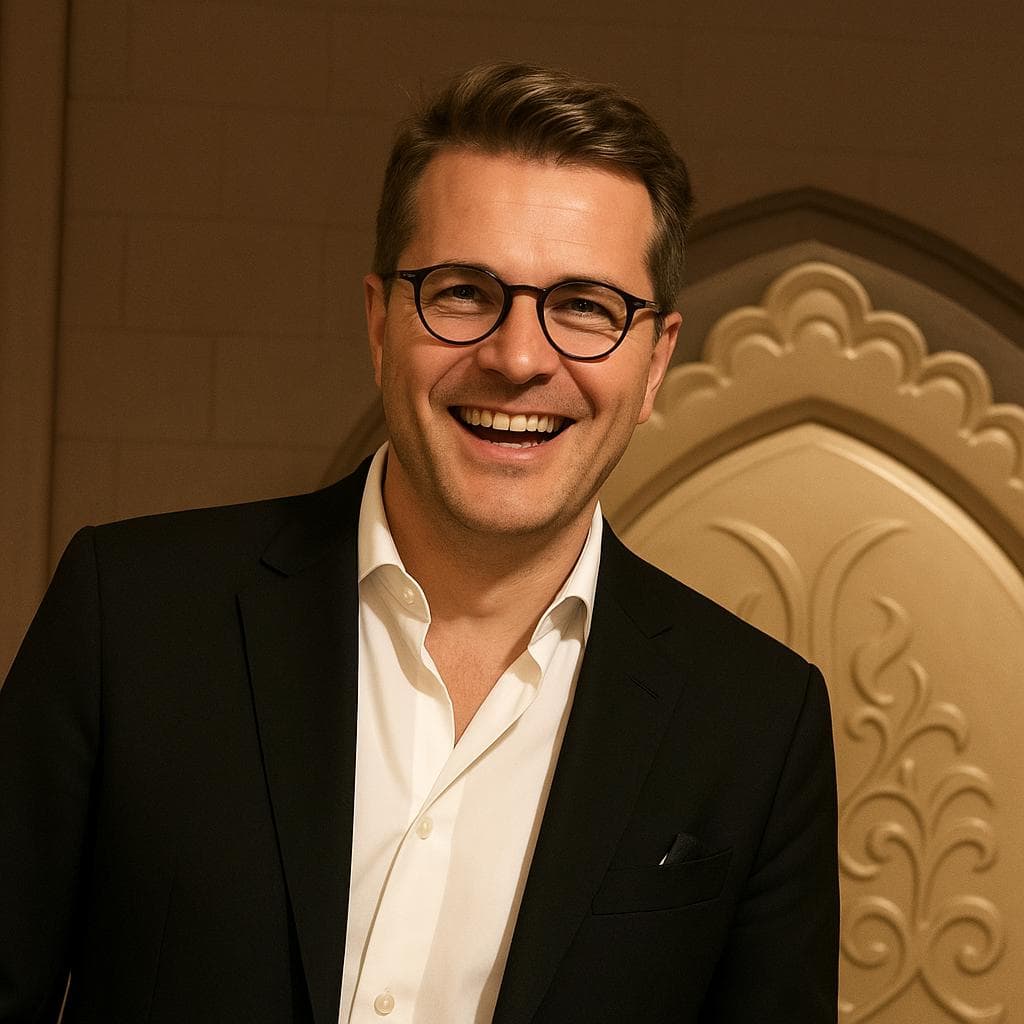
Anchored by this depth of experience, their governance provide the strategic vision, integrity, and disciplined stewardship that define the Foundation’s mission — forging enduring partnerships, strengthening institutions, and championing a free, secure, and prosperous Ukraine. United in purpose and principle, they are the driving force behind the Foundation’s impact.
Geneva: Ukraine Foundation’s International Advisory Board Member Ambassador Pierre Andrieu Commenting In Le Temps that Putin Now Plays the Junior Partner to Xi

In an interview with Le Temps dated 2 September 2025, French diplomat Pierre Andrieu stressed that the balance of power between Moscow and Beijing has shifted decisively: Vladimir Putin is no longer the leading partner in this relationship, but increasingly dependent on Xi Jinping’s China.
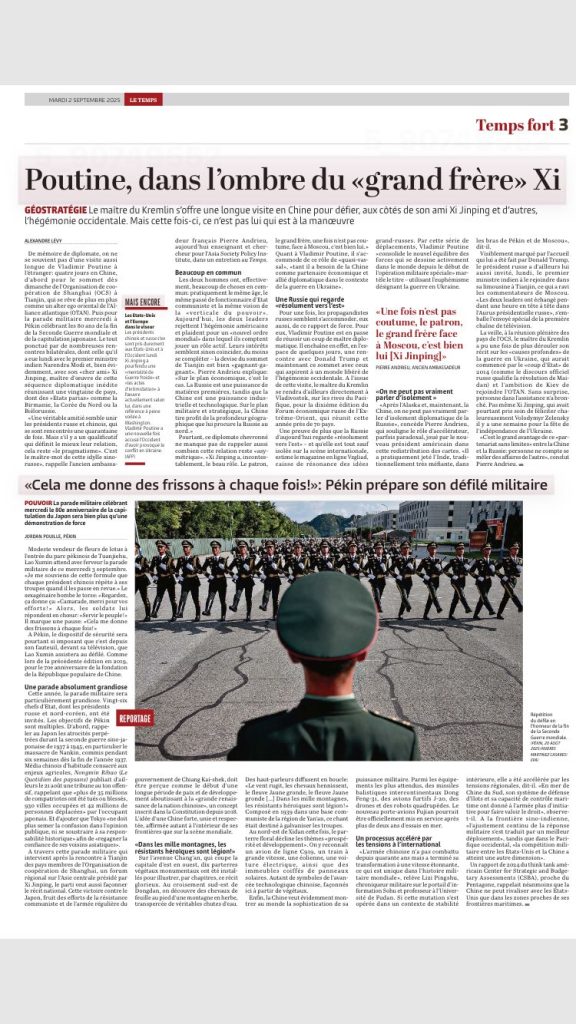
Ambassador Andrieu notes that while Russia still offers energy resources, military weight, and geopolitical disruption, these assets are outweighed by China’s economic might, global influence, and strategic patience. For the first time in their shared history, Moscow’s leader stands in the “shadow of his big brother” Xi. This dynamic reflects not only the growing asymmetry between the two regimes but also the limits of Russia’s ability to independently shape the international order amid its ongoing war against Ukraine.
Lviv: Ukraine Foundation’s Vice President for Cultural Diplomacy Alex Luna Leads the National Anthem Before the Final of the 2025 Ukrainian Football Cup.
Our entire teams at Ukraine Foundation were filled with immense pride to watch our Director of Cultural Affairs, Alex Luna, delivering a powerful a cappella performance of “Ukraine’s Glory Has Not Perished,” the national anthem, leading the entire Arena Lviv stadium at full capacity in unison on the opening of the Final of the 2025 Ukrainian Football Cup on May 24.
Princeton & West Point: Dr. Mariya Heletiy Publishes “The Balkans Model and Conditions for Peace in Ukraine” in the Irregular Warfare Initiative of Princeton University and the Modern War Institute At West Point
We are proud to share the latest contribution from Dr. Mariya Heletiy, whose new article has been published by the Irregular Warfare Initiative, a joint project of Princeton University’s Empirical Studies of Conflict and the Modern War Institute at West Point.

In “The Balkans Model and Conditions for Peace in Ukraine,” Dr. Heletiy draws on the experience of the Balkan conflicts to analyze the irregular warfare nature of Russia’s invasion of Ukraine and what it means for peace-building. Her analysis offers a sobering but necessary perspective: that peace in Ukraine cannot be built on traditional negotiations alone.
Using the backdrop of Russia’s repeated violations of ceasefire agreements -most recently its broken “Easter truce”- Dr. Heletiy argues that today’s hybrid conflicts require more than diplomatic handshakes. The war in Ukraine spans far beyond the battlefield, touching diplomatic, informational, economic, humanitarian, and military fronts. As she points out, ceasefires in irregular conflicts often serve less as a path to peace and more as a pause for regrouping and rearming.
Drawing lessons from the Balkans, Dr. Heletiy proposes that irregular warfare tools -such as economic pressure, information campaigns, and unconventional tactics- must be part of any comprehensive strategy for sustainable peace. Her article warns against the false comfort of conventional approaches that do not account for the ideological drivers, asymmetries, and non-state actors that continue to shape today’s conflicts.
We encourage everyone interested in peace and security in Ukraine and beyond to read Dr. Heletiy’s full piece, which brings deep insight and strategic clarity to one of the most pressing issues of our time.
Paris: Ukraine Foundation’s International Advisory Board Member Ambassador Pierre Andrieu Talks to Le Monde and The South China Morning Post.
Face à ce sud global dominé par la Chine qui n’existe pas, l’Occident sous la férule de Donald Trump existe de moins en moins – September 3, 2025
West in Flux: Insights from Pierre Andrieu on Global Power Shifts
Europe and the West are navigating a world defined less by formal alliances than by informal power plays and strategic asymmetries. For Ukraine, this global tension is not abstract — it shapes the battlefield, diplomacy, and the credibility of Western support.
Myth of the “Global South”
A Le Monde editorial challenges the idea of a cohesive “Global South” led by China, describing it as largely a myth. Yet Beijing and Moscow exploit this perception to weaken Western influence.
“Allies without treaties — bound not by institutions or shared values, but by converging interests and opposition to the West.”
— Pierre Andrieu
This informal alignment enables states to coordinate against Western positions, including on Ukraine, without formal constraints. Meanwhile, Western disunity and strategic ambiguity amplify the paradox: a bloc that barely exists gains influence because the West itself is increasingly divided.
Europe Squeezed
The South China Morning Post highlights how Europe is caught between Washington and Beijing, facing trade pressures, diplomatic sidelining, and a crisis of strategic coherence.
“Europe is no longer facing structured blocs, but power asymmetries — a world in which great powers turn the screws without offering real choices.”
— Pierre Andrieu
Europe’s inability to act decisively leaves it exposed to American unilateralism on one side and Chinese leverage on the other. For Ukraine, this strategic constraint limits Europe’s capacity to shape outcomes, sustain commitments, and counter informal pressure from authoritarian powers.

Europe’s summer from hell bleeds into autumn as Trump and Xi turn the screws – September 5, 2025
In an analysis published in the South China Morning Post titled “Europe’s summer from hell bleeds into autumn as Trump and Xi turn the screws,” the article argues that the European Union has entered a period of strategic vulnerability as global power politics intensify.
The piece describes how a series of setbacks—including tensions at the NATO summit, a perceived one-sided trade arrangement with the United States, and Chinese leader Xi Jinping’s refusal to attend an EU summit in Brussels—have reinforced perceptions of European weakness. At the same time, the geopolitical pressure exerted by both Donald Trump and Beijing illustrates how major powers are increasingly shaping the international agenda, while Brussels struggles to assert influence. Commentators cited in the article warn that Europe’s recent difficulties have sparked fears that the continent could enter a prolonged period of geopolitical decline, echoing historical analogies such as China’s own Century of Humiliation.
Among those quoted, our International Advisory Board member Pierre Andrieu argues that Europe should deepen engagement with countries in the Global South rather than forcing them into rigid geopolitical camps. Our International Advisory Board member notes that many of these states pursue a “multi-vectoral policy,” seeking balanced relations with several major powers rather than aligning exclusively with China, Russia, or the West, suggesting that recognizing this approach could help Europe maintain diplomatic relevance in an increasingly polarized international system.
A Message from Louis L. Voiron
Founding President
“Ukraine Foundation is a research-focused and impact-driven organization at its core.”
At Ukraine Foundation, we believe that Ukraine’s path to peace, resilience, and prosperity depends on more than simply enduring the challenges of today—it requires shaping the future with vision, determination, and global solidarity.
Every initiative we lead is rooted in the conviction that Ukraine’s strength lies not only in its courage, but also in its ability to inspire partnerships, drive innovation, and share its cultural and intellectual contributions with the world. Whether advancing groundbreaking policy research, fostering cross-border dialogue, or mobilizing resources for humanitarian and development projects, our mission is clear: to turn shared values into lasting impact.
This is a time when the stakes could not be higher. Ukraine’s future is inseparable from the future of the international community, and the choices we make today will define generations to come. That is why Ukraine Foundation works at the intersection of policy, culture, and technology—bridging sectors, uniting allies and partners, and building solutions that outlast crises.
To our friends, partners, and supporters around the globe: thank you for standing with Ukraine. Together, we can transform resolve into results, hope into action, and vision into a future where peace and progress prevail.
Kyiv & Sofia: Alex Luna Taking Somnia Disaster -A Chernobyl-Fukushima Cultural Bridge- Across European Parliaments
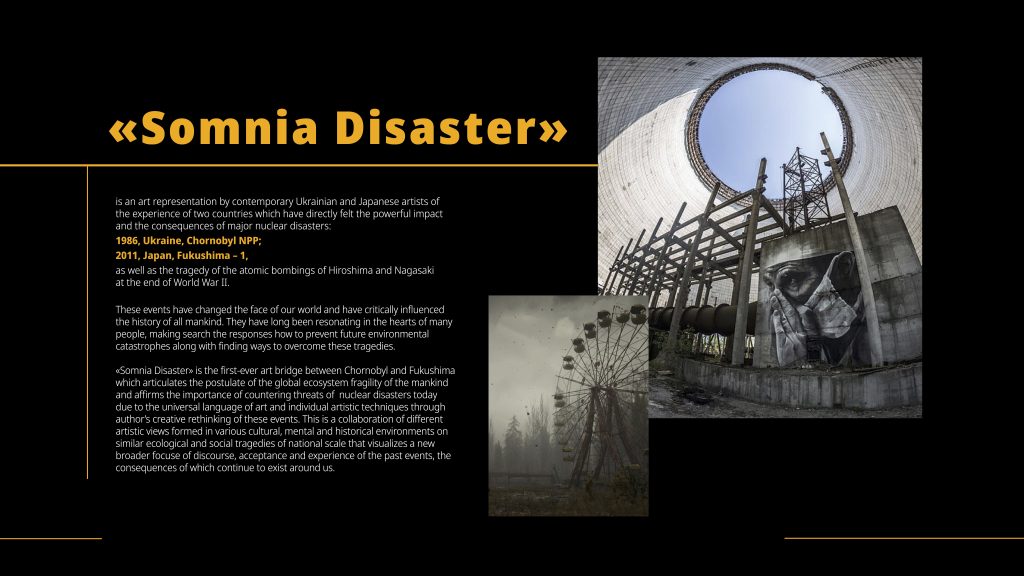
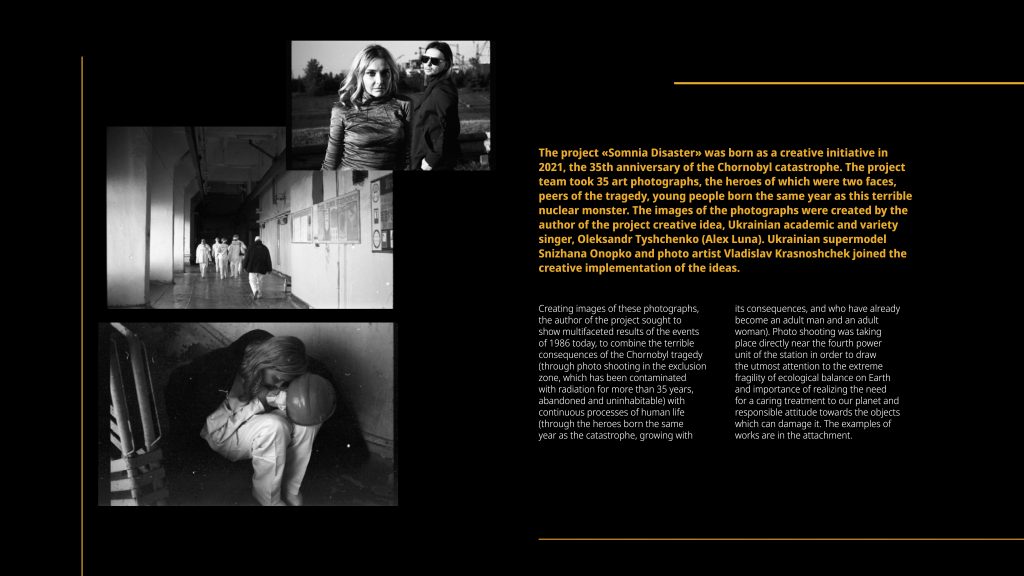
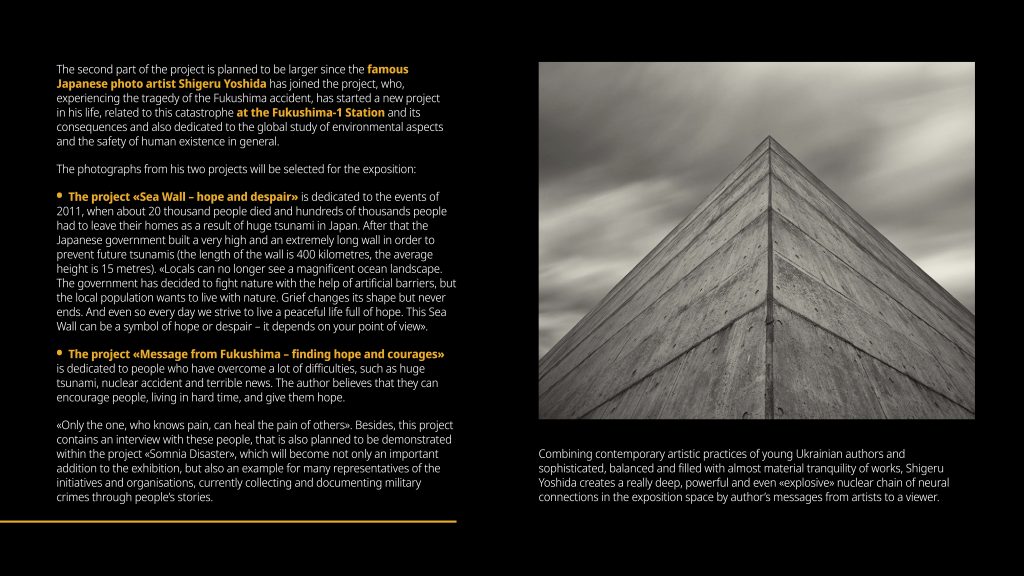
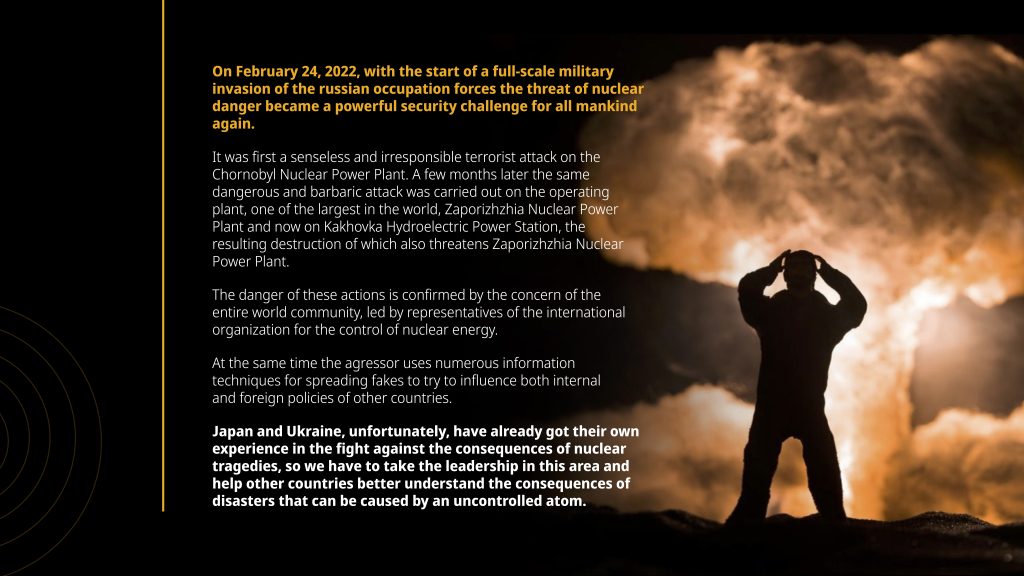
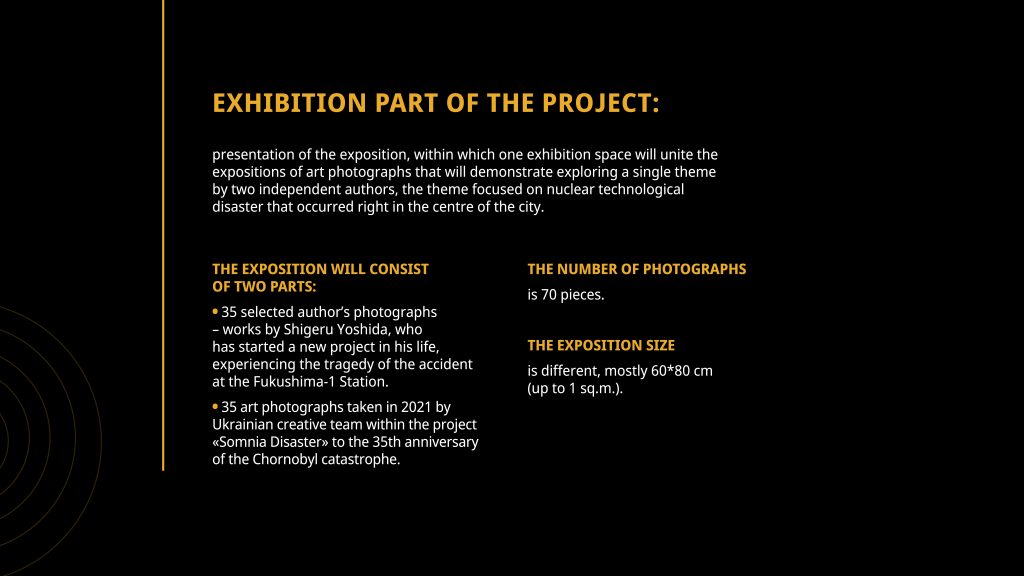
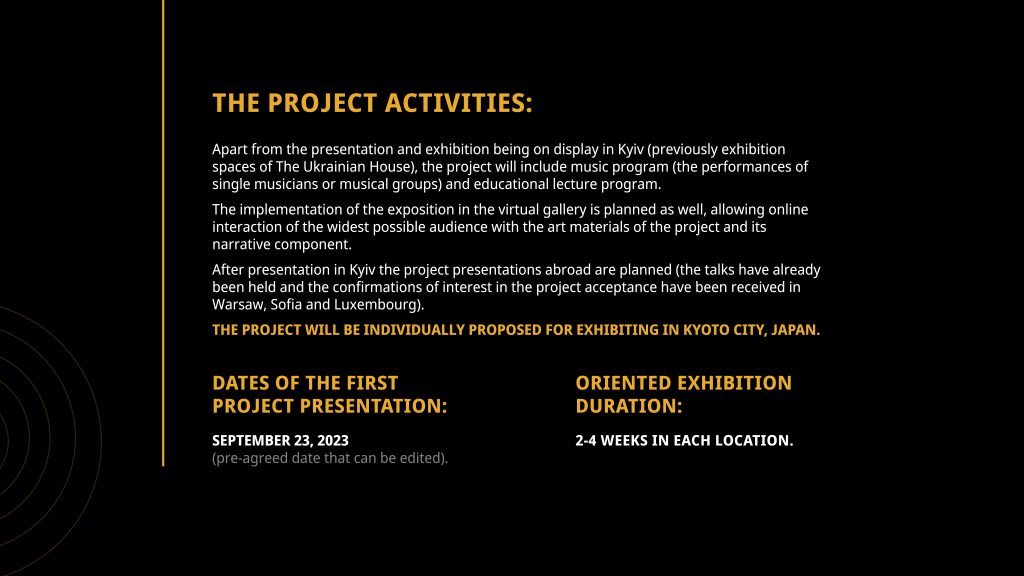
Somnia Disaster Featured In ICTV News
Somnia Disaster Making the News in Korotko Pro
“Somnia Disaster”: Alex
Luna exhibition opened in the Verkhovna Rada
YEVHEN GORIN
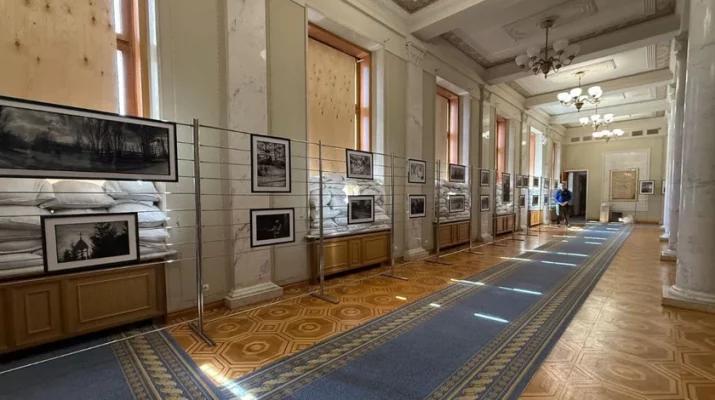
April 29, 2025, Kyiv – On the days of the next anniversary of the Chernobyl disaster, a unique art and documentary exhibition “Somnia Disaster” was solemnly opened in the building of the Verkhovna Rada of Ukraine, under a glass dome. It became one of the central events of this year’s commemorative events and a symbolic reminder of the value of human errors and the responsibility for the future.
The exhibition takes place during the regular session of the parliament.
The Somnia Disaster project combines art, photography, film materials and modern audio installations in Ukrainian and German. Only the photographic part of the project, created by a prominent Ukrainian photo artist, a representative of the Kharkiv School of Photography, Vladyslav Krasnoshchek, is presented in the parliament building.
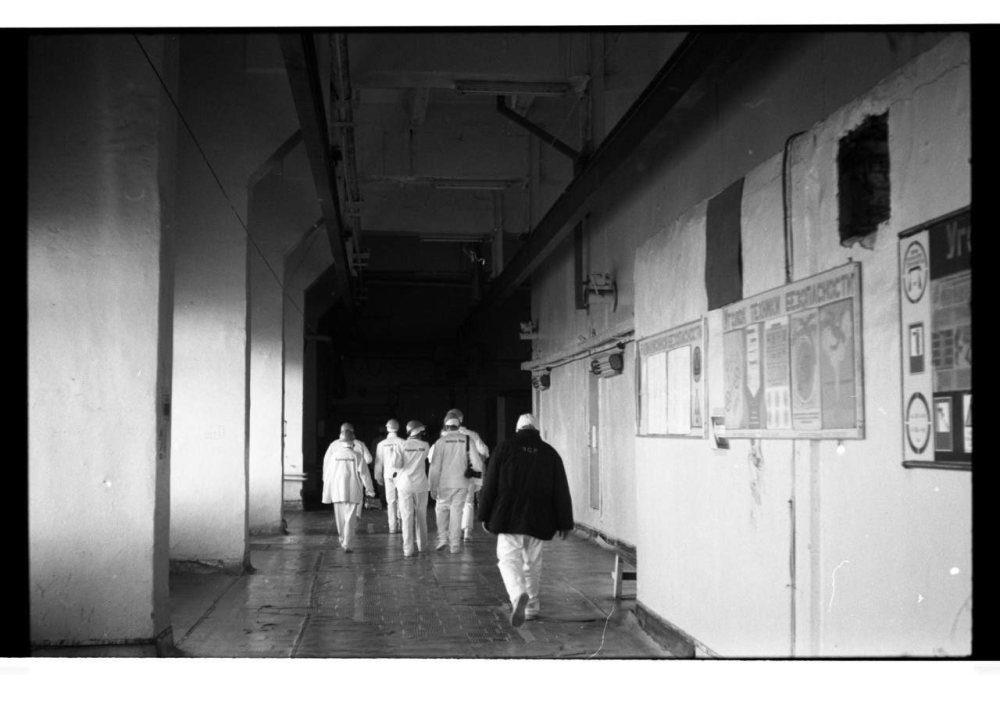
The photos are not only the iconic locations of the Exclusion Zone, but also the same age as the tragedy: the author of the project, opera singer Alex Luna, and Ukrainian supermodel Snizhana Onopko.

Today, the exhibition “Somnia Disaster” is shown in the Verkhovna Rada of Ukraine. Its ideologist Alex Luna, having implemented the project in 2021, sought to emphasize the fragility of life and the importance of remembering it. Probably, he had a “artist’s premonition,” says Tetiana Tsyba, MP and head of the subcommitteee on the protection of the rights of children who suffered as a result of military aggression. After all, today the relevance of this topic has not decreased, but on the contrary, it has acquired a new sound.
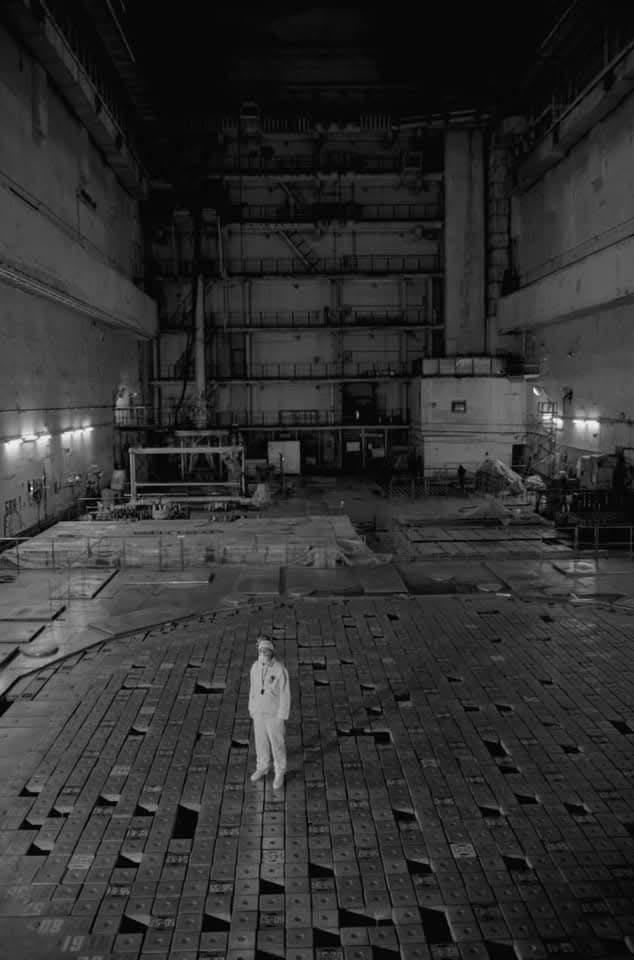
The exhibition “Somnia Disaster” will be available for viewing in the Verkhovna Rada during the week. From June 18, the exhibition will be hosted by the Parliament of the Republic of Bulgaria.
At a time when the world stands precariously close to the threat of nuclear catastrophe, Somnia Disaster emerges as a powerful cultural project that unites two of the most devastating nuclear tragedies in human history: Chernobyl and Fukushima. This exhibition serves not only as a bridge between cultures, but also as a stark reminder of our shared responsibility to prevent such disasters in the future.
Somnia Disaster is being presented in a highly symbolic setting — the Verkhovna Rada of Ukraine (Ukrainian Parliament) — from April 28 to May 2, during an active parliamentary session. Following this, the exhibition will move to the Parliament of Bulgaria from May 14 to May 21, where a major opening ceremony will be held. The event will bring together the Bulgarian Minister of Energy, Minister of Foreign Affairs, members of parliament from Bulgaria and Ukraine, as well as the Ambassadors of Japan and Ukraine, underlining the urgent international relevance of the project.
In an era when nuclear threats loom larger than ever, Somnia Disaster reminds us that memory, dialogue, and cross-cultural cooperation are vital for a safer future.
Listen to the Somnia Disaster podcast on Spotify
We are currently experiencing the greatest nuclear threat, which threatens not only Ukraine, but the entire world. What does it really look like in Ukraine’s largest nuclear power plant? What is the probability of a Chernobyl 2.0? This is what liquidators, military and scientists discuss in this podcast.
Watch Somnia Disaster’s making of featuring Snizhana Onopko and Alex Luna filmed on location
Sofia: Somnia Disaster: Alex Luna’s Haunting Exhibition Arrives in Sofia
Renowned visual artist Alex Luna continues his powerful exploration of the Somnia Disaster with a European tour, shedding light on the haunting legacy of this enigmatic event. Following its impactful debut, the exhibition makes its second stop in Sofia, Bulgaria, where it has already garnered significant media attention. Through a compelling blend of visual storytelling and immersive installations, Luna invites viewers across Europe to confront the surreal and often unsettling dimensions of memory, loss, and collective trauma.
Somnia Disaster Featured in

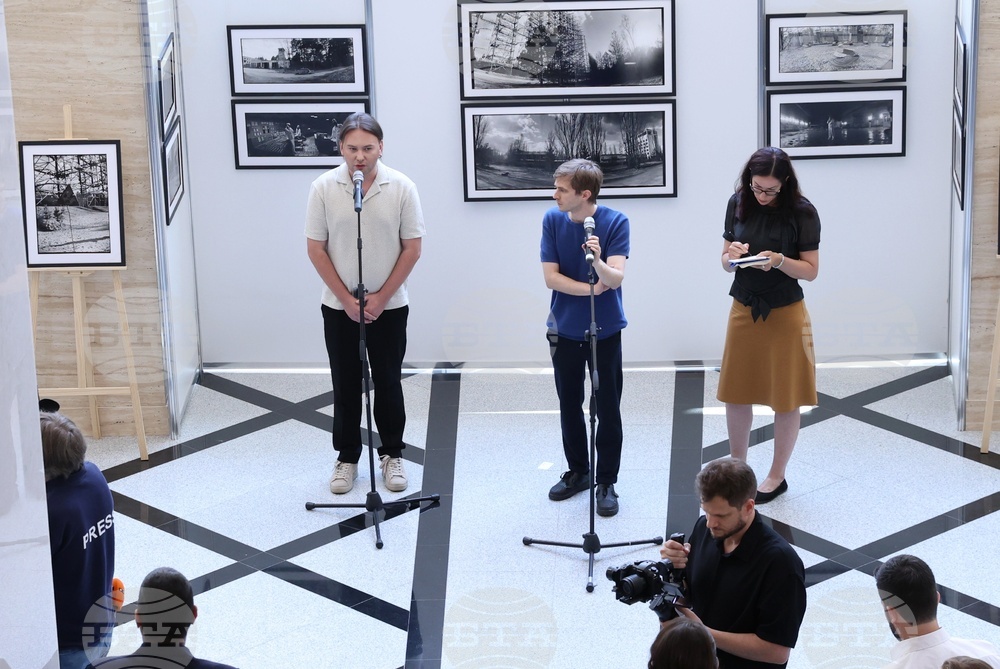

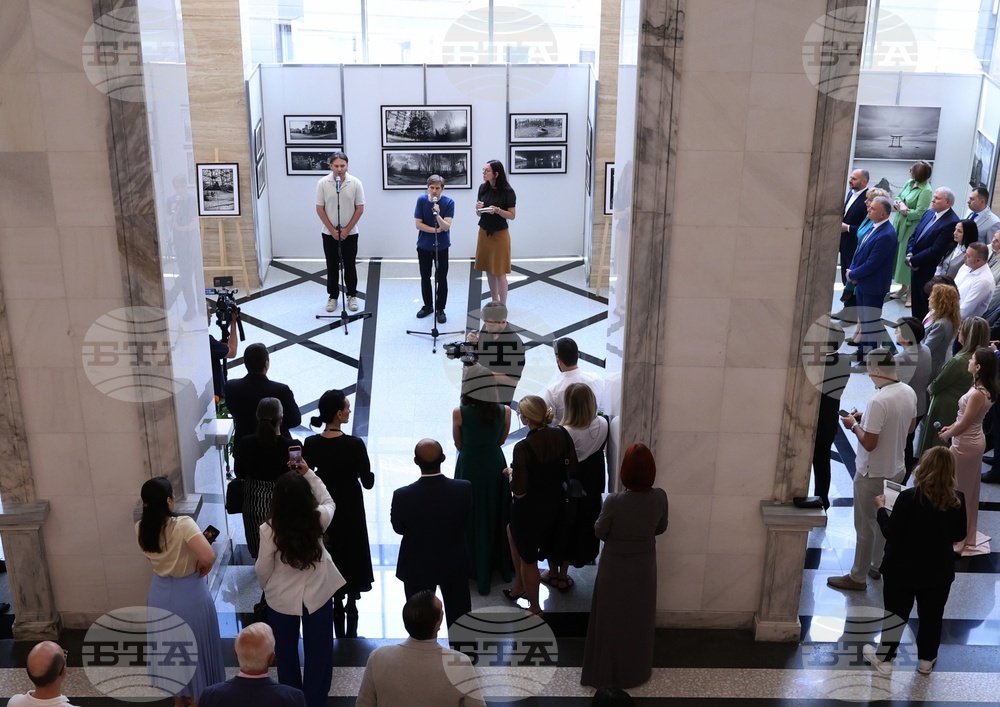
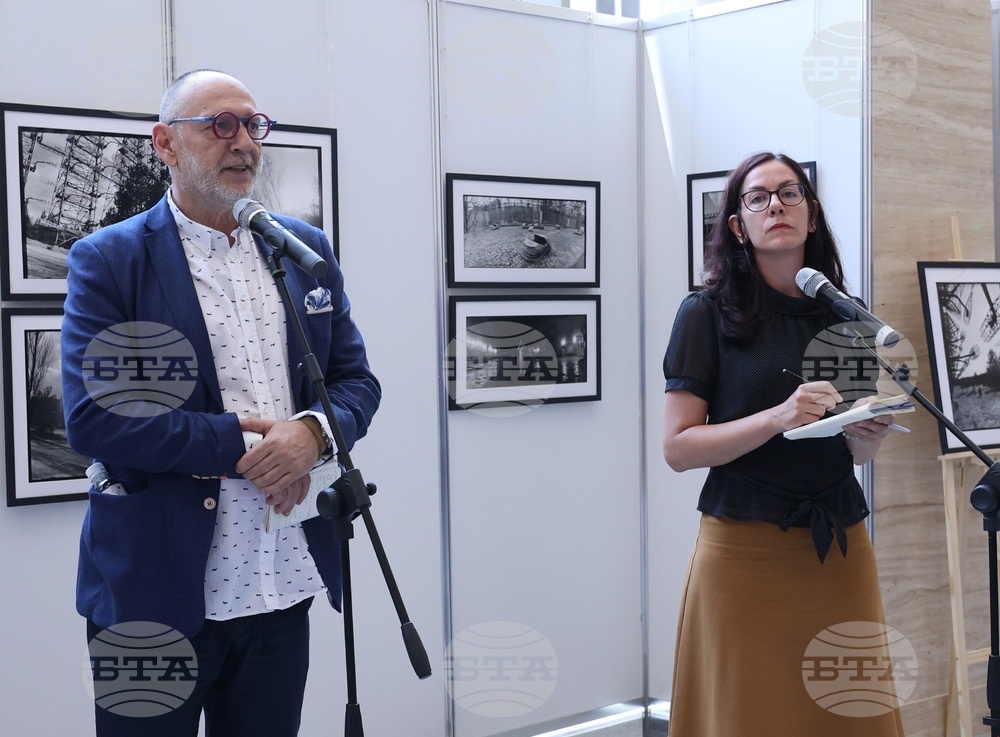
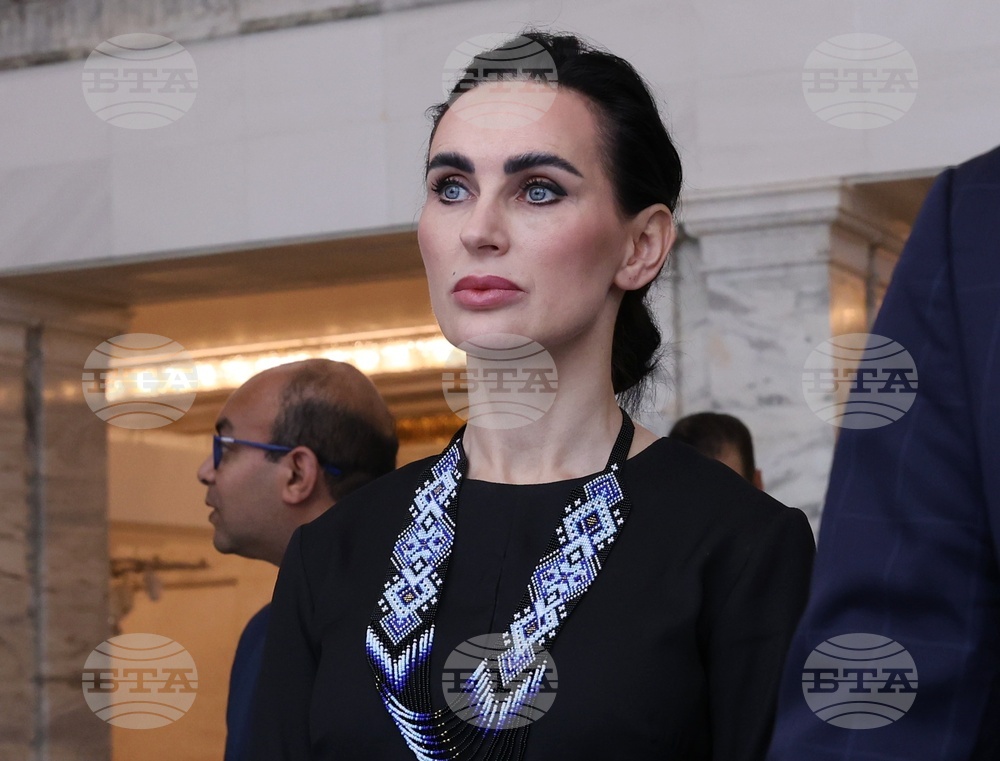
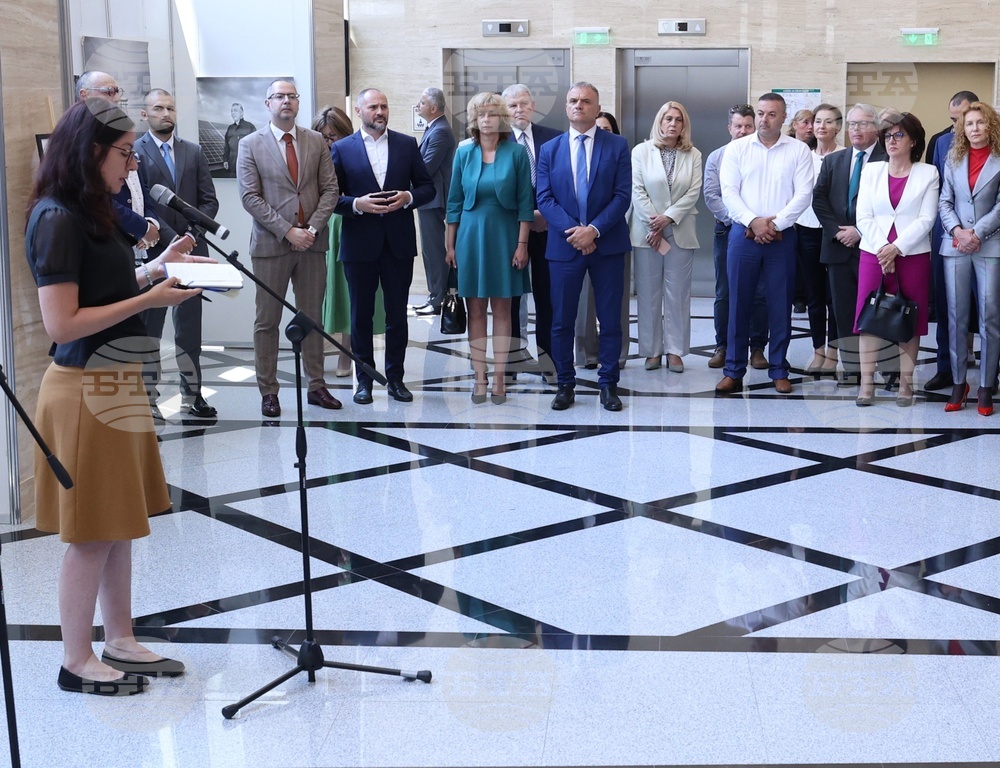
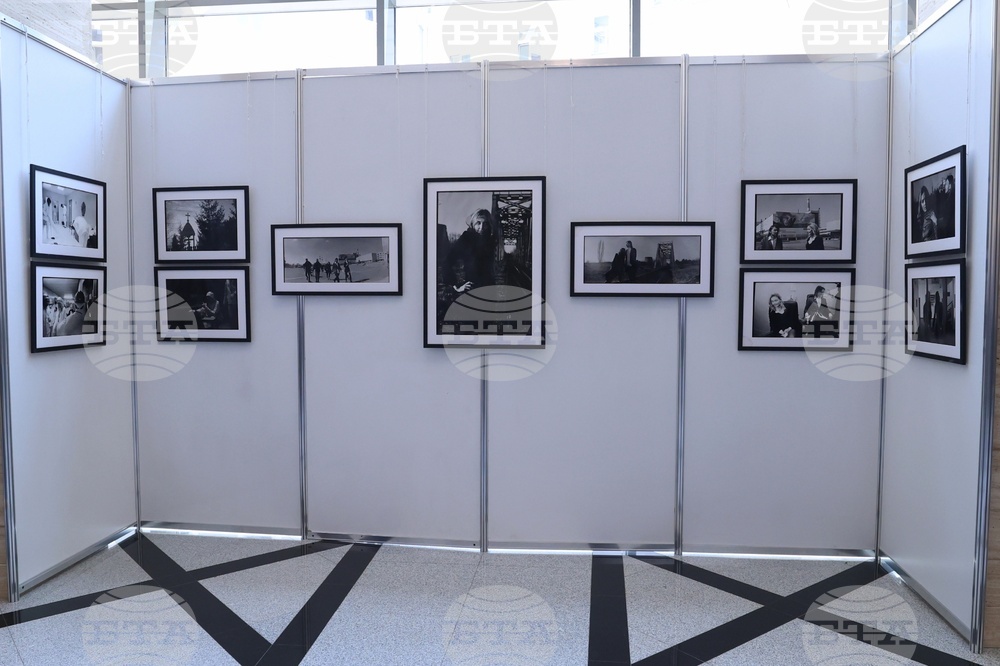
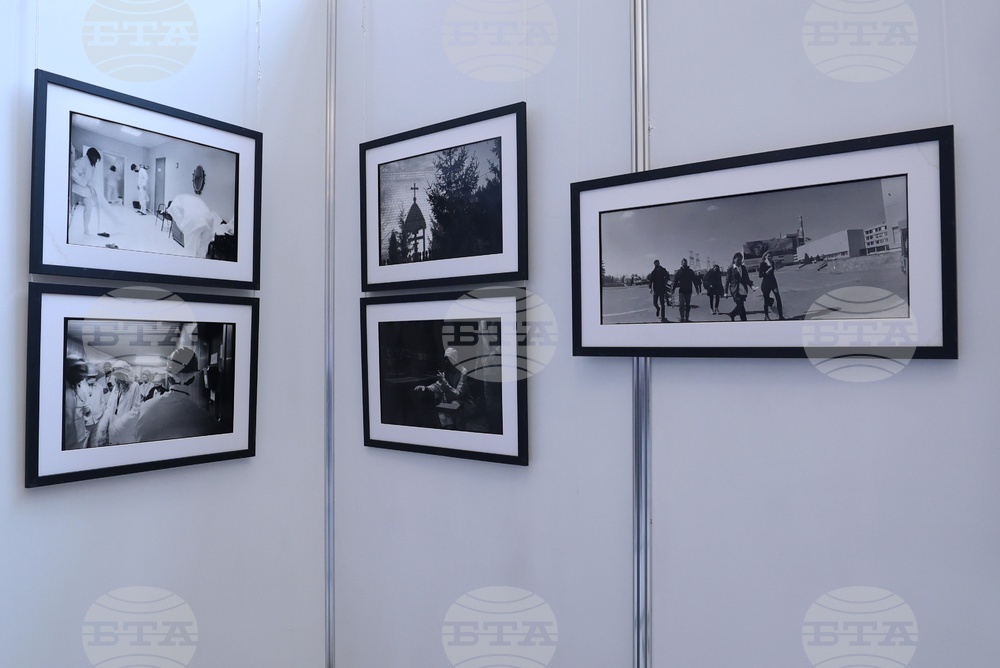
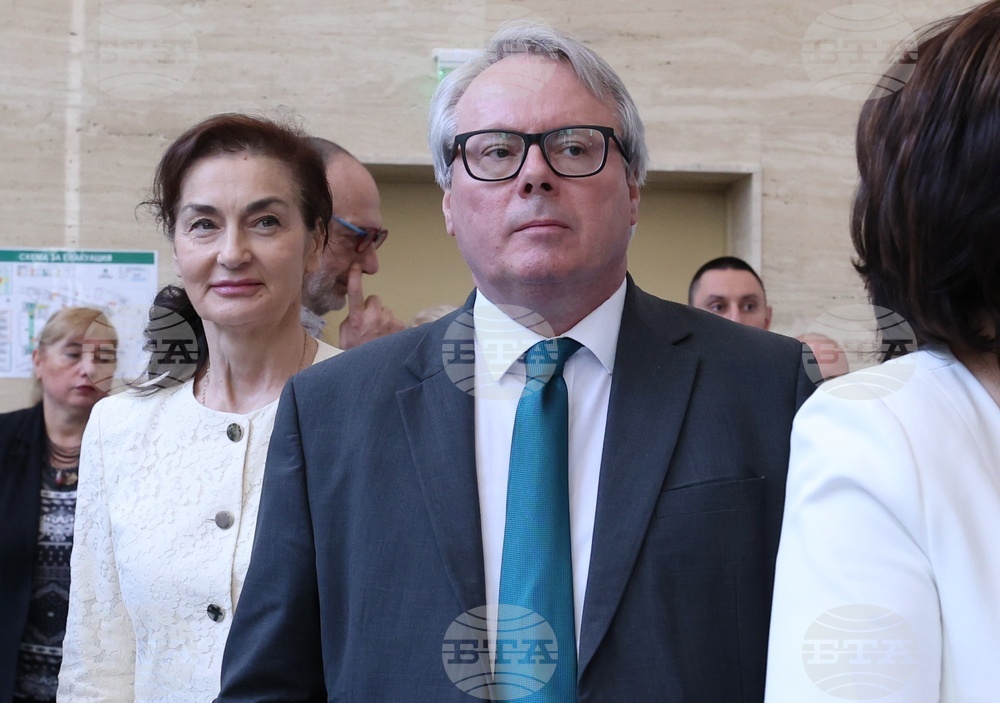
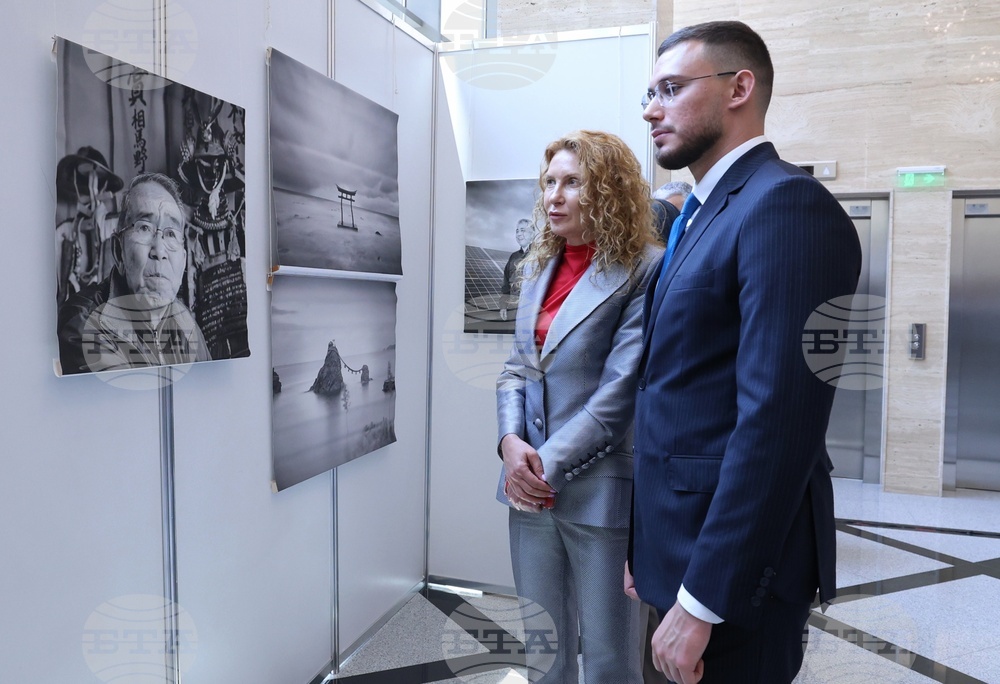
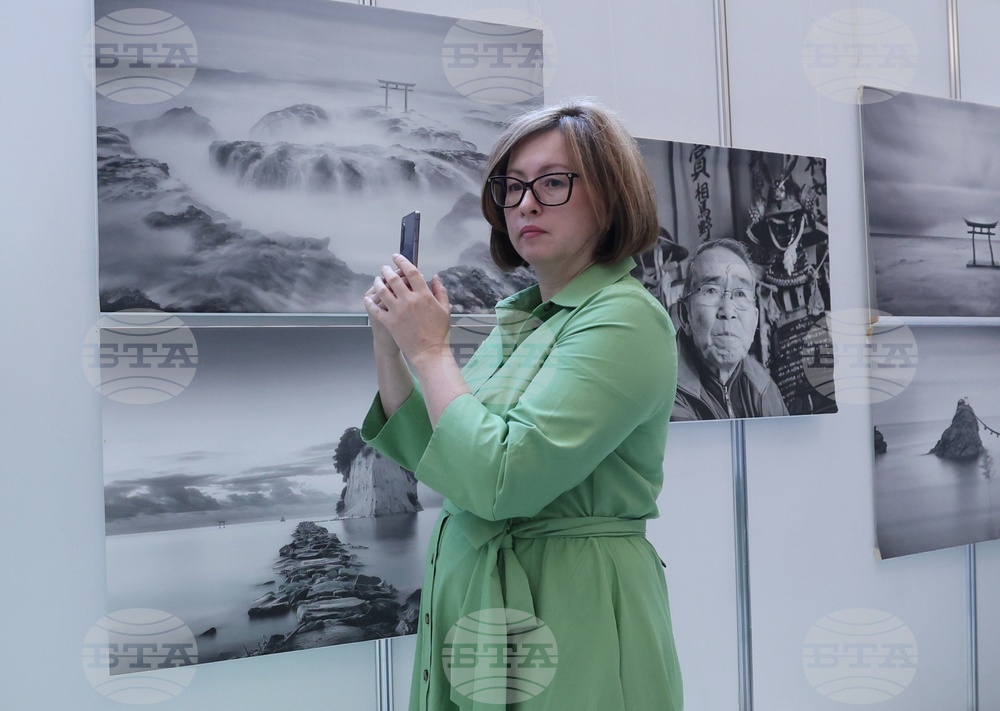
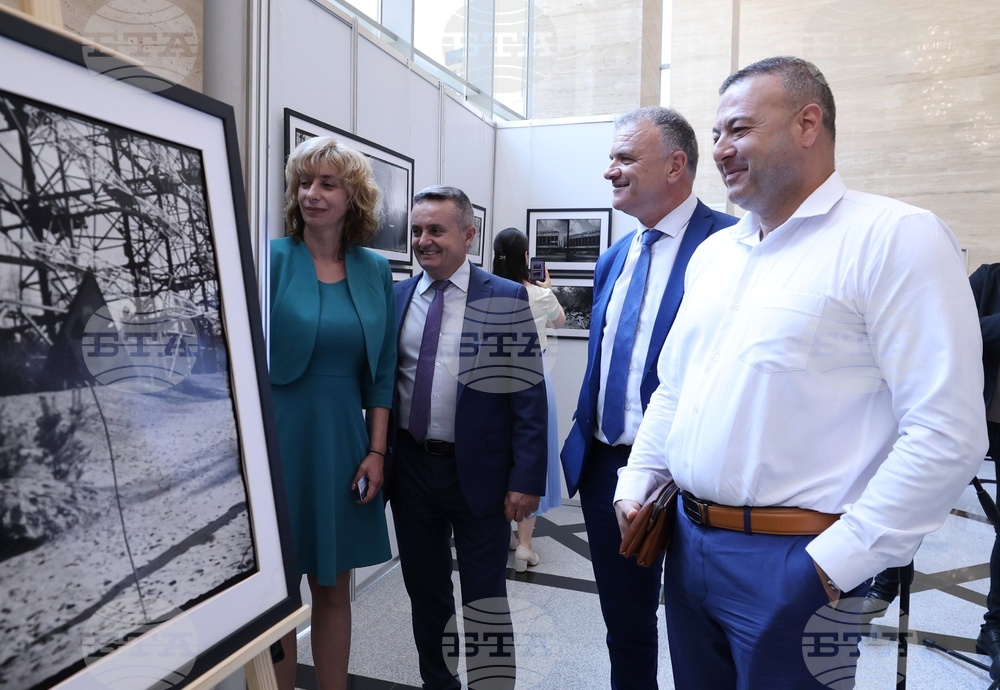
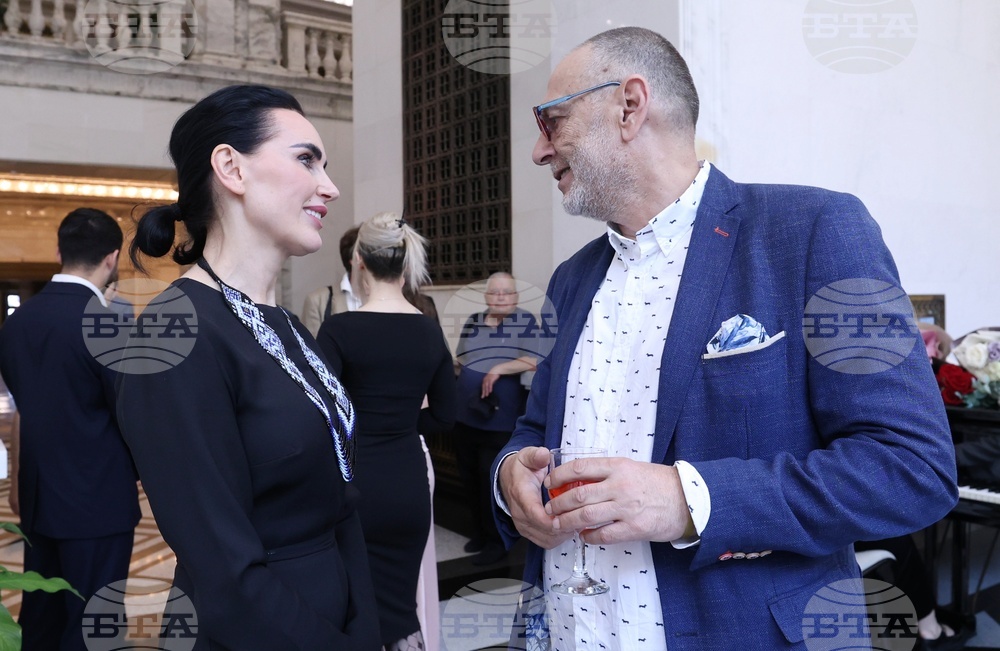
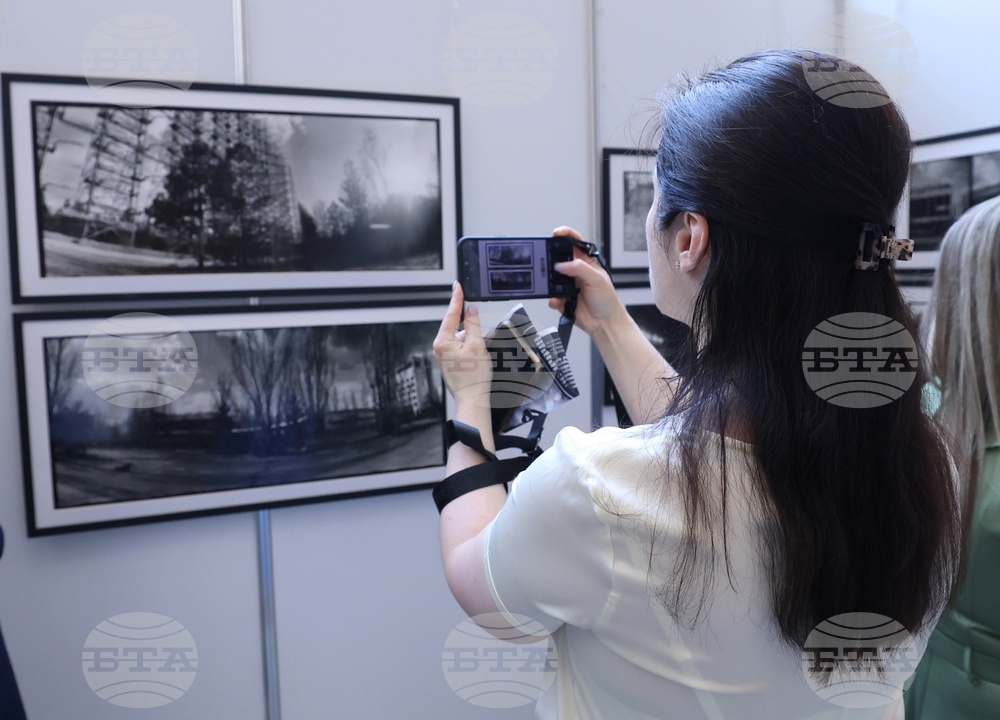
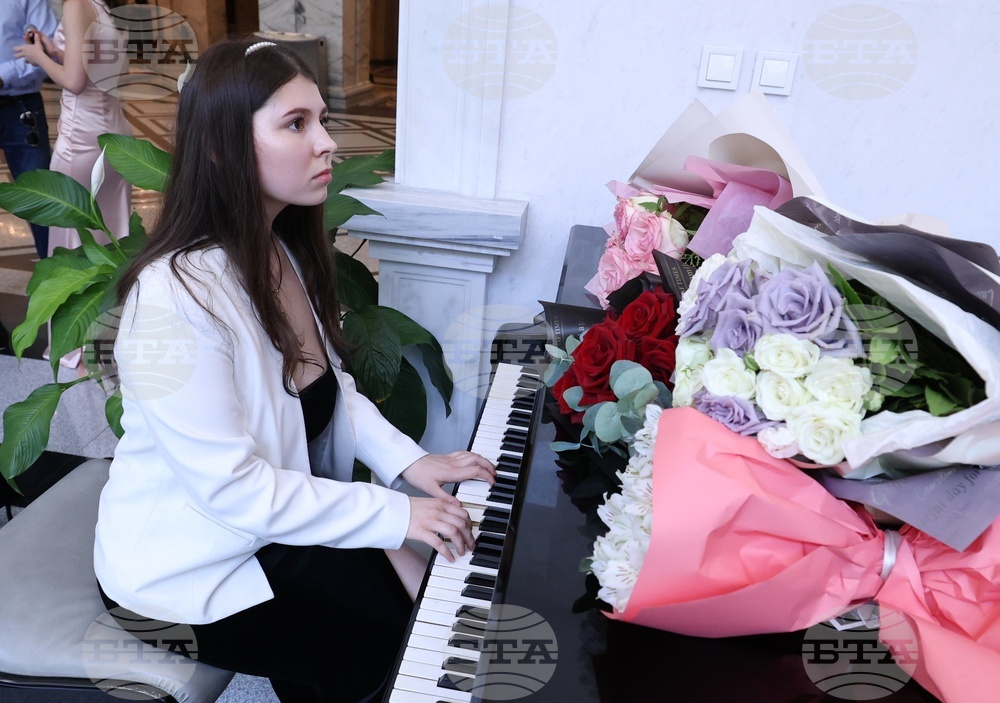
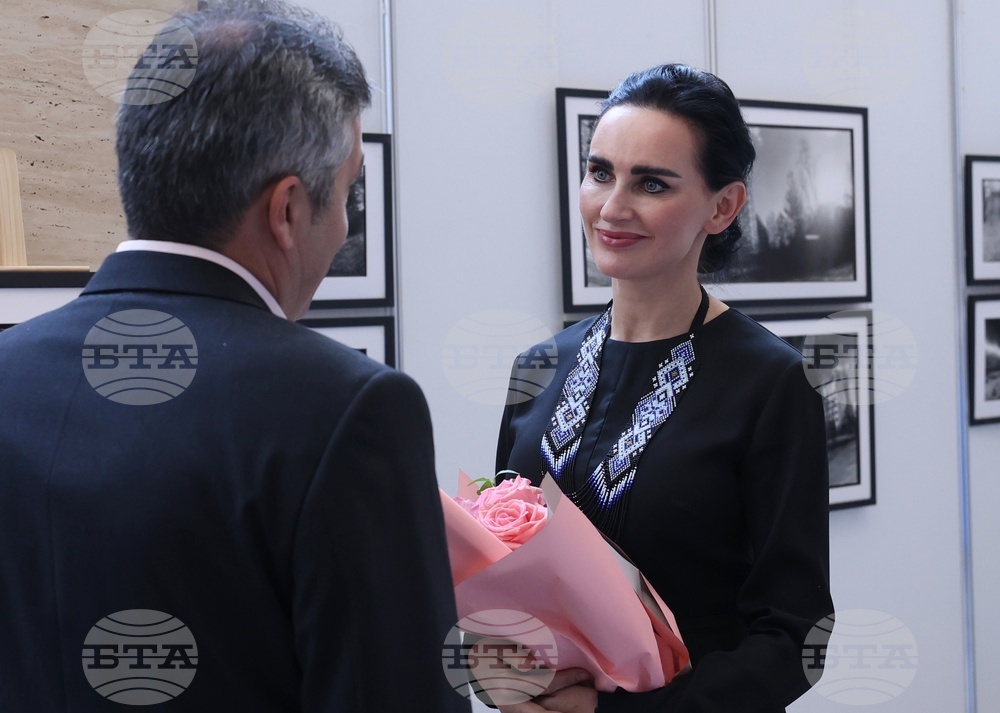
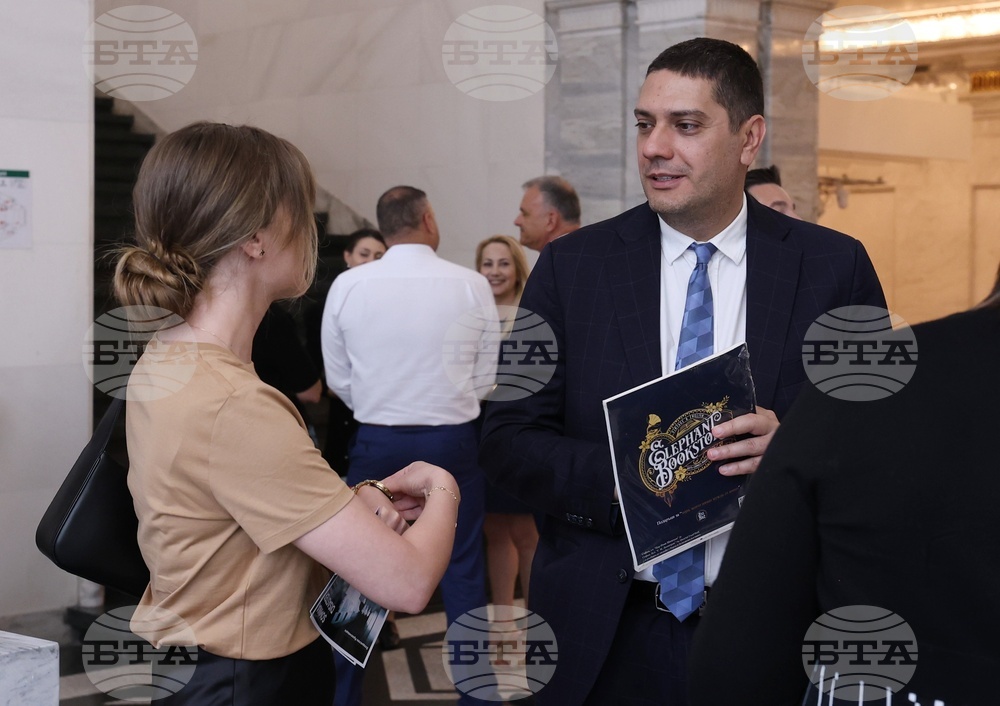
The accidents in Chernobyl and Fukushima are the focus of the documentary exhibition “The Catastrophe of Dreams”, which was opened at the National Assembly. The exhibition includes nearly 40 photographs by Alexander Tishchenko (Alex Luna) and Shigeru Yoshida, which touch on the psychological and aesthetic consequences of two of the largest nuclear accidents in the world. The event was organized on the initiative of MP Lyuben Dilov Jr. and the Chairman of the Parliamentary Committee on Defense and the Bulgaria-Ukraine Friendship Group Hristo Gadzhev.
The exhibition is important for all Bulgarians because our country was one of the countries most affected by the Chernobyl accident, said Lyuben Dilov Jr. According to him, this is also the first artistic bridge of its kind connecting Chernobyl and Fukushima. Lyuben Dilov Jr. pointed out that after the horrific incidents, Japan has created another engineering miracle with the construction of a 400-kilometer wall with an average height of 15 meters to protect the coast, and the Ukrainian people have turned Pripyat and the Chernobyl region into one of the most exotic places in Europe. “The catastrophe of dreams” gives birth to new dreams, not despair, he added. Lyuben Dilov Jr. also recalled the words of Shigeru Yoshida, who says that only the one who knows the pain can cure it and protect others from it.
For his part, one of the authors of the documentary photographs, Alexander Tishchenko (Alex Luna), noted that in these days when the world is facing a nuclear war, there is no higher value than human life, because it defeats any catastrophe. The opening of the exhibition was also attended by MPs, public figures, representatives of the diplomatic corps and journalists.
У Болгарії відкрилася фотовиставка «Somnia Disaster»
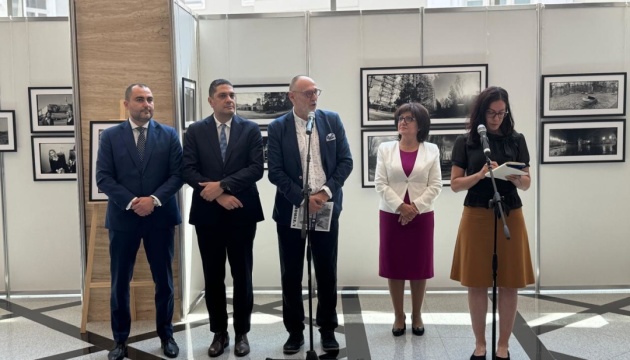
У Народних Зборах Республіки Болгарія 18 червня відбулася церемонія відкриття фотовиставки «Somnia disaster» – спільного артпроєкту українських та японських митців, присвяченого ядерним трагедіям у Чорнобилі, Фукусімі, а також Хіросімі та Нагасакі.
Як передає Укрінформ, про це у Фейсбуці повідомило посольство України в Болгарії.
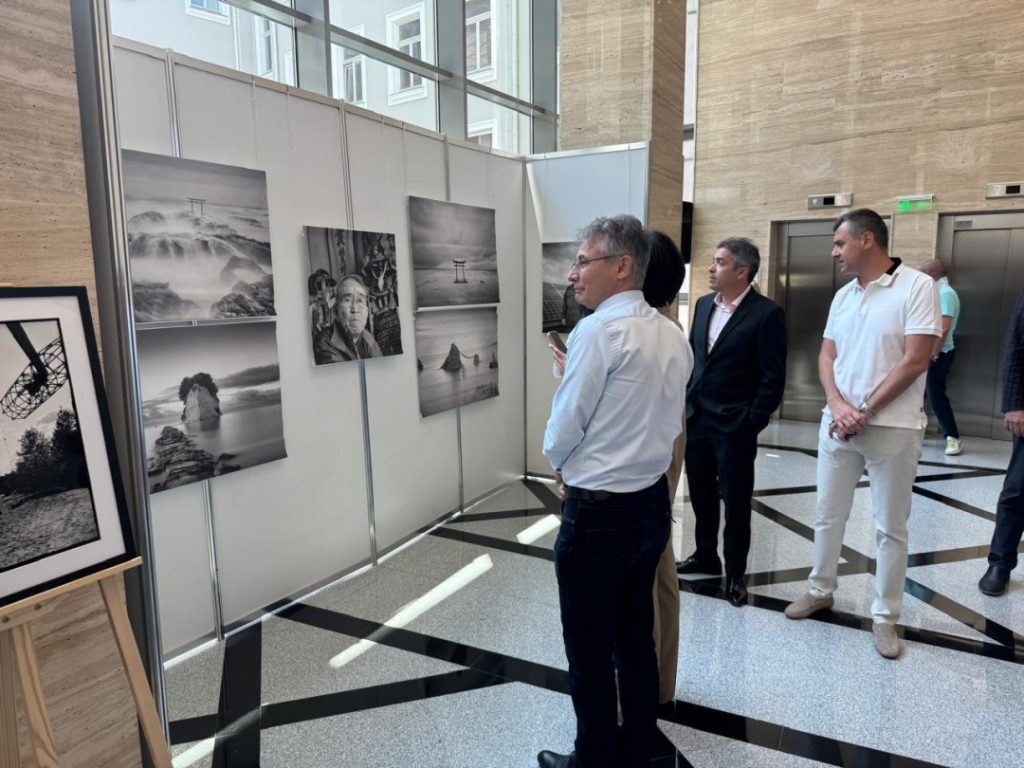
Експозиція унікальним чином об’єднала творчу команду під керівництвом Олександра Тищенка (Alex Luna) та японського фотографа Шіґеру Йошіди. Їхні роботи покликані привернути увагу міжнародної спільноти до проблеми протидії ядерним загрозам та спонукати до посилення міжнародної підтримки України.
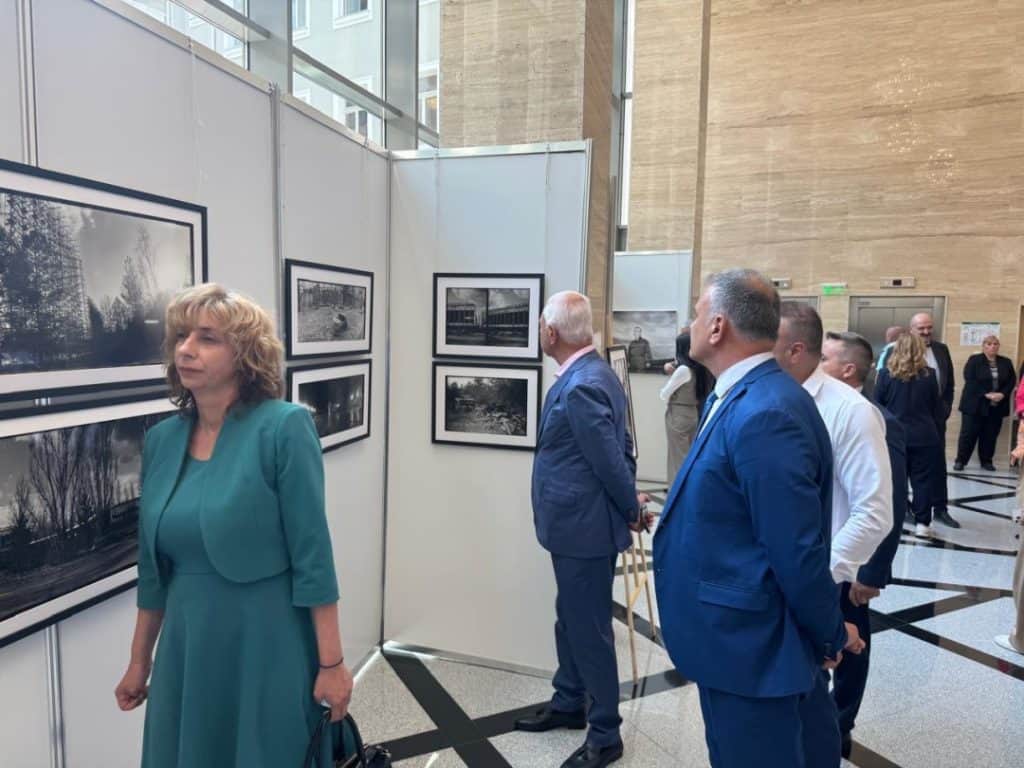
Виставку вдалося реалізувати за підтримки голови Групи дружби “Болгарія – Україна” болгарського парламенту Христо Гаджева та депутата Любена Ділова.
Читайте також: Болгарія продовжила до березня програму підтримки українських біженців
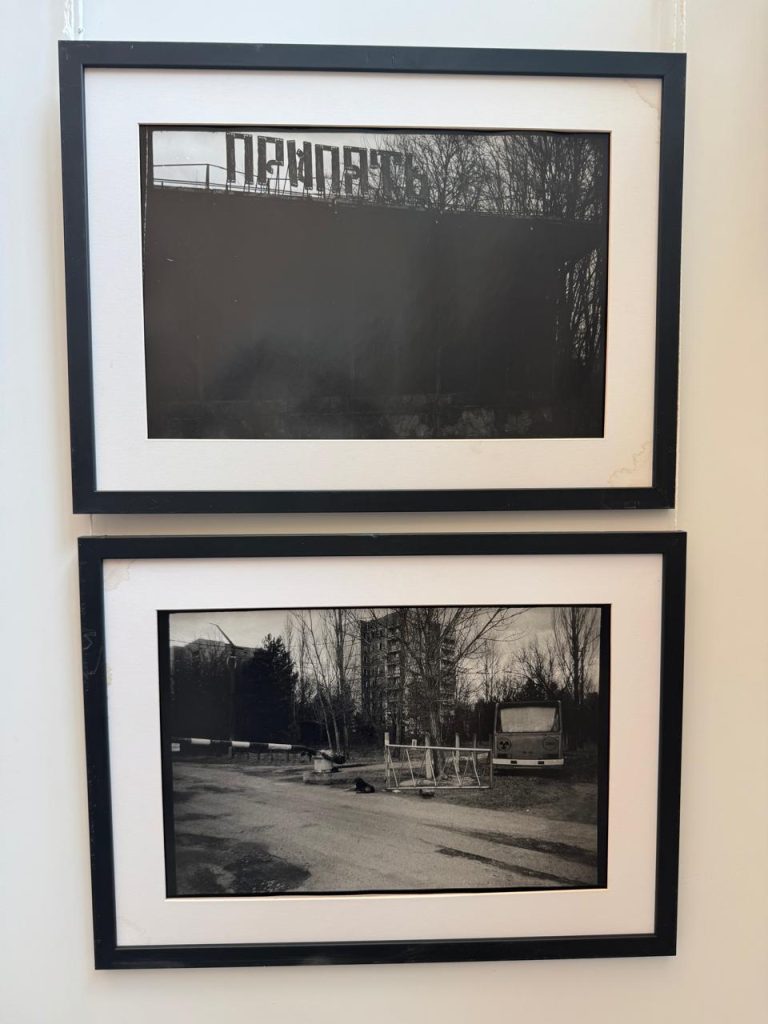
Під час церемонії відкриття болгарські депутати та гості заходу хвилиною мовчання вшанували пам’ять жертв російського ракетного обстрілу України, що стався 17 червня. Внаслідок цього терористичного акту загинуло 28 людей, а понад 130 отримали поранення.
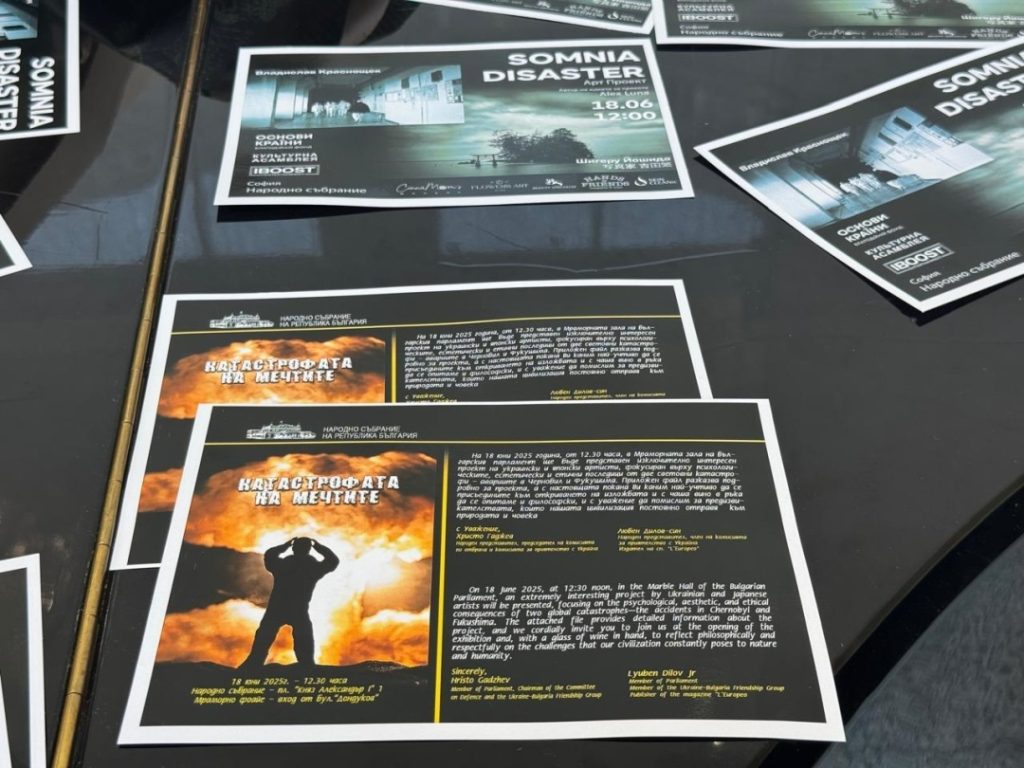
Нагадаємо, 12 червня на площі перед Народним театром ім. Івана Вазова у Софії відкрилася цифрова фотовиставка «Україна: любов + війна» – арт-документальний проєкт, який уперше представлено у Болгарії.
Somnia Disaster Featured In The Bulgarian Media
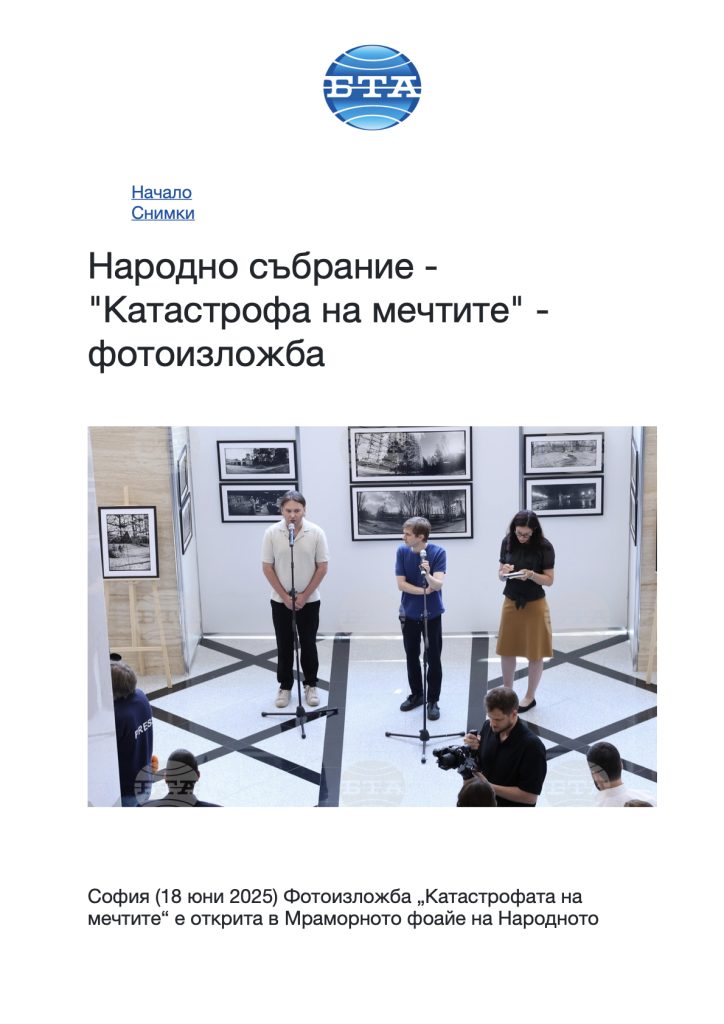

London & Kyiv: Ukraine Foundation and the Institute for War and Peace Reporting Launched Their By-Invitation-Only War and Truth Conversation Series With “Information Warfare: How Foreign Influence Shapes Today’s Conflicts” on October 2, 2025
Disinformation is no longer just a threat -it’s shaping modern conflicts, eroding trust in institutions, and challenging democracies worldwide.
Ukraine Foundation held a by-invitation-only online forum on “Information Warfare: How Foreign Influence Shapes Today’s Conflicts” on 2 October. Top experts and policymakers explored:
• How disinformation undermines security, institutions, and public confidence;
• The intersection of information warfare with modern military strategies;
• The power and responsibility of social media platforms, and;
• Risks of foreign interference in European elections.
Speakers included:
• Louis L. Voiron, Vice Chairman, Ukraine Foundation;
• Maryna Bezkorovaina, Ukraine Country Director, Institute for War and Peace Reporting;
• Dr. Iryna Andrukh, International Advisory Board Member, Ukraine Foundation;
• Ben Heap, Senior Expert, Ukraine Project Lead, NATO Strategic Communications Centre of Excellence;
• Christodoulos Ioannou, Senior Fellow, Hybrid Threats, Counterintelligence and Cognitive Security, Ukraine Foundation, and;
• Jurjis Svirko, European Media Director, Ukraine Foundation.
The event was moderated by Dr. Mariya Heletiy, Vice President, Policy, Ukraine Foundation.
About IWPR
The Institute for War & Peace Reporting (IWPR) is a London and New York-based independent, international non-profit that empowers local voices to drive change in conflict-affected and fragile environments.
It supports journalists, civil society, and communities with training, resources, and platforms to promote accountability, counter disinformation, and strengthen democratic resilience.
Founded in 1991, IWPR operates globally to give people the tools and knowledge to shape their own futures.
Kyiv: Alex Luna Honored with a Certificate of Appreciation by the Speaker of the Ukrainian Parliament, Ruslan Stefanchuk.

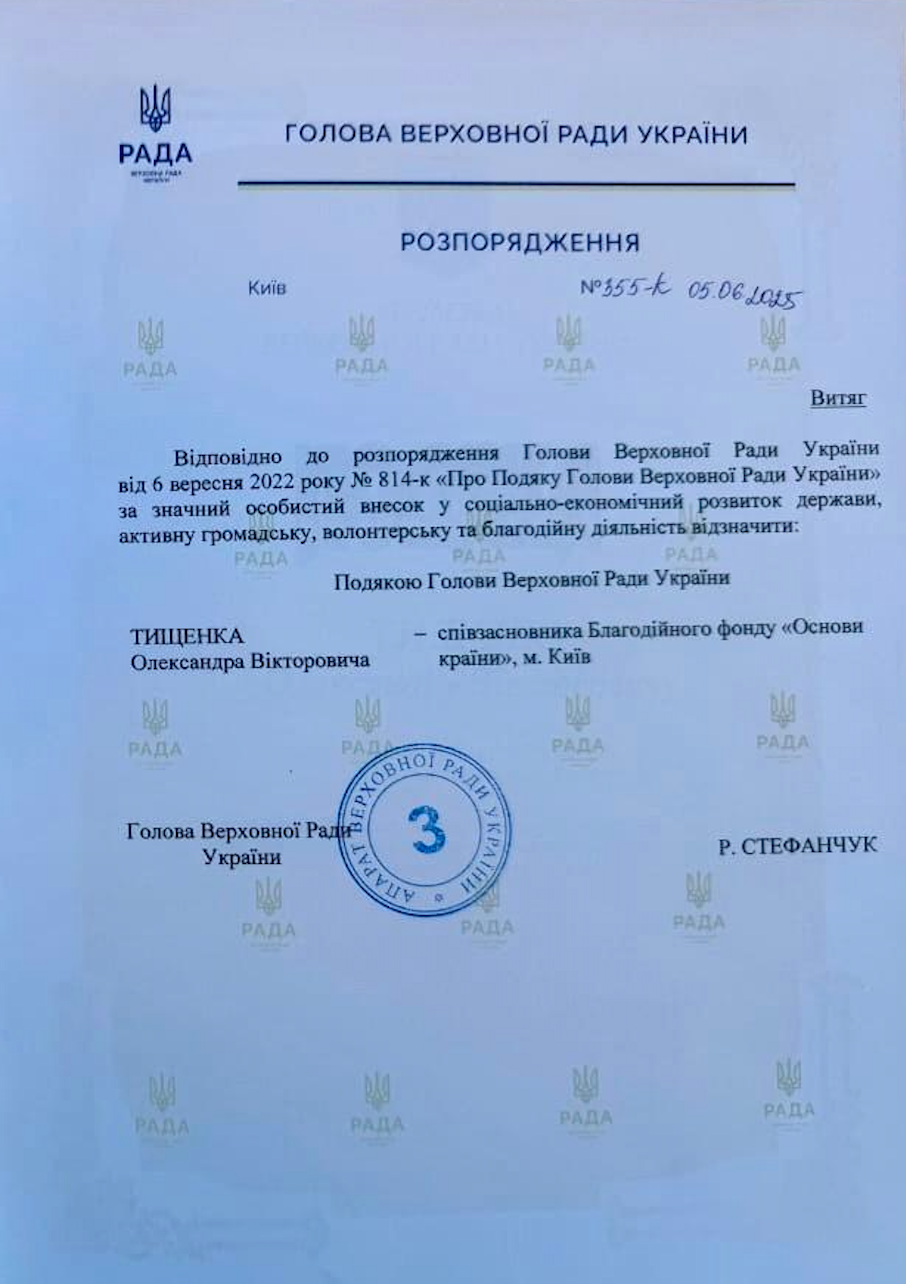
On 12 June 2025, our Vice President for Cultural Diplomacy, Alex Luna, was honored with a Certificate of Appreciation by the Speaker of the Ukrainian Parliament, Ruslan Stefanchuk, in recognition of his outstanding contributions to cultural diplomacy.
Together with acclaimed photographer Vladyslav Krasnoshchek and international supermodel Snizhana Onopko, Alex Luna has been at the forefront of Somnia Disaster—a powerful and thought-provoking exhibition that highlights the ongoing dangers of the Chernobyl disaster and its symbolic and strategic manipulation in the context of the war against Ukraine. The exhibition has already been showcased in the Parliaments of Ukraine and Bulgaria, raising critical awareness among lawmakers and the public alike.
As Somnia Disaster prepares to continue its journey to Prague, the Ukraine Foundation reaffirms its commitment to bringing this vital exhibition to all 27 national parliaments of the European Union—a symbolic and strategic effort to strengthen cultural ties and support Ukraine’s path to EU membership.
Kyiv: Ukraine Foundation’s Senior Fellow for Technology and Cybersecurity, William Dixon, Published in the Latest Edition of the Peer-Reviewed Ukrainian Policymaker Journal.
His article “Ukraine as the Cyber Spanish Civil War” offers an original contribution by applying Thomas Rid’s triad of cyber functions -espionage, sabotage, and subversion- to assess the evolving nature of cyber warfare in Ukraine, showing how each has transitioned from strategic theory to tactical implementation in an ongoing, high-stakes conflict.
Drawing parallels to the Spanish Civil War’s role as a proving ground for innovation, the article positions the Russo-Ukrainian war as a live-fire lab for cyber integration, where cyber capabilities only reach strategic effect when synchronized with kinetic operations -much like how tanks and aircraft in the 1930s only revolutionized warfare when used in coordination. Ultimately, the article argues that Ukraine’s success stems less from technical superiority and more from organizational agility, public-private fusion, and horizontal integration, marking a transformative model of cyber conflict with lessons far beyond the battlefield.
In the coming months, Ukraine Foundation‘s research will continue exploring how cyber operations evolve into a key element of combined arms tactics.
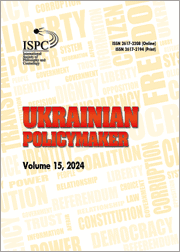
Washington: Ukraine Foundation’s Senior Fellow, Economic Tradecraft & Transatlantic Relations, Dawson Law Briefs Global Experts on U.S. Sanctions Strategy at ISECS 2025.
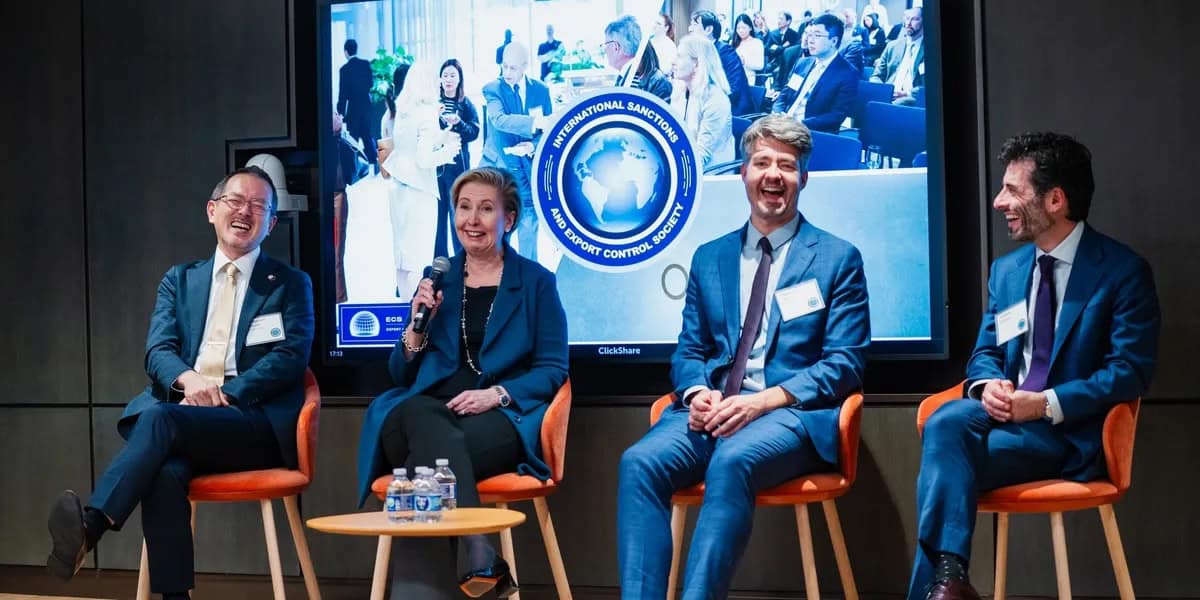
Our Senior Fellow, Economic Tradecraft & Transatlantic Relations, recently participated in the annual fall event of the International Sanctions and Export Control Society (ISECS), held in Washington, D.C. on 21 October 2025.
During the event, Dawson Law delivered the update on behalf of the U.S. Department of the Treasury’s sanctions-policy portfolio, drawing on his experience as the former U.S. Treasury Representative to the United Kingdom and his prior role with the Office of Foreign Assets Control (OFAC).
His presentation focused on the evolving sanctions and export-control landscape -including the interplay between U.S. economic-security tools and transatlantic cooperation- and highlighted implications for states and jurisdictions facing heightened geopolitical risk.
For Ukraine Foundation, Dawson Law’s engagement at ISECS underscores our commitment to connecting Ukraine’s security and resilience agenda with global regulatory and compliance forums. The insights he gathered will inform our ongoing work on economic-statecraft and export-control strategy.
We look forward to publishing a detailed summary of key take-aways from the event and how these may be applied to advancing Ukraine’s economic resilience.
Enhance your journey with Ukraine Foundation’s publications.
- Keep up with our activities and programs.
- Read our exclusive analysis and forecasts.
- Experience the world of collaboration.
Brussels: Yevghen Shulga Addressed Atlas Network’s Europe Liberty Forum 2025
We were honored that our General Secretary, Yevghen Shulgha, was invited to address the 2025 Europe Liberty Forum, hosted by Atlas Network in Brussels on May 22-23.
Atlas Network, a nonpartisan, nonprofit foundation that supports the development and success of pro-freedom organizations throughout the world, connects with almost 500 think tanks in over 100 countries that drive change in ideas, culture, and policy; remove barriers to opportunities; and empower individuals to live a life of choice.
This major gathering brought together economists, policymakers, and leaders committed to advancing economic freedom, individual liberty, and open markets across Europe.
Yevghen Shulgha shared key insights from Ukraine’s Price of the State project, an initiative aimed at making economic policy accessible to everyday citizens. He emphasized the core challenge that even many policymakers struggle to understand basic economic concepts. His proposed rule was simple: always explain economics as if your audience were “a grandma from a village,” avoiding jargon, abstract statistics, and complex logic.
He presented several successful communication tools from the project: visual aids like the Price of the State Calculator and Sankey charts, relatable analogies such as the “$1,500 sandwich” to explain trade, and interactive tools like the Customs Meter Game. These approaches work because they simplify, visualize, and humanize abstract data—translating macroeconomic indicators into real-life impact, such as days of labor or years of development lost. By using surprise, humor, and intuitive comparisons, economic literacy can become not only achievable, but engaging for all.
At a time when Europe confronts new economic and geopolitical pressures, his perspective contribute vital ideas on how to foster growth, innovation and freedom in challenging environments in line with the 500+ member organizations’ commitment to build a freer and more prosperous future for all.
Milan: Natalie Shkarban At Ukraine Recovery Conference’s Milan Preparatory Business Forum

On 5 March 2025, Milan hosted the pivotal “On the Road to URC 2025” business forum, marking a significant milestone in the lead-up to the Ukraine Recovery Conference (URC) scheduled for 10–11 July in Rome. This preparatory event convened over 550 representatives from 23 countries, including government officials, international financial institutions, and private sector leaders, to strategize Ukraine’s post-war reconstruction and economic revitalization.

Keynote speakers included Ukrainian Prime Minister Denys Shmyhal (via video message), First Deputy Prime Minister Yuliia Svyrydenko, Italian Foreign Minister Antonio Tajani, and Lombardy Region President Attilio Fontana. Their addresses underscored the urgency of mobilizing international investment and fostering public-private partnerships to rebuild Ukraine’s infrastructure, energy systems, and industrial base.
Discussions at the forum focused on several strategic areas:
• Investment and Financing: Exploring mechanisms to attract foreign capital, including risk insurance and government incentives.
• Energy Resilience and Green Transition: Promoting sustainable energy solutions and the development of a green energy system in Ukraine.
• Industrial Production and SMEs: Enhancing local manufacturing capabilities and integrating Ukrainian small and medium-sized enterprises into global supply chains.
• Infrastructure and Housing: Reconstructing critical infrastructure and providing housing solutions for internally displaced persons.
The event also highlighted collaborative initiatives such as the partnership between Lombardy and Zaporizhzhia regions and the presentation of a master plan for Mykolaiv’s recovery.
This Milan forum set the stage for the upcoming URC 2025 in Rome, which aims to consolidate international support and secure tangible commitments for Ukraine’s reconstruction efforts.
Bern: The Federal Council Releases Ukraine Country Programme 2025-2028

The Federal Council plans to invest long-term in the reconstruction of Ukraine and is providing CHF 5 billion for this purpose in the period from 2025 to 2036. For the first phase up until 2028, CHF 1.5 billion has been earmarked. This will be financed as part of the IC Strategy 2025–28, and was approved by Parliament in late 2024. For the second phase (2029–36) the Federal Council is reviewing additional sources of financing for the remaining CHF 3.5 billion.
The Federal Council has approved this Ukraine Country Programme 2025–28 for the first phase. It is designed as a strategic framework for the support and reconstruction of Ukraine and implements the legislative program for the period 2023–27 (measure 91). It draws on Switzerland’s long-standing presence in Ukraine and combines established international cooperation instruments, such as humanitarian aid, development cooperation and peace-building with new approaches such as humanitarian mine action and targeted reconstruction. A focal point is Swiss private sector engagement in order to leverage expertise and innovation for the recovery and to mobilize investment.


Through our work, we are not just supporting initiatives — we are creating opportunities for transformative change spanning cultural creativity, economic resilience, public policy, and cross-border collaboration.
Your Support Makes a Difference
Stay updated with everything you need to know about our efforts and how you can support us. Your involvement is crucial in driving the change we aspire to see.