Ukraine Foundation
Inspiring Change, Driving Impact

In a recent interview with the Czech publication Seznam Zprávy, Alex Luna (Oleksandr Tyshchenko), advisor to Ukraine’s National Commission for Radiation Protection and Vice President of Ukraine Foundation, outlined the increasingly fragile state of nuclear security in Ukraine amid Russia’s continuing campaign against the country’s critical infrastructure. His assessment was unequivocal: if the situation has not yet reached a critical point, it is approaching one.
The interview focused on a reality often overlooked in discussions about the war. While public attention frequently centers on the occupied Zaporizhzhia Nuclear Power Plant, Ukraine’s nuclear security challenge extends far beyond a single facility. According to Tyshchenko, Russia’s long-range strike capabilities have effectively eliminated any notion of a safe geographic rear area. All four of Ukraine’s nuclear power plants remain vulnerable to attack.
Nuclear Security Is a European Security Issue
One of the key themes of the discussion was the inseparability of Ukrainian and European nuclear security. A major incident at any Ukrainian nuclear facility would not be confined by national borders. The consequences would affect neighboring countries, regional energy security, and public confidence across Europe.
Tyshchenko emphasized that modern nuclear infrastructure was designed to withstand accidents and technical failures—not sustained military attacks involving missiles, drones, and long-range precision weapons. The damage inflicted on the New Safe Confinement structure at Chornobyl illustrates this challenge. Built to safely isolate the destroyed reactor for generations, the structure was never intended to serve as a fortress against military strikes.
The lesson is significant. Nuclear safety standards developed in peacetime are now being tested in conditions for which they were never designed.
The Zaporizhzhia Challenge
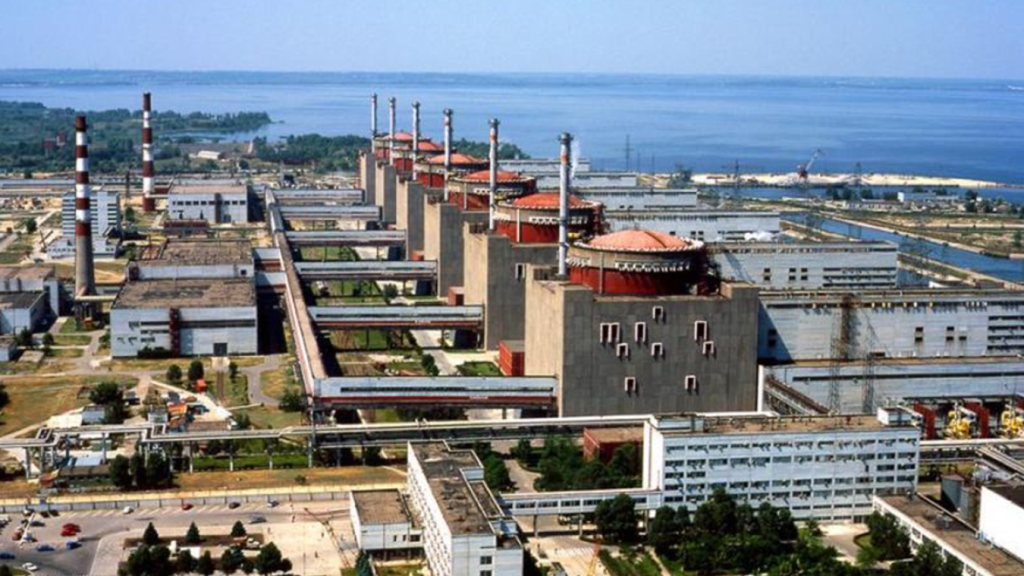
The Zaporizhzhia Nuclear Power Plant remains the most visible symbol of the risks created by the war. Although all six reactors are currently shut down, the facility continues to require stable external power supplies to maintain cooling and essential safety systems. Repeated disruptions to these power connections remain a source of concern.
Tyshchenko noted that a failure of backup systems would not necessarily result in a repeat of the 1986 Chornobyl disaster. However, he warned that a severe accident could still create an environmental catastrophe whose consequences would be felt for decades and potentially extend beyond Ukraine’s borders. The exact impact would depend on meteorological conditions and the nature of the incident.
The discussion also addressed proposals occasionally advanced regarding international administration of the facility. Tyshchenko argued that the technical management of the plant is not the primary obstacle. The fundamental question is security: who can guarantee the safety of personnel operating a nuclear facility while one party to the conflict continues to conduct military operations against Ukrainian infrastructure?
Nuclear Facilities as Instruments of Psychological Pressure
A particularly important aspect of the interview concerned Russia’s use of nuclear-related incidents as instruments of strategic signaling and psychological pressure.
Tyshchenko described attacks associated with the Chornobyl exclusion zone as acts of psychological terrorism intended to exploit the enduring emotional impact of the 1986 disaster. Any incident involving Chornobyl immediately attracts international attention and generates public anxiety far beyond Ukraine’s borders. According to his assessment, this effect is not incidental but forms part of a broader strategy aimed at shaping perceptions and influencing international responses.
This observation reflects a wider trend visible throughout the war: critical infrastructure is targeted not only for its operational value but also for its psychological and political impact.
Resilience Under Continuous Threat
The interview also addressed Ukraine’s preparedness for radiological and nuclear contingencies. Tyshchenko cautioned against unrealistic expectations. No large European country can be fully protected against a nuclear attack or entirely shield its population from such risks. Nevertheless, Ukraine has accumulated practical experience in protecting and operating nuclear infrastructure under conditions of sustained military pressure.
This experience is unprecedented in modern Europe. For more than four years, Ukrainian authorities, operators, and emergency services have had to manage nuclear facilities while facing regular missile and drone attacks from one of the world’s largest military powers.
Lessons for Europe
The broader lesson emerging from Tyshchenko’s assessment is that the war in Ukraine has fundamentally altered assumptions about nuclear security. Traditional safety models were built around technical failures, natural disasters, and industrial accidents. They were not designed around the deliberate targeting of nuclear-related infrastructure during a major interstate conflict.
As Europe debates energy security, resilience, and defense preparedness, Ukraine’s experience demonstrates that nuclear security can no longer be treated as a purely technical matter. It has become an integral component of national security, critical infrastructure protection, and strategic deterrence.
The risks facing Ukraine’s nuclear sector are therefore not solely Ukrainian risks. They are a warning about the vulnerabilities that modern societies must address in an era where military, technological, and psychological dimensions of conflict increasingly overlap.
Tirana: Ukraine Foundation Vice President Alex Luna Participates in Public Diplomacy Initiatives During Ukraine–Southeastern Europe Ministerial Events
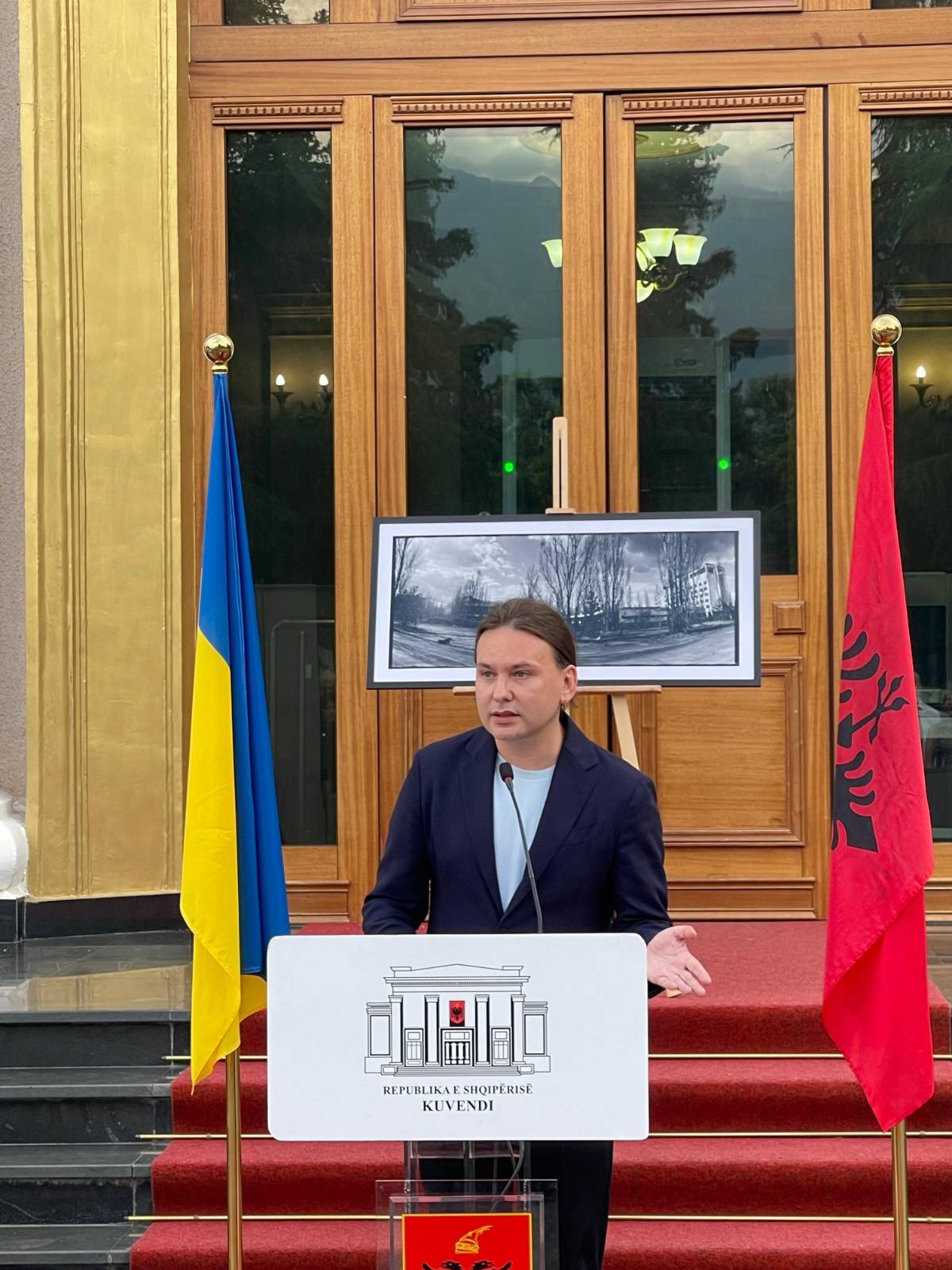
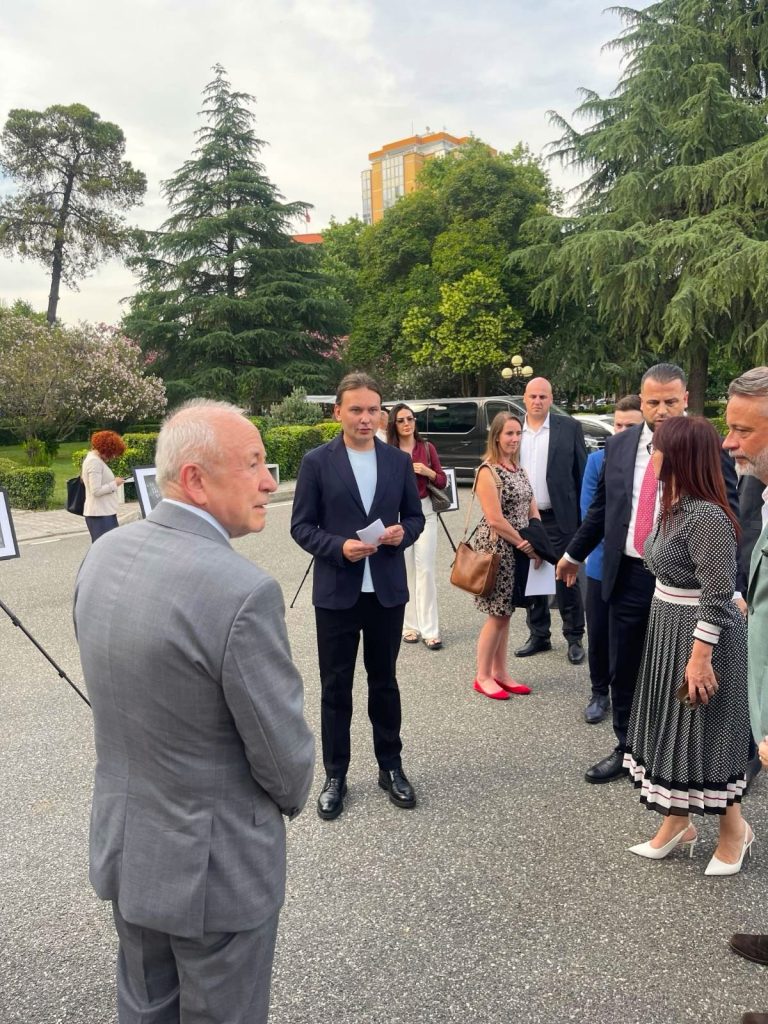
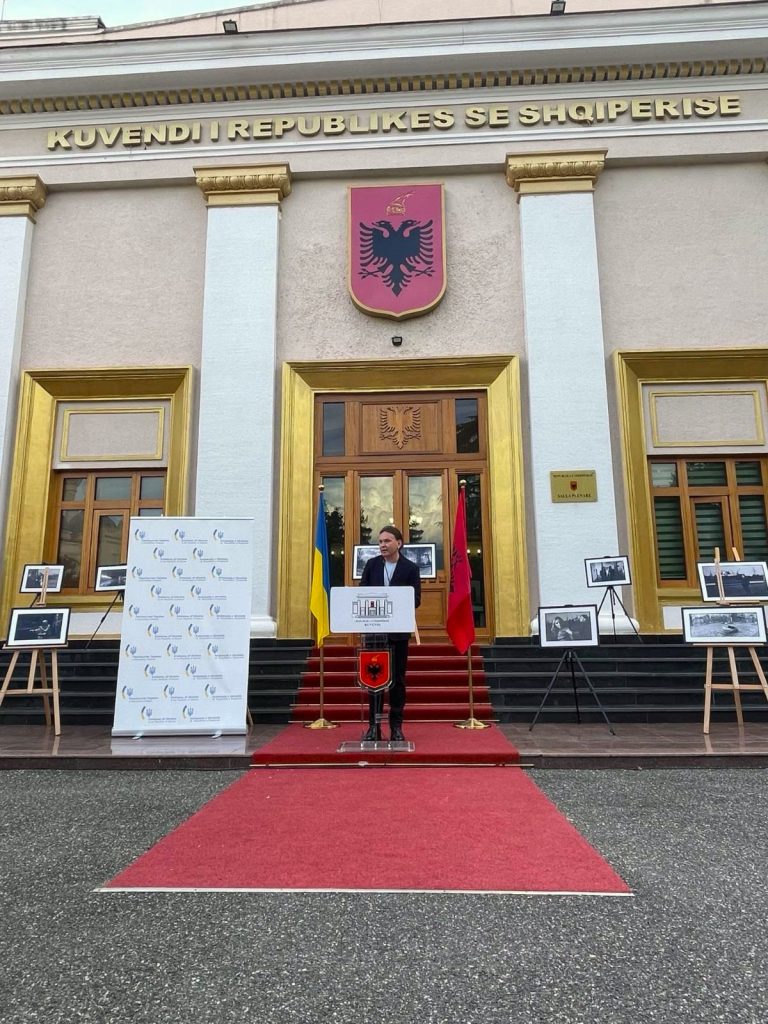
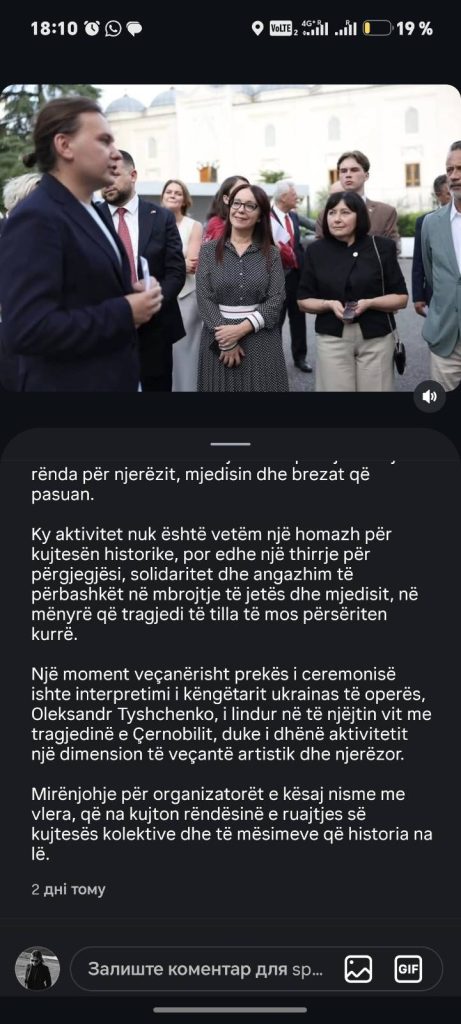
As foreign ministers from across Southeastern Europe gathered to discuss security, reconstruction, and regional resilience at the Ukraine–Southeastern Europe Ministerial Meeting in Tirana, Ukraine Foundation’s Vice President Alex Luna convened senior Albanian parliamentary leaders, diplomats, government officials, and international guests gathered at the Parliament of Albania for the opening of Somnia Disaster, a major Ukrainian photographic exhibition commemorating the 40th anniversary of the Chornobyl disaster.
The exhibition, organized by the Embassy of Ukraine in the Republic of Albania in cooperation with the Parliament of Albania, became one of the most visible public diplomacy initiatives accompanying a week of high-level discussions on regional security, resilience, reconstruction, energy security, and Ukraine’s European future. It reinforced Ukraine’s message of international partnership, historical memory, and democratic resilience.
Held under the theme “Shared Challenges, Shared Future: Ukraine and Southeastern Europe for a Secure and Stable Europe,” the ministerial reflected the growing recognition that the security of Ukraine and that of Southeastern Europe are increasingly interconnected. Alongside official diplomatic discussions, cultural and educational initiatives provided an opportunity to engage broader audiences and reinforce the importance of international partnership, historical memory, and democratic resilience.
Ukraine Foundation Vice President for Public and Cultural Diplomacy Alex Luna (Oleksandr Tyshchenko) participated in the opening event as a featured guest and presenter, contributing to discussions on historical memory, international cooperation, and the contemporary relevance of the lessons derived from Chornobyl.
Public Diplomacy at the Parliament of Albania
Hosted within the Parliament of Albania, the opening ceremony brought together senior representatives of government, parliament, diplomacy, and civil society.
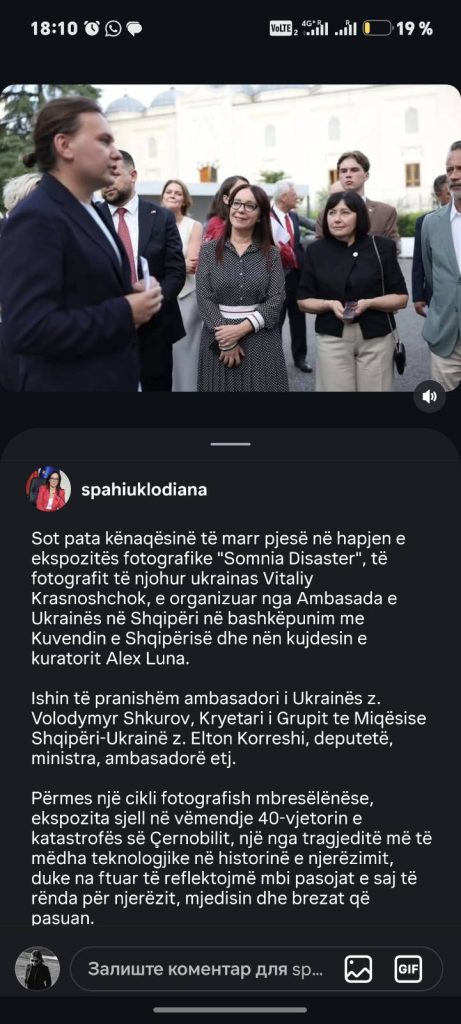
Among those participating were Vice Speaker of the Parliament of Albania Klodiana Spahiu; Ambassador of Ukraine to Albania Volodymyr Shkurov; Chairman of the Albania–Ukraine Friendship Group Elton Korreshi; representatives of the Albanian Government and Parliament; members of the diplomatic corps accredited in Tirana; and distinguished guests from the academic, cultural, and public sectors.
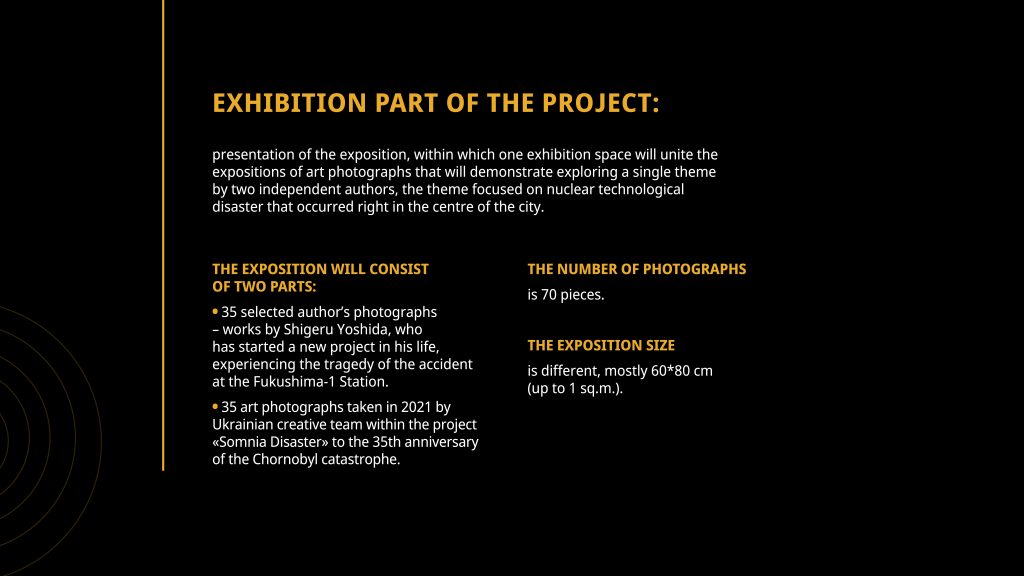
The exhibition featured thirty-five photographic works by Ukrainian photographer Vitalii Klymasiuk documenting the human, environmental, and societal consequences of the 1986 nuclear catastrophe. Through visual storytelling and documentary photography, Somnia Disaster explored the enduring impact of Chornobyl while encouraging reflection on the responsibilities of governments, institutions, and societies in addressing complex technological and environmental risks.
The event received extensive coverage from Albanian national media and public institutions, including the Albanian Telegraphic Agency (ATA), Albanian public broadcaster RTSH, the Parliament of Albania, and a number of regional and international outlets. The level of attention reflected the significance attributed to the exhibition’s educational and commemorative mission, as well as the broader relevance of Ukraine’s historical experience to contemporary security discussions.
Particularly noteworthy was the public message issued by Vice Speaker Klodiana Spahiu following the opening, emphasizing remembrance, solidarity, and the importance of preserving historical memory as a foundation for responsible leadership and international cooperation.

Chernobyl’s Relevance in Today’s Security Environment
Forty years after the disaster, Chernobyl remains more than a historical event. Its lessons continue to inform discussions on nuclear safety, critical infrastructure protection, crisis management, and societal resilience.
Russia’s full-scale war against Ukraine has underscored the vulnerability of energy infrastructure and nuclear facilities during armed conflict. The occupation of the Chernobyl Exclusion Zone in 2022, continued threats to Ukraine’s energy system, and ongoing concerns surrounding nuclear safety have reinforced the importance of maintaining international attention on these issues.
Against this backdrop, Somnia Disaster served not only as a commemoration of a defining moment in modern history but also as a platform for reflection on contemporary challenges facing Ukraine and Europe.
The exhibition linked historical experience with present-day policy considerations, providing an opportunity to discuss resilience, accountability, and the protection of critical infrastructure in an increasingly complex security environment.
Strengthening Ukraine–Southeastern Europe Cooperation
The Ukraine–Southeastern Europe Ministerial Meeting highlighted the importance of regional cooperation in addressing shared challenges and advancing common interests.
As Europe confronts evolving security, economic, technological, and geopolitical challenges, resilient partnerships among governments, civil society organizations, academic institutions, and international stakeholders will remain essential. Cultural diplomacy initiatives such as Somnia Disaster complement official diplomatic engagement by fostering public understanding, strengthening international dialogue, and preserving historical memory.
The presence of senior Albanian parliamentary leadership, Ukrainian diplomatic representatives, members of parliament, and international guests at the exhibition underscored the growing importance of public diplomacy as a component of Ukraine’s engagement with Southeastern Europe.
For Ukraine Foundation, such initiatives remain an integral part of a broader mission to promote informed international cooperation, support democratic resilience, and strengthen understanding of Ukraine’s experience among partners throughout Europe and beyond.
The events in Tirana demonstrated how policy dialogue, cultural engagement, and public diplomacy can work together to reinforce the partnerships necessary for a more secure, resilient, and united European future.
- Albanian Parliament Hosts Somnia Disaster Photo Exhibition on Chornobyl Anniversary (Albanian Telegraphic Agency)
- Exhibition on Chornobyl Opens in the Parliament of Albania (Parliament of Albania)
- Somnia Disaster Brings the Memory of the Nuclear Tragedy to the Albanian Parliament (RTSH – Albanian Public Broadcaster)
- Photographic Exhibition Somnia Disaster Opens in Parliament on the 40th Anniversary of the Chornobyl Disaster (Tirana Diplomat)
Chernobyl: Alex Luna Contributes to Verkhovna Rada’s Committee Meeting at Chernobyl Exclusion Zone
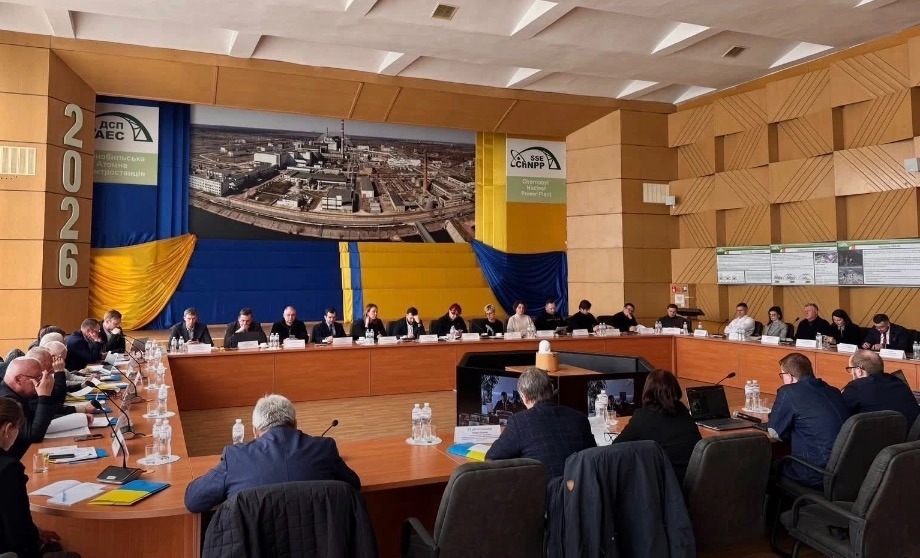
Our Vice President Alex Luna, recently took part in an on-site meeting organized by the Verkhovna Rada of Ukraine’s Committee on Social Policy and the Protection of Veterans’ Rights at the Chernobyl Exclusion Zone. The event honored the memory of the Chernobyl accident liquidators, whose heroic efforts continue to have a profound impact on the present, not just history. The meeting highlighted the critical importance of acknowledging and addressing the ongoing needs of those who risked their lives to prevent further disaster.
This candid conversation covers a range of topics—from geopolitical analysis and the transformation of Southeast Europe to the enduring symboThe session, chaired by Galina Tretyakova, brought together a diverse group of stakeholders, including fellow MPs from various committees, Minister of Social Policy Denys Ulyutin, Deputy Minister Inna Solodka, leaders from the Pension Fund, the Accounting Chamber, and the Fund for Persons with Disabilities. Representatives from the Supreme Court of Ukraine, Chernobyl plant management, and liquidators’ NGOs were also present. Together, they engaged in a comprehensive discussion on social protection for Chernobyl victims and current plant employees, as well as the legislative changes needed and urgent appeals for greater support.lic significance of Chernobyl, both within Ukraine and the broader global context.
Sofia: Alex Luna and Shigeru Yoshida Delivers Lecture at Sofia University on Nuclear Memory and Cultural Dialogue
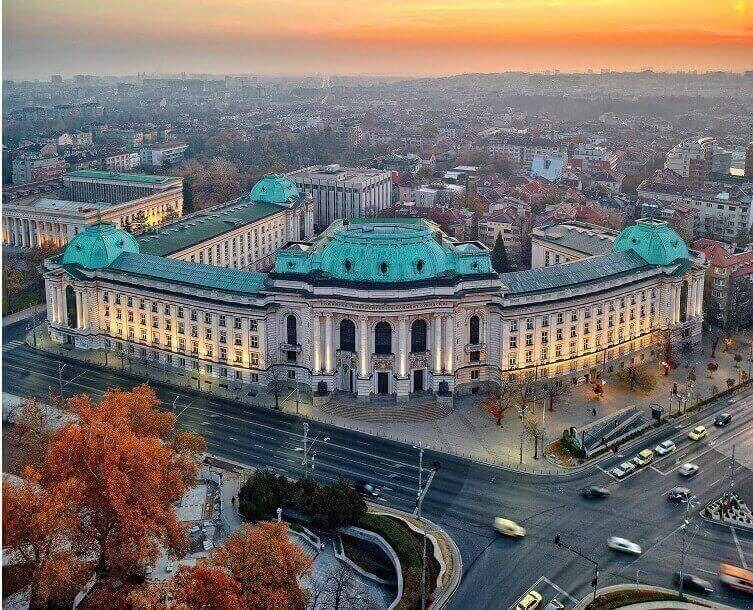
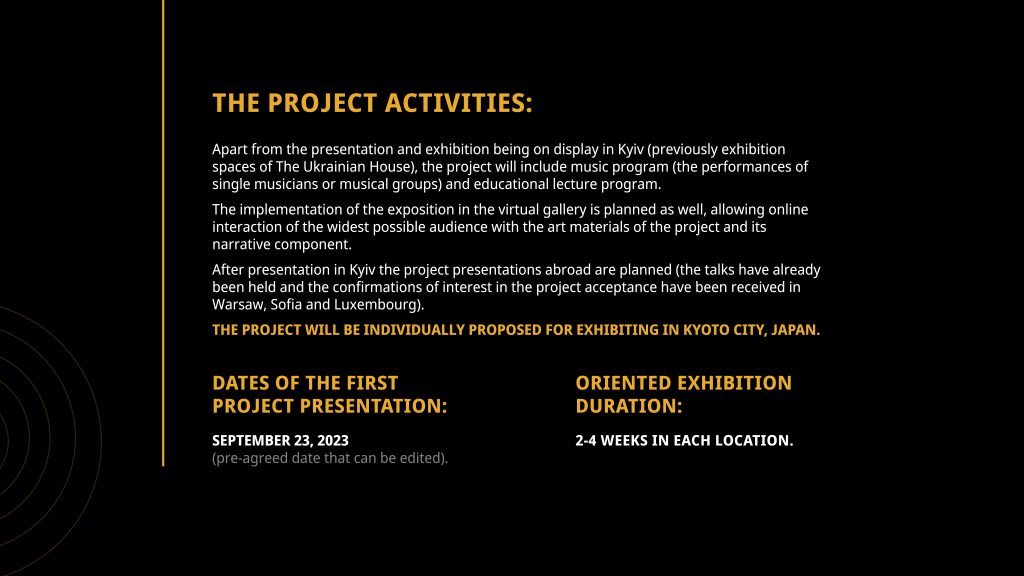
On April 29, Ukraine Foundation’s Vice President for Cultural Diplomacy, Alex Luna delivered a public lecture at Sofia University St. Kliment Ohridski, alongside Japanese collaborator Shigeru Yoshida, as part of the ongoing international Somnia Disaster cultural and research initiative.
This event brought together Ukrainian and Japanese perspectives on nuclear memory, environmental trauma, and the role of art and documentary practice in shaping collective understanding of historical catastrophes. The lecture was part of a broader series under the Somnia Disaster programme, which explores the parallel legacies of Chernobyl and Fukushima through photography, testimony, and interdisciplinary dialogue.
Our Vice President Alex Luna, who leads cultural diplomacy initiatives at the Ukraine Foundation, developed the Somnia Disaster project as a long-term platform connecting artists, researchers, and institutions across Europe and Asia. His work focuses on the intersection of memory studies and cultural resilience, using visual storytelling to delve into the human dimension of nuclear history.
Shigeru Yoshida, representing Japan’s contribution to the project, presented perspectives rooted in Japan’s post-Fukushima discourse. His collaboration with Alex Luna reflects a broader effort to create a shared cultural language between Europe and Japan, addressing issues of technological risk, remembrance, and recovery.
The lecture, hosted at Sofia University —Bulgaria’s leading academic institution— drew students, faculty, and professionals from fields such as international relations, cultural studies, and environmental humanities. The university has a long history of hosting international academic dialogue and cultural exchange initiatives.
The event was broadly covered by Bulgarian national media:

Lessons from Chernobyl and Fukushima: A Japanese and a Ukrainian Presented a Major Project in Sofia.

A Japanese and a Ukrainian Seek Lessons from Fukushima and Chernobyl
Read Alex Luna’s Comments on Recent Political Developments in Bulgaria and Their Potential Implications for Ukraine’s Security and European Trajectory with Telegraf
Our Vice President for Cultural Diplomacy, Alex Luna was recently cited in discussions about Bulgaria’s political landscape, specifically in relation to the formation of a new government and the regional concerns surrounding the rise of so-called “new Orbán” political dynamics in Europe. His remarks were included in an analytical piece examining whether political shifts in Sofia could impact the continuity of military support to Ukraine and the stability of existing bilateral and EU-linked frameworks.
Commenting on Bulgaria’s internal political debates and its relationship with Ukraine, Alex Luna noted:
“In fact, the only thing Rumen Radev opposed was providing military assistance to Ukraine, out of concern for escalation. Yet as a politician with military experience, he cannot fail to understand that Bulgaria’s GDP growth is significantly driven by the sale of military equipment to Ukraine.”
In the same context, Alex Luna cautioned against premature alarmism, stressing that labels such as “new Orbán” risk oversimplifying the complex domestic dynamics and EU-level constraints at play in Bulgaria. He argued that such labels fail to capture the nuanced realities of the political situation, particularly with respect to Bulgaria’s role in EU defense and security frameworks.
Taken together, his comments reflect a broader interpretative framework in which Ukraine’s resilience and security are closely tied to the coherence of European political decision-making. This perspective underscores the structural interdependence between Ukraine and its European partners, especially regarding defense production, sanctions policy, and long-term strategic alignment within the European Union
Washington, DC: Ukraine Foundation’s Vice President Alex Luna Hosts Ambassador William Taylor at Ukraine House for Landmark Dialogue on Ukraine’s Future

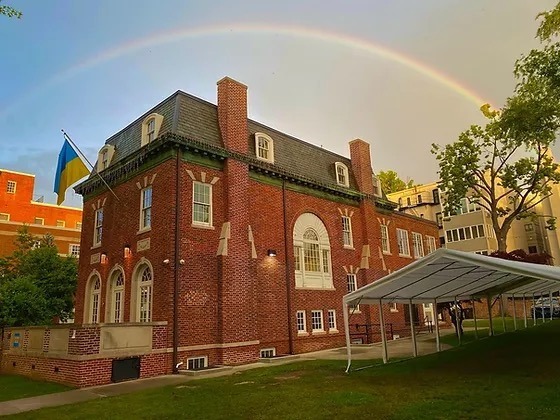
Ukraine Foundation is proud to highlight a landmark public diplomacy event hosted by our Vice President for Cultural Diplomacy, Alex Luna (Oleksandr Tyshchenko), at Ukraine House in Washington, D.C., featuring a distinguished conversation with former United States Ambassador to Ukraine, Ambassador William B. Taylor Jr.
Held at Ukraine House—one of the most important centers of Ukrainian civic and cultural engagement in the United States—the event brought together members of the Ukrainian-American community, policy professionals, diplomats, and supporters of Ukraine for an evening dedicated to dialogue, reflection, and international solidarity. Ukraine House serves as a key platform for advancing understanding of Ukraine in the United States and fostering meaningful engagement between American and Ukrainian stakeholders.
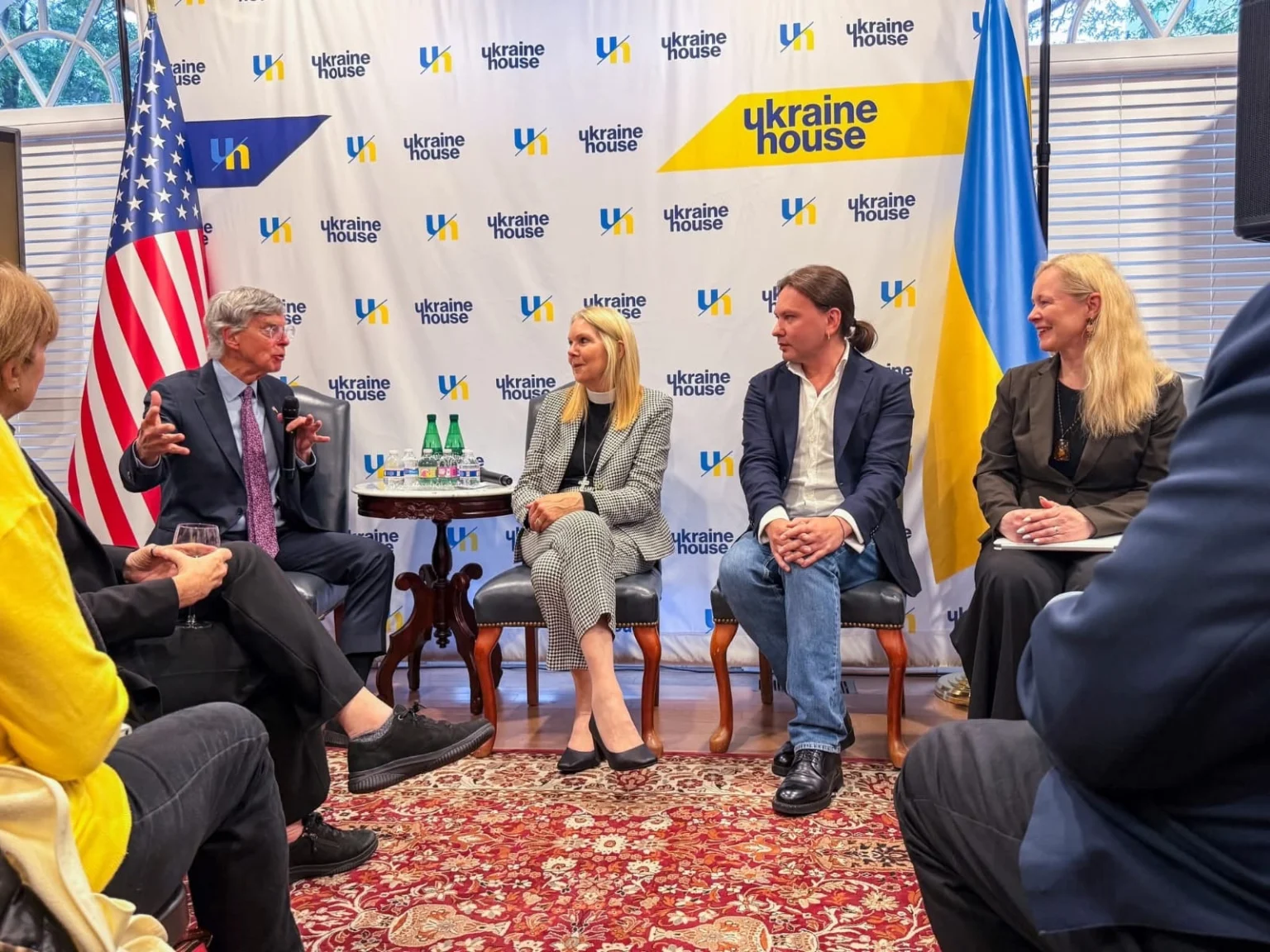
As moderator and host, Alex Luna guided a thoughtful discussion with Ambassador Taylor on the evolving geopolitical landscape, the enduring importance of transatlantic cooperation, and the challenges and opportunities facing Ukraine as it continues to defend its sovereignty and pursue its Euro-Atlantic future.
Ambassador Taylor, one of the United States’ most respected diplomats and long-standing advocates for Ukraine, offered valuable insights drawn from decades of experience in diplomacy, security policy, and U.S.-Ukraine relations. The discussion underscored the strategic importance of sustained international engagement and highlighted the resilience demonstrated by the Ukrainian people in the face of ongoing aggression.
For Ukraine Foundation, the event reflected the organization’s broader commitment to strengthening international partnerships, advancing informed public discourse, and creating opportunities for constructive engagement between policymakers, experts, civil society leaders, and the Ukrainian diaspora. Through initiatives such as this, the Foundation seeks to contribute to a deeper understanding of Ukraine’s strategic importance and the global implications of the war.
Alex Luna’s leadership in convening conversations of this caliber continues to demonstrate the important role that cultural and public diplomacy play in strengthening Ukraine’s international presence. As Vice President for Cultural Diplomacy, he has consistently worked to build bridges between Ukraine and its international partners through dialogue, advocacy, and cultural engagement.
Ukraine Foundation extends its sincere gratitude to Ambassador William Taylor for his participation and to Ukraine House for providing a distinguished venue that continues to serve as a focal point for the Ukrainian community and its friends in Washington.

This pivotal week brings together key stakeholders to amplify dialogue on Ukraine’s sovereignty, security, and democratic resilience. Our Vice President Alex Luna led direct engagements with select members of Congress including Sen. Jon Ossoff (D-GA) and Rep. Neal Dunn (R-FL). Along with our International Advisory Board member, Lt Col. (Ret.) Dr. Iryna Andrukh, he had a warm and thoughful exchange with H.E. Ambassador Olha Stefanishyna.
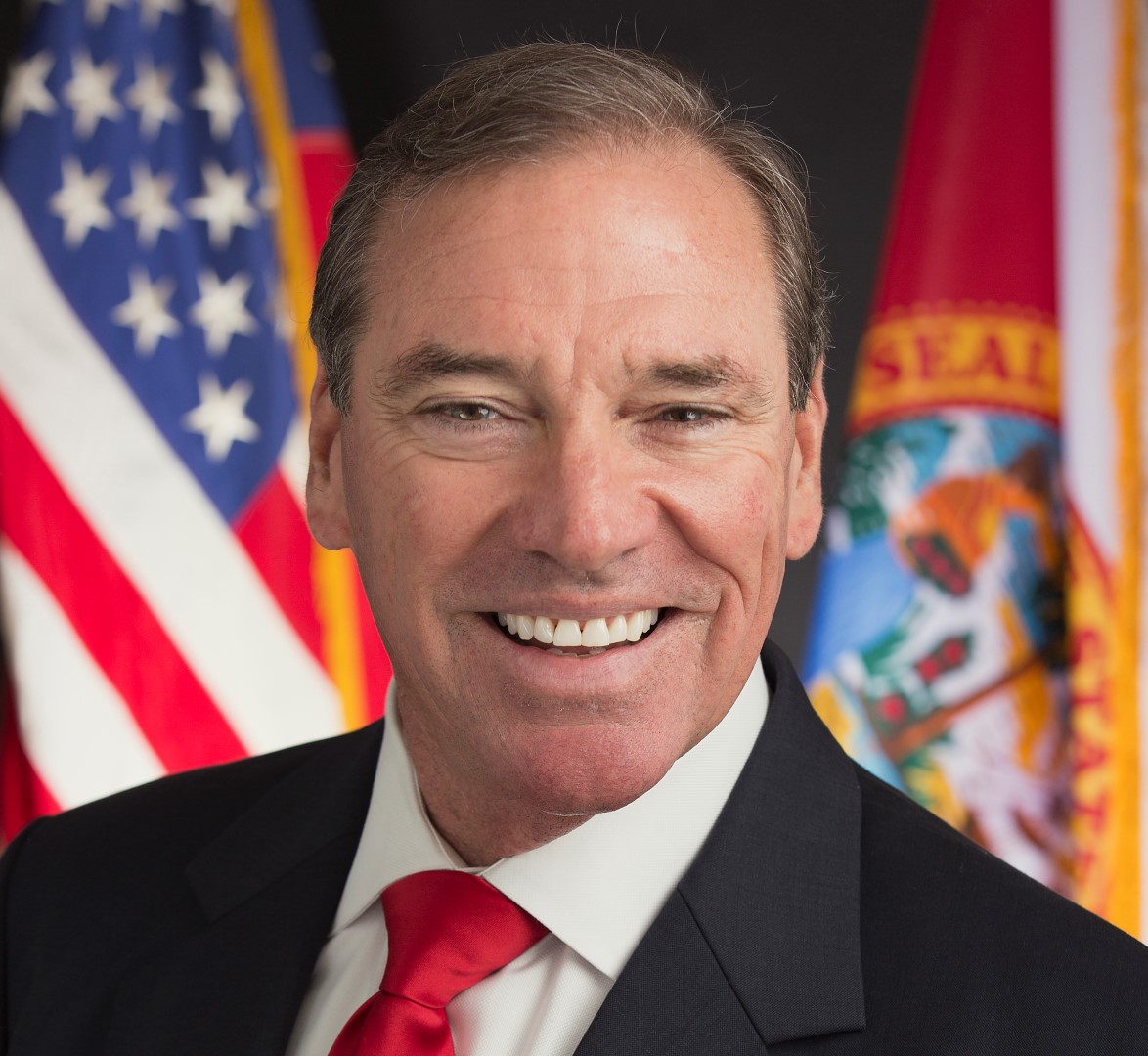
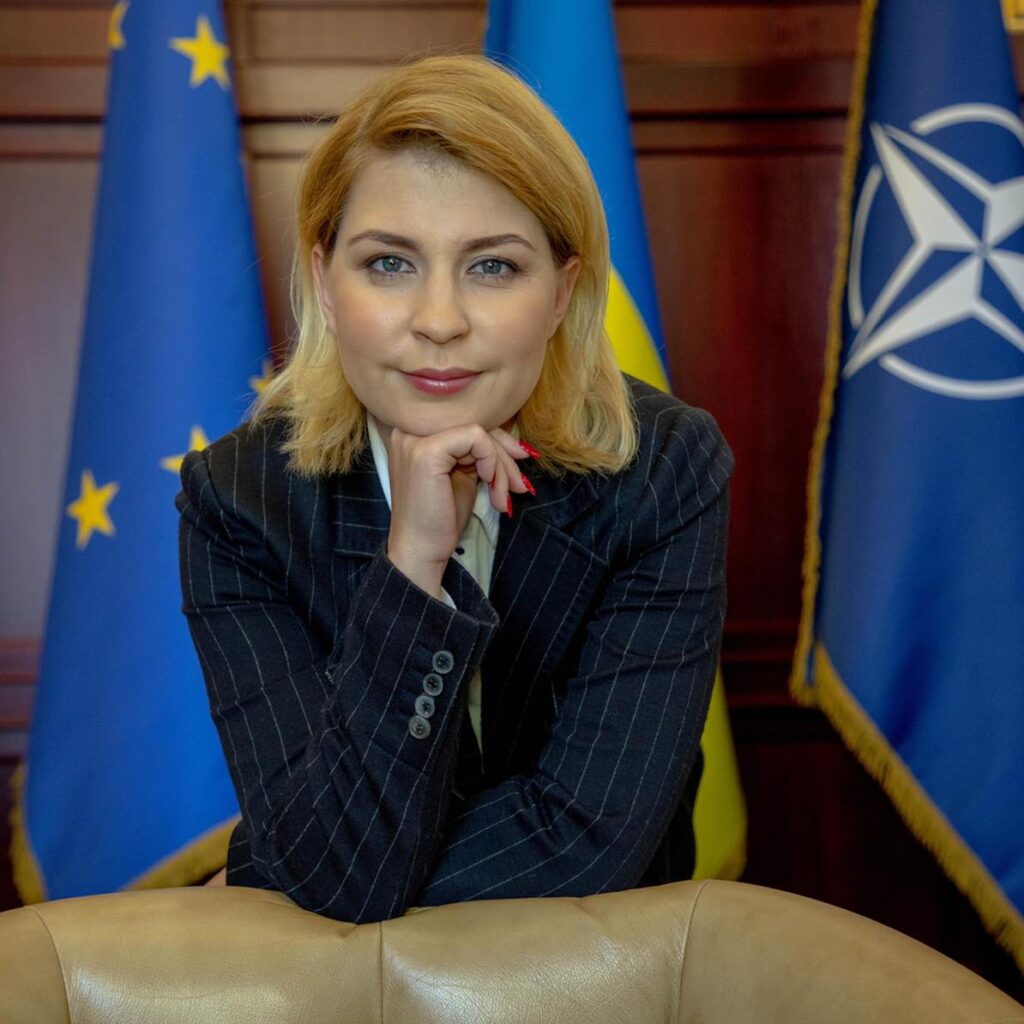
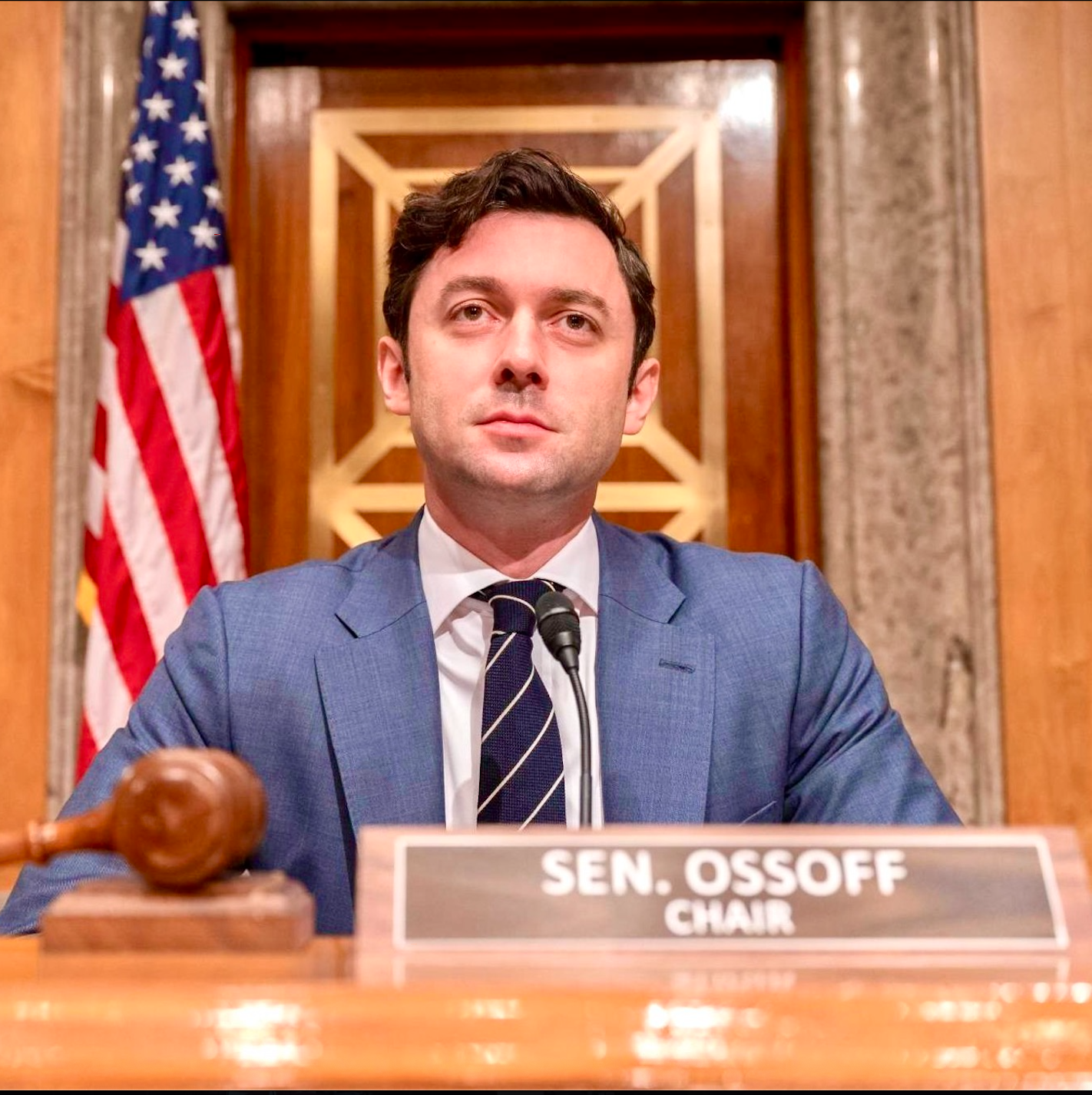
This collaborative approach aims to ensure Ukraine’s priorities are effectively communicated to policymakers and decision-makers, reinforcing the global partnership and support for Ukraine’s future.
Alex Luna, who also serves as Advisor to the Chief Negotiator and Ombudsman of Ukraine, Dmytro Lubinets, and to the Chairman and Acting Head of Ukraine’s Space Agency, Volodymyr Mikheyev, had an impactful meeting with representatives from the U.S. Department of Commerce, the Department of State, the Office of Space Commerce, and the National Oceanic and Atmospheric Administration (NOAA).



Along with Lt. Col. (Ret.) Iryna Andrukh and several members of Ukraine Foundation’s team, Alex Luna discussed a number of policy issues where the United States and Ukraine could strengthen their bilateral relationship.
The Foundation does not engage in lobbying activities per se and remains committed to a non-partisan approach that encourages productive, informed discussions, focused on advancing shared interests and strengthening international partnerships.
Kyiv & Sofia: Alex Luna Taking Somnia Disaster -A Chernobyl-Fukushima Cultural Bridge- Across European Parliaments
Somnia Disaster Featured In ICTV News
Somnia Disaster Making the News in Korotko Pro
“Somnia Disaster”: Alex
Luna exhibition opened in the Verkhovna Rada
YEVHEN GORIN
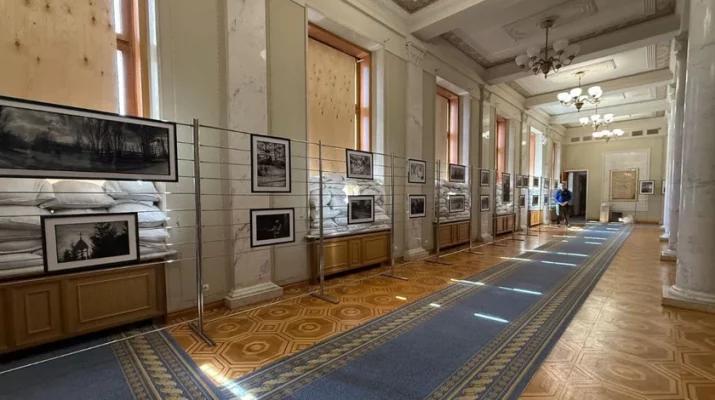
April 29, 2025, Kyiv – On the days of the next anniversary of the Chernobyl disaster, a unique art and documentary exhibition “Somnia Disaster” was solemnly opened in the building of the Verkhovna Rada of Ukraine, under a glass dome. It became one of the central events of this year’s commemorative events and a symbolic reminder of the value of human errors and the responsibility for the future.
April 29, 2025, Kyiv – On the days of the next anniversary of the Chernobyl disaster, a unique art and documentary exhibition “Somnia Disaster” was solemnly opened in the building of the Verkhovna Rada of Ukraine, under a glass dome. It became one of the central events of this year’s commemorative events and a symbolic reminder of the value of human errors and the responsibility for the future.
The exhibition takes place during the regular session of the parliament.
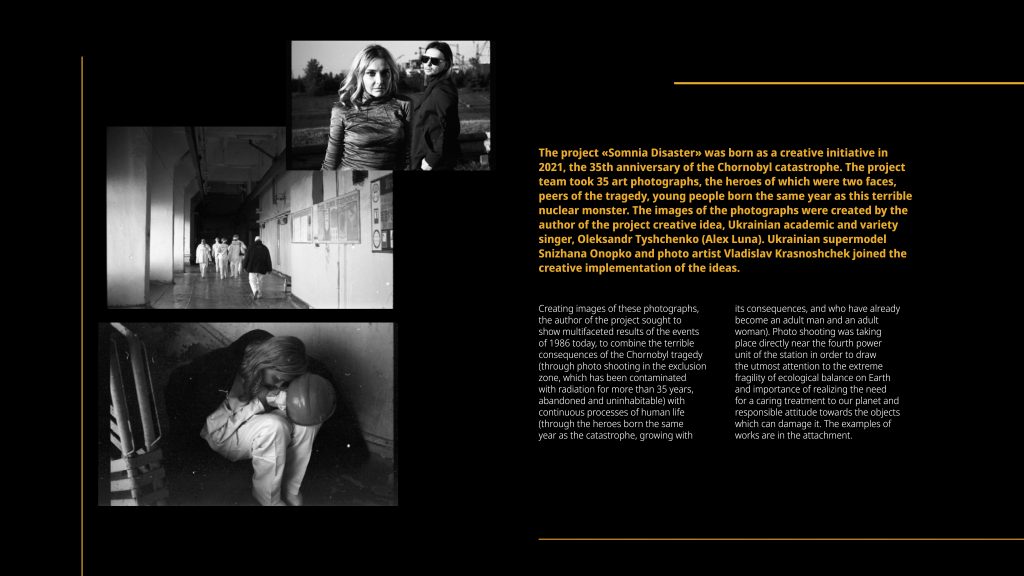
The Somnia Disaster project combines art, photography, film materials and modern audio installations in Ukrainian and German. Only the photographic part of the project, created by a prominent Ukrainian photo artist, a representative of the Kharkiv School of Photography, Vladyslav Krasnoshchek, is presented in the parliament building.
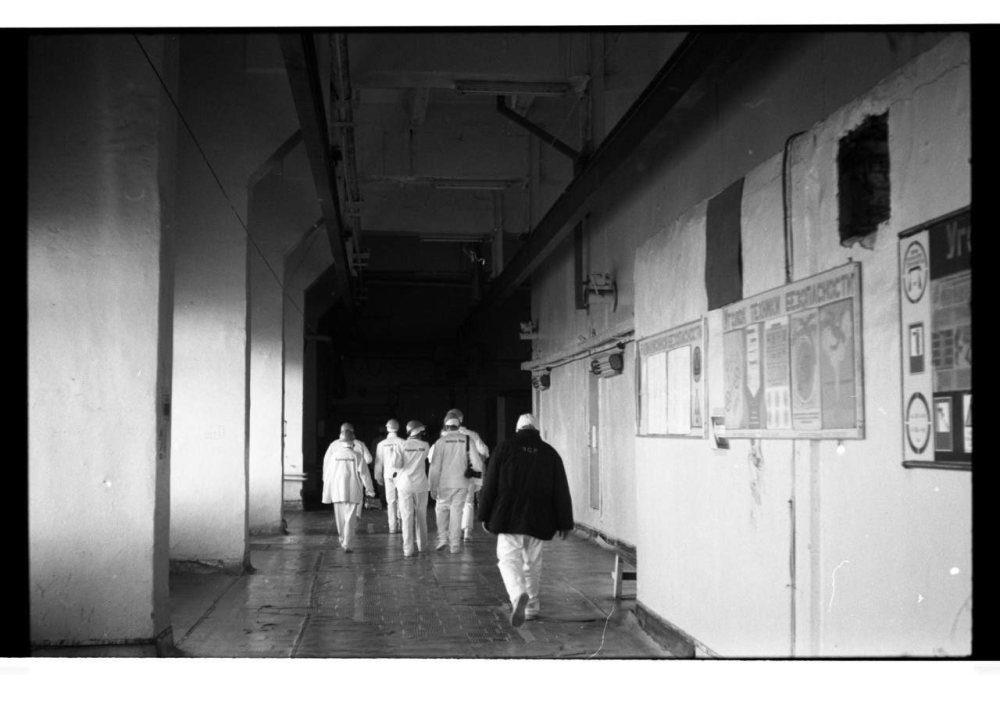
The photos are not only the iconic locations of the Exclusion Zone, but also the same age as the tragedy: the author of the project, opera singer Alex Luna, and Ukrainian supermodel Snizhana Onopko.
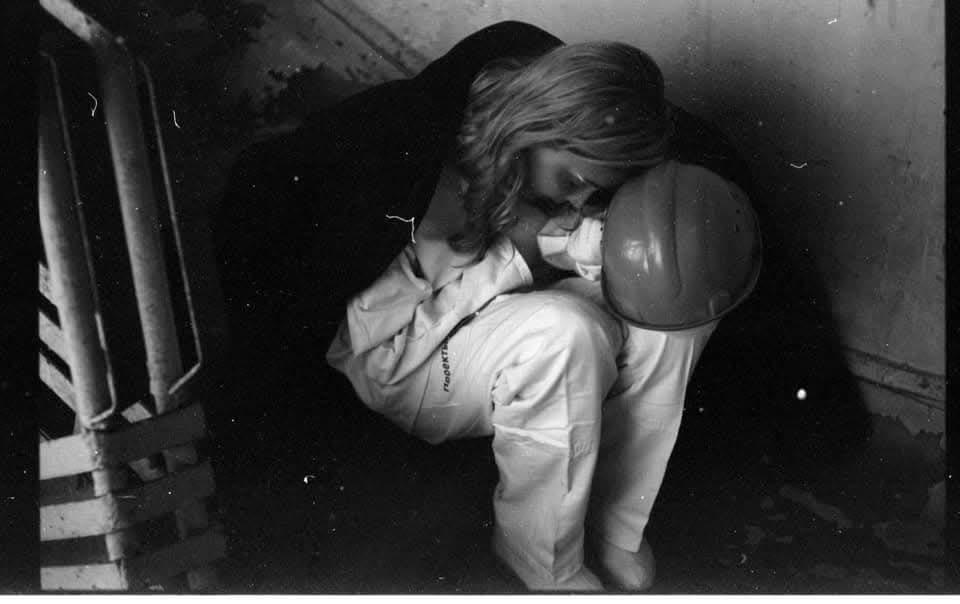
Today, the exhibition “Somnia Disaster” is shown in the Verkhovna Rada of Ukraine. Its ideologist Alex Luna, having implemented the project in 2021, sought to emphasize the fragility of life and the importance of remembering it. Probably, he had a “artist’s premonition,” says Tetiana Tsyba, MP and head of the subcommitteee on the protection of the rights of children who suffered as a result of military aggression. After all, today the relevance of this topic has not decreased, but on the contrary, it has acquired a new sound.
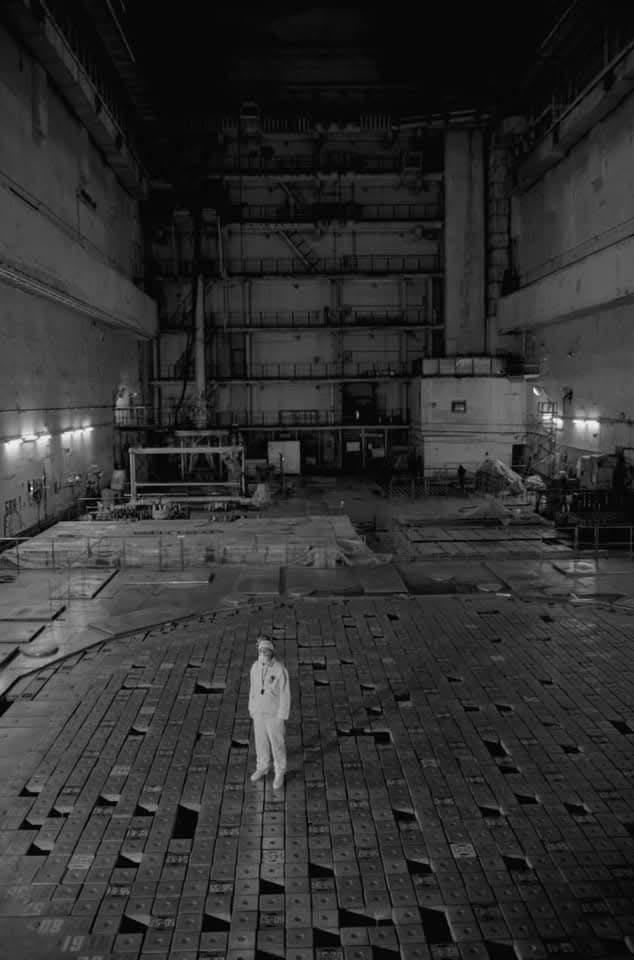
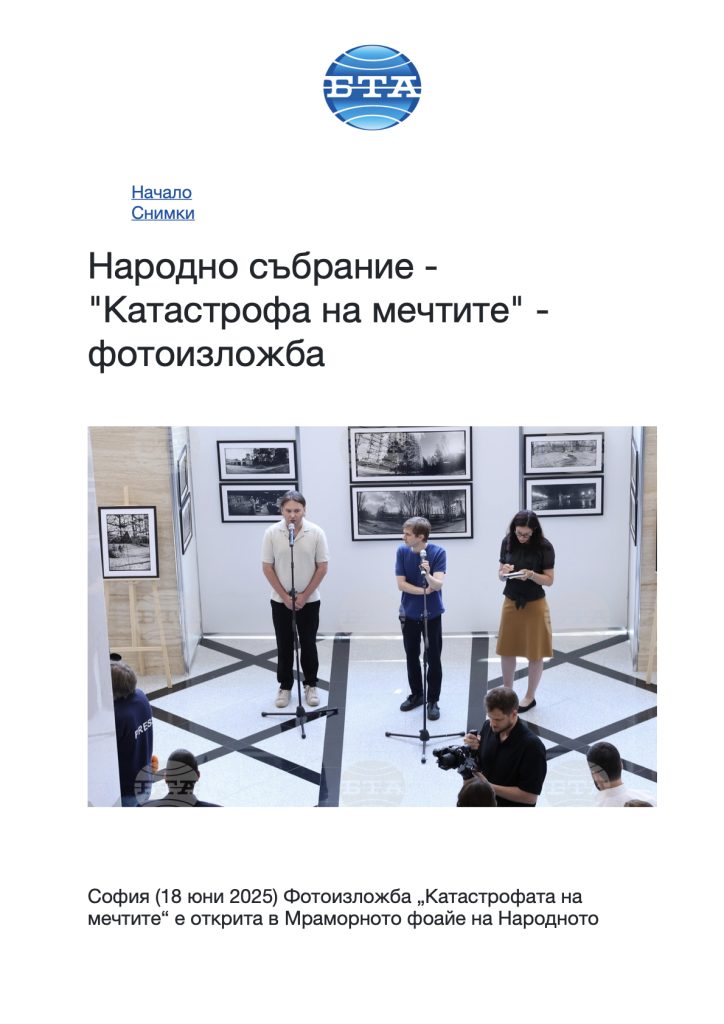
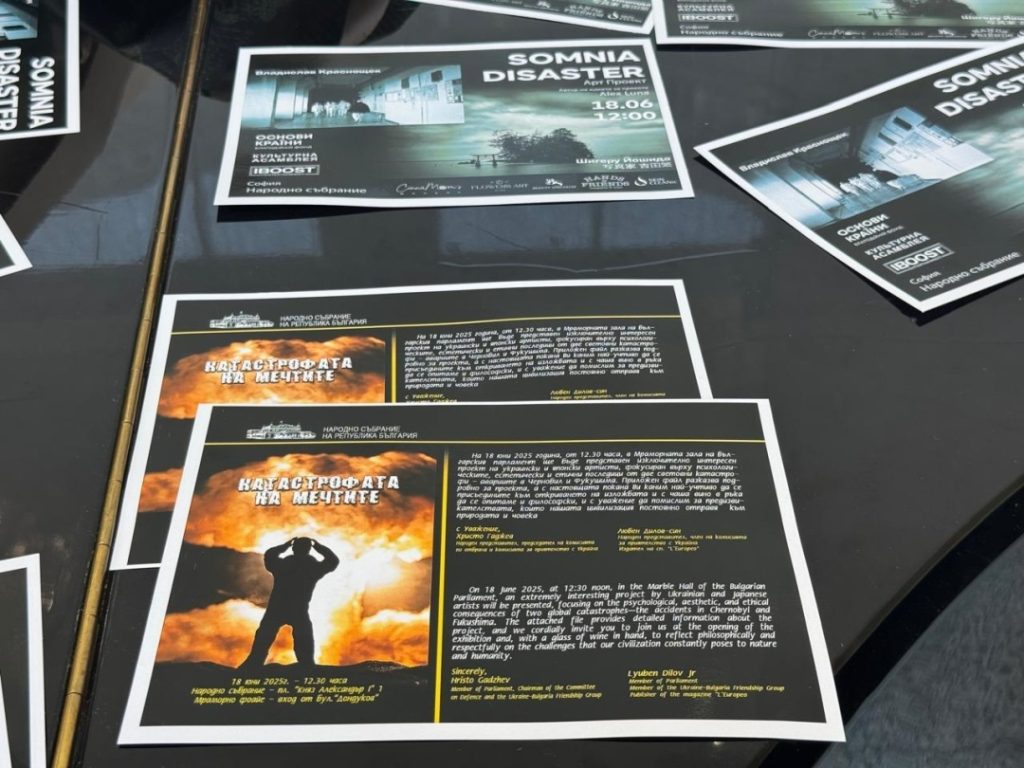
The exhibition “Somnia Disaster” will be available for viewing in the Verkhovna Rada during the week. From June 18, the exhibition will be hosted by the Parliament of the Republic of Bulgaria.
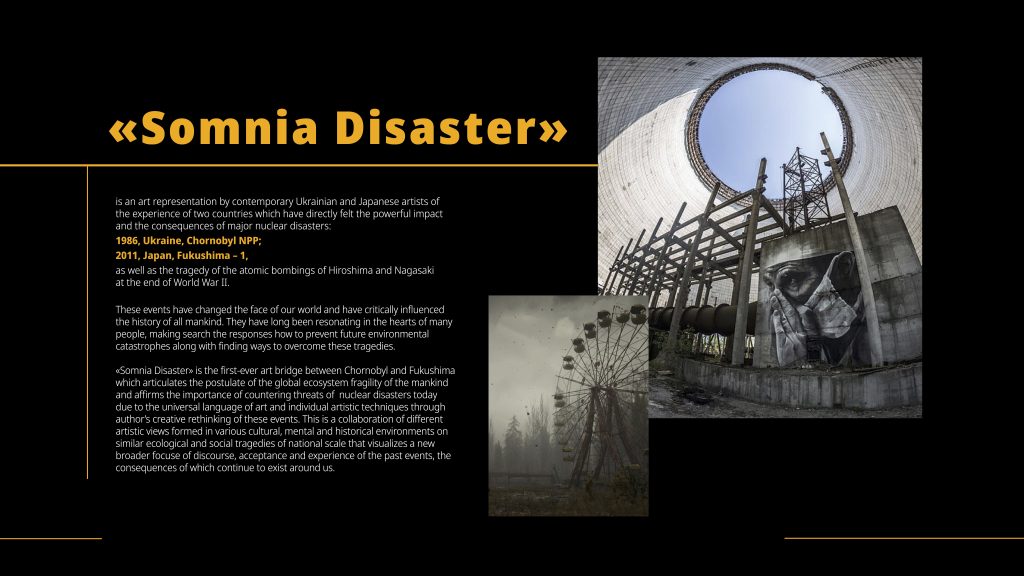
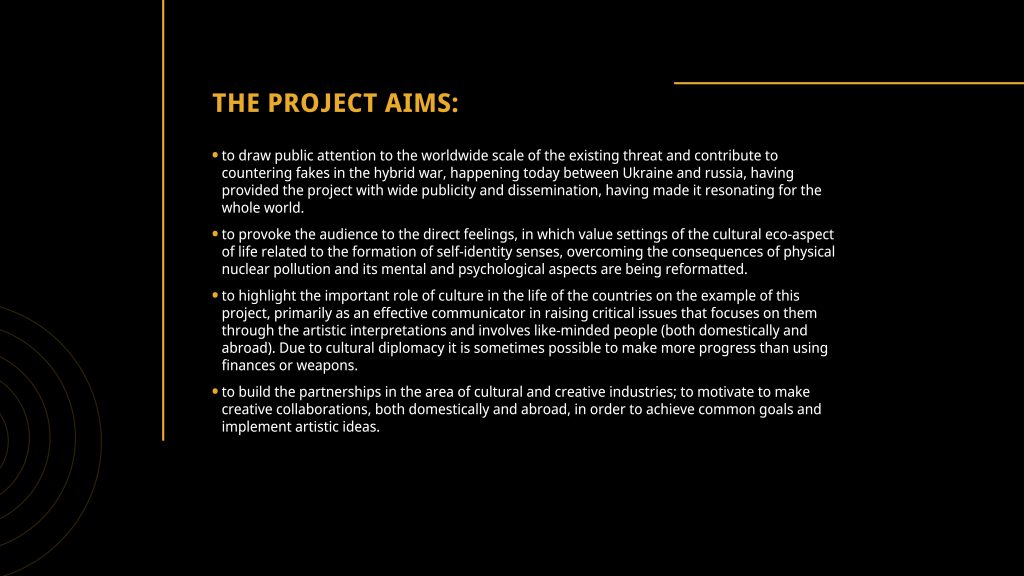
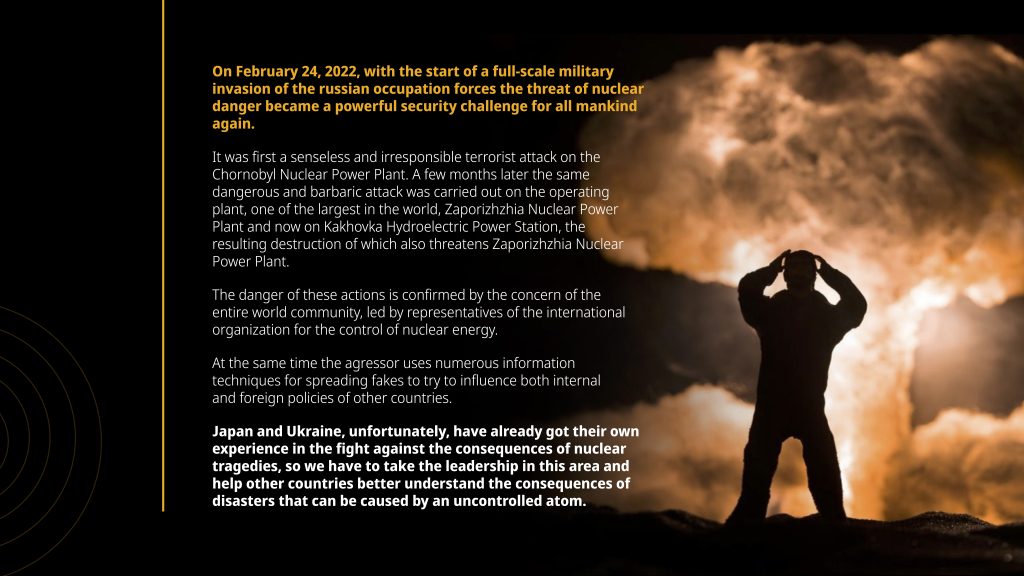
At a time when the world stands precariously close to the threat of nuclear catastrophe, Somnia Disaster emerges as a powerful cultural project that unites two of the most devastating nuclear tragedies in human history: Chernobyl and Fukushima. This exhibition serves not only as a bridge between cultures, but also as a stark reminder of our shared responsibility to prevent such disasters in the future.
Somnia Disaster is being presented in a highly symbolic setting — the Verkhovna Rada of Ukraine (Ukrainian Parliament) — from April 28 to May 2, during an active parliamentary session. Following this, the exhibition will move to the Parliament of Bulgaria from May 14 to May 21, where a major opening ceremony will be held. The event will bring together the Bulgarian Minister of Energy, Minister of Foreign Affairs, members of parliament from Bulgaria and Ukraine, as well as the Ambassadors of Japan and Ukraine, underlining the urgent international relevance of the project.
In an era when nuclear threats loom larger than ever, Somnia Disaster reminds us that memory, dialogue, and cross-cultural cooperation are vital for a safer future.
Listen to the Somnia Disaster podcast on Spotify
We are currently experiencing the greatest nuclear threat, which threatens not only Ukraine, but the entire world. What does it really look like in Ukraine’s largest nuclear power plant? What is the probability of a Chernobyl 2.0? This is what liquidators, military and scientists discuss in this podcast.
Watch Somnia Disaster’s making of featuring Snizhana Onopko and Alex Luna filmed on location
Sofia: Somnia Disaster: Alex Luna’s Haunting Exhibition Arrives in Sofia
Renowned visual artist Alex Luna continues his powerful exploration of the Somnia Disaster with a European tour, shedding light on the haunting legacy of this enigmatic event. Following its impactful debut, the exhibition makes its second stop in Sofia, Bulgaria, where it has already garnered significant media attention. Through a compelling blend of visual storytelling and immersive installations, Luna invites viewers across Europe to confront the surreal and often unsettling dimensions of memory, loss, and collective trauma.
Somnia Disaster Featured in

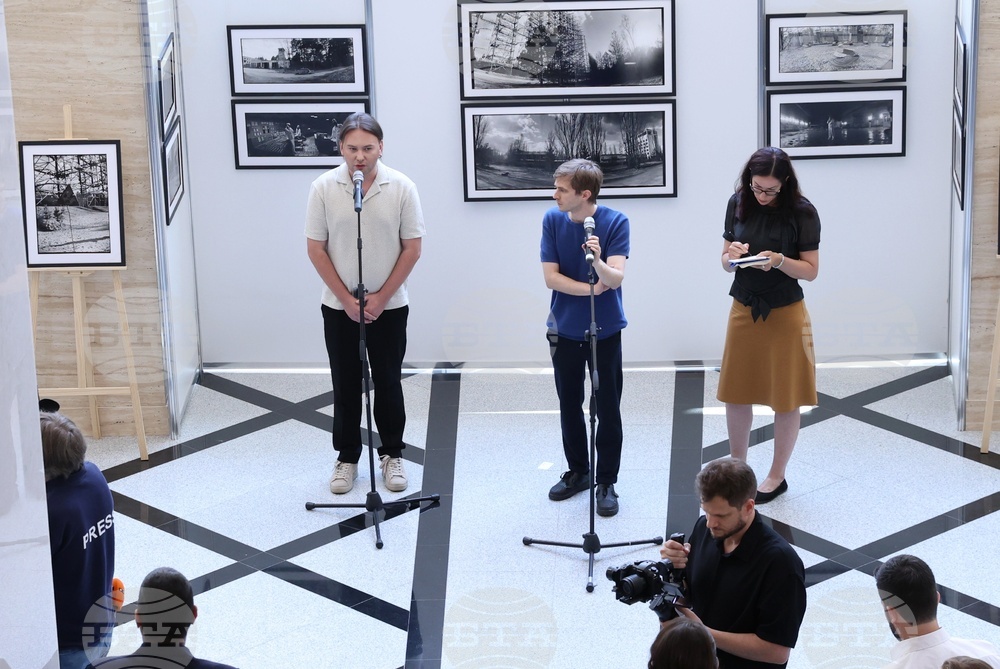

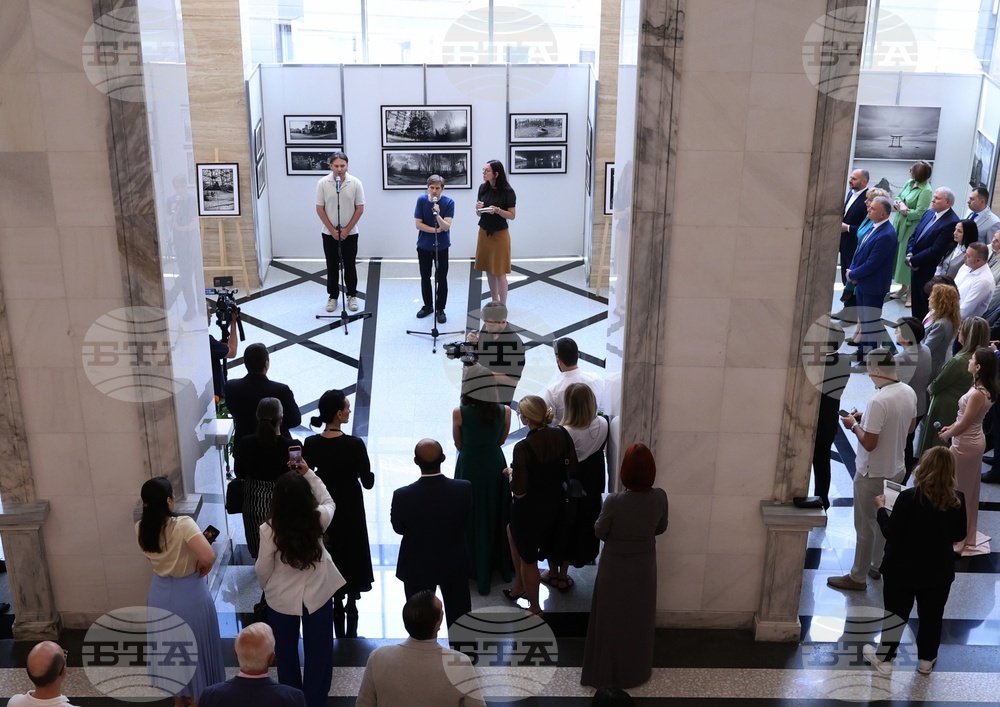
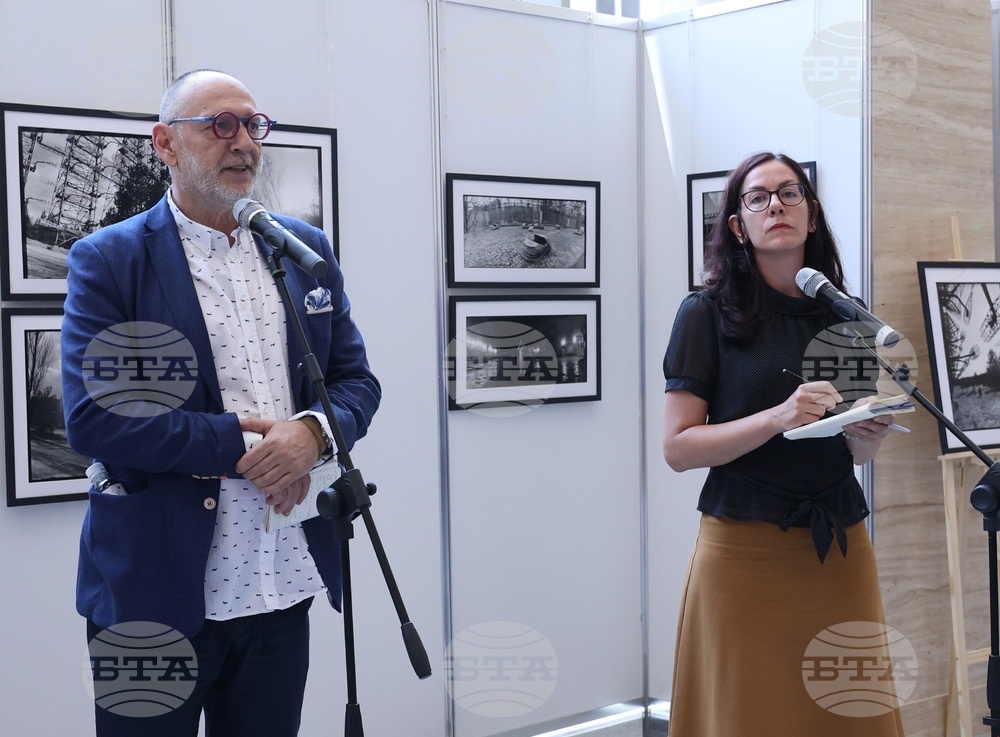
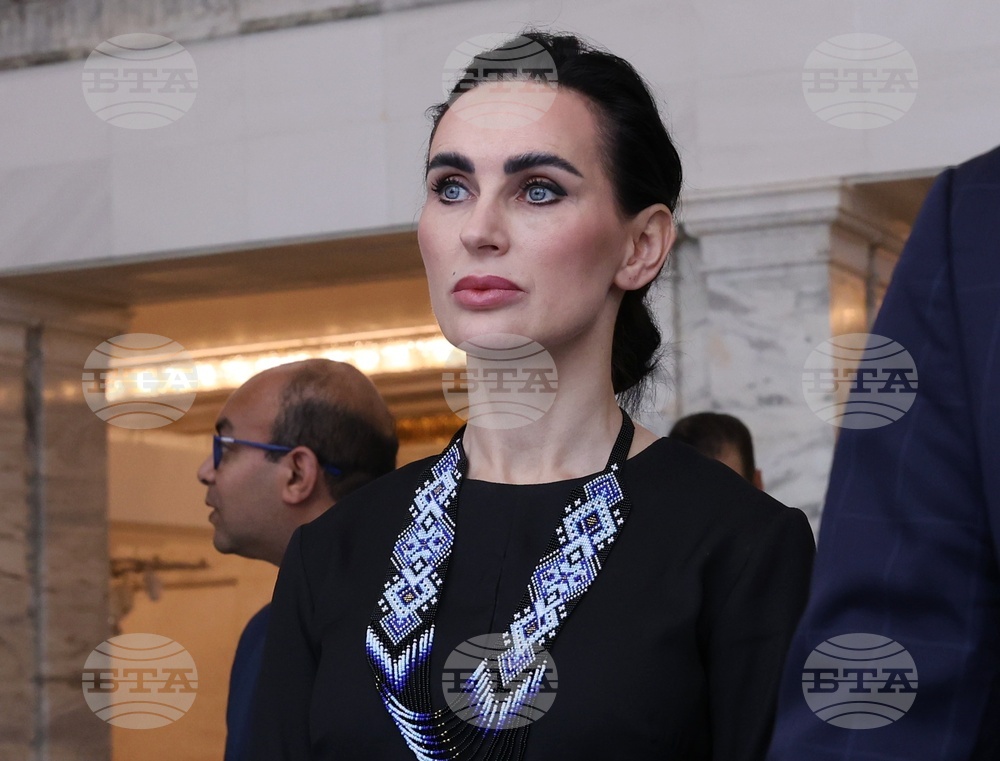
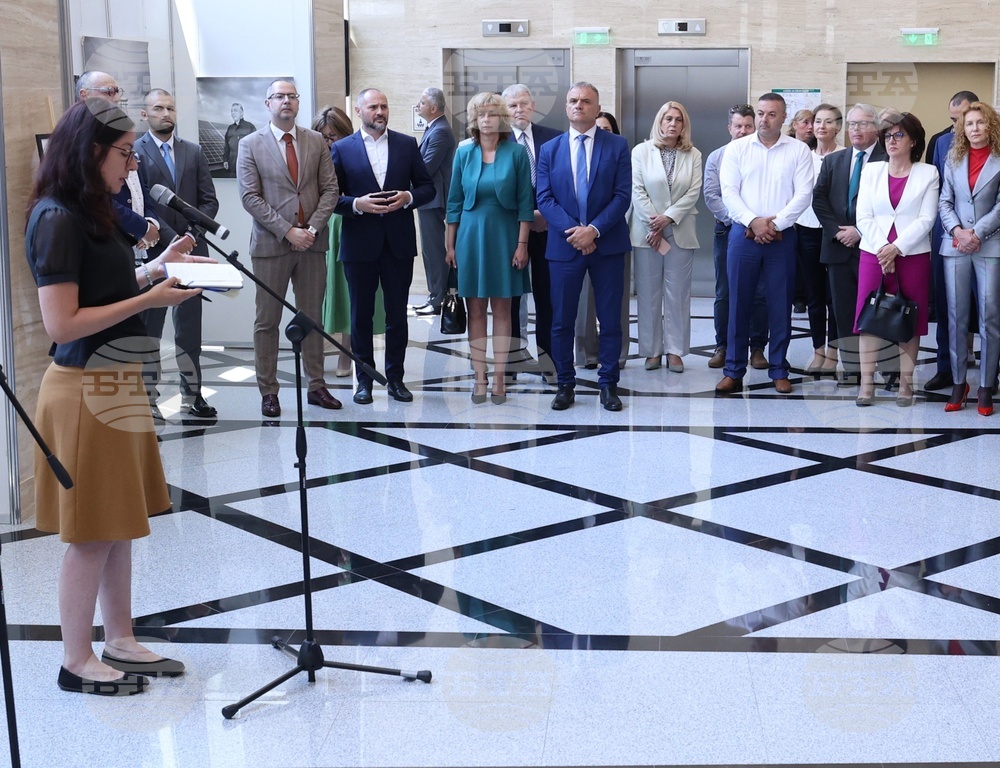
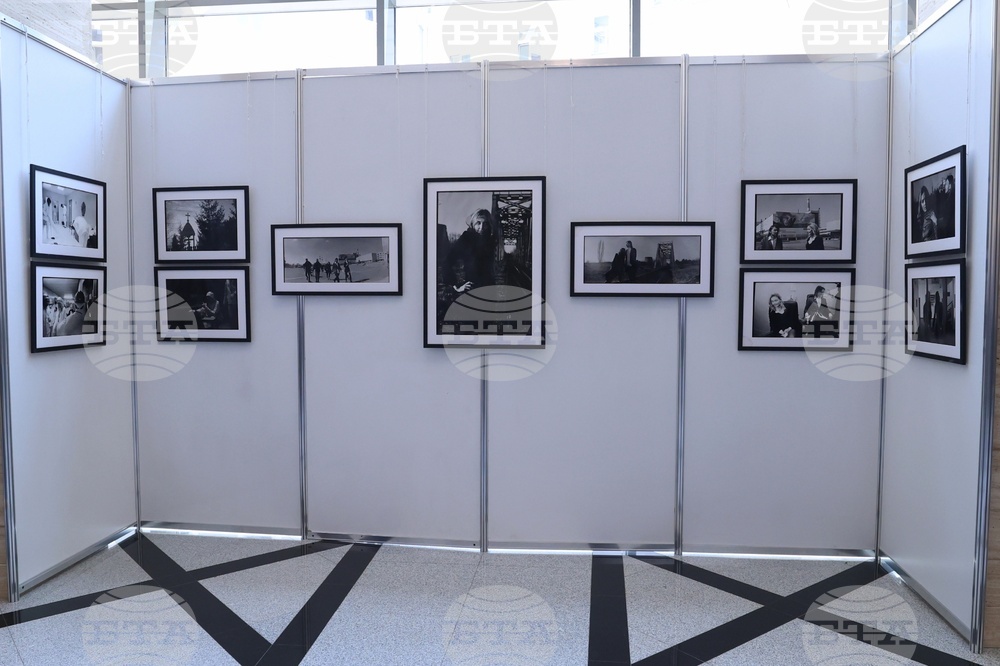
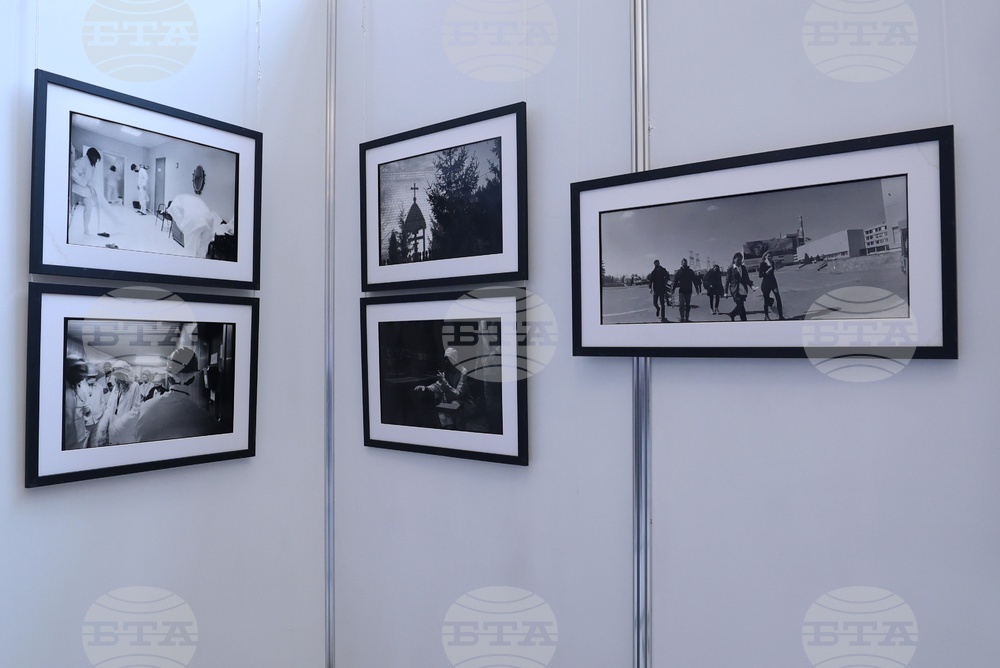
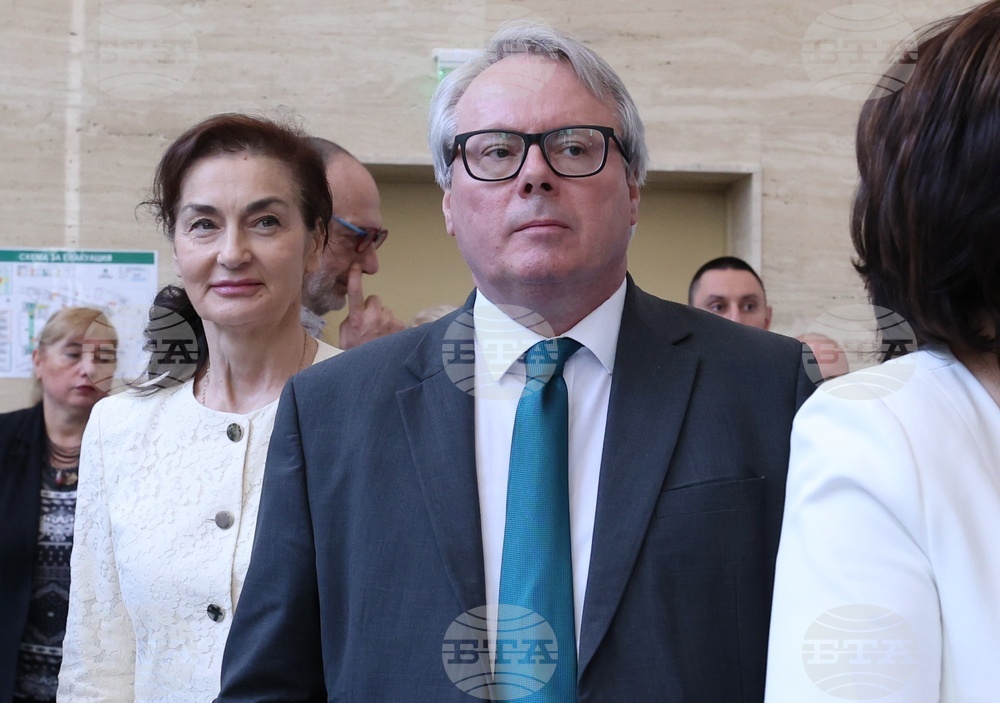
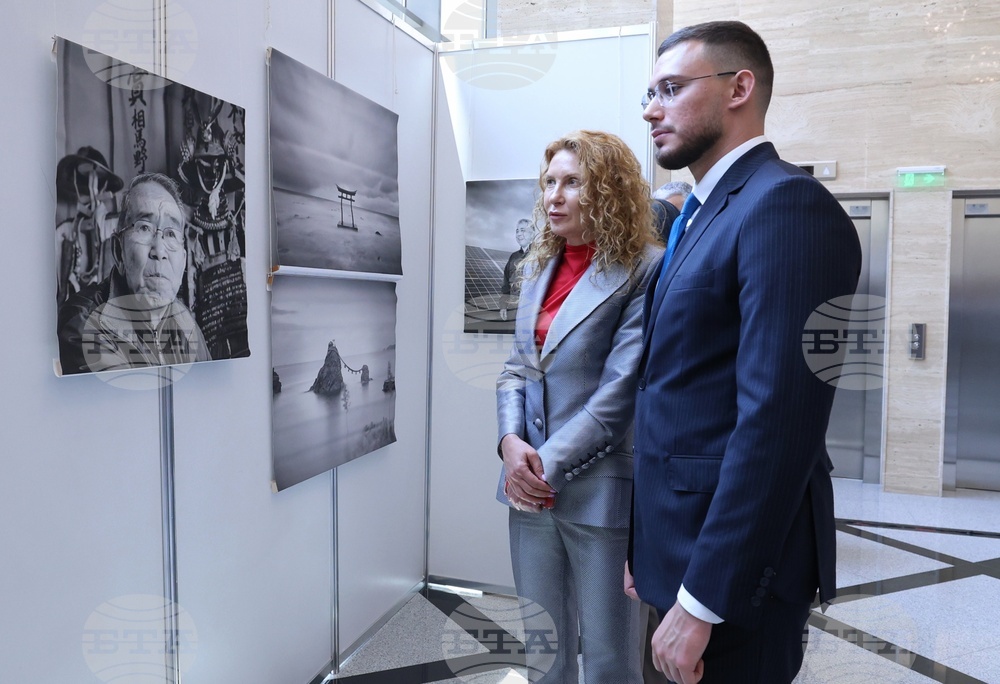
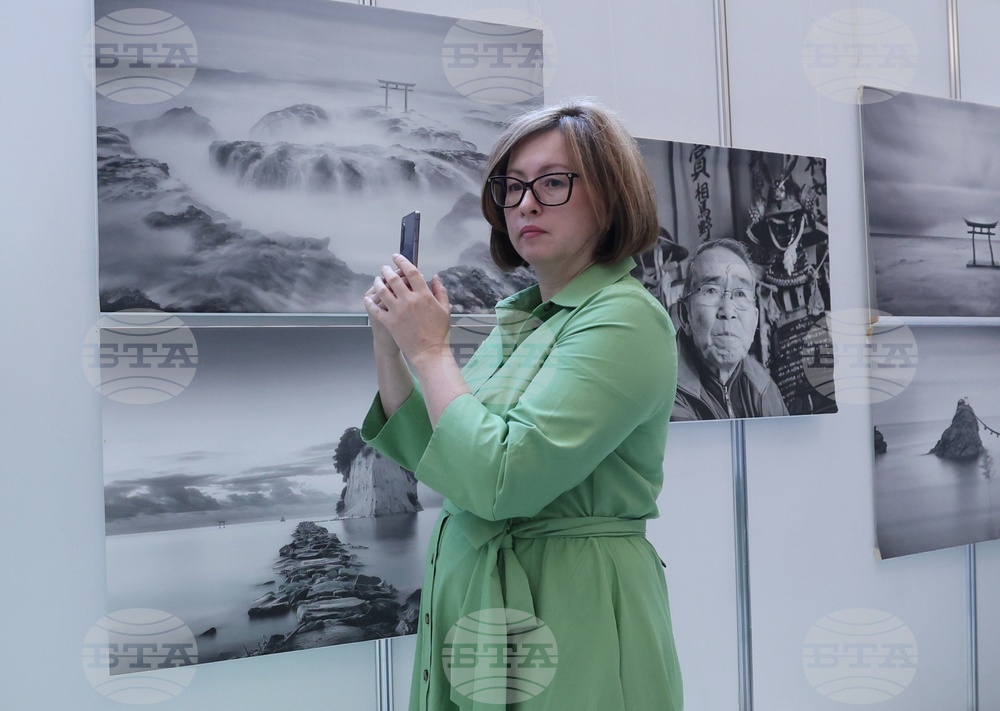
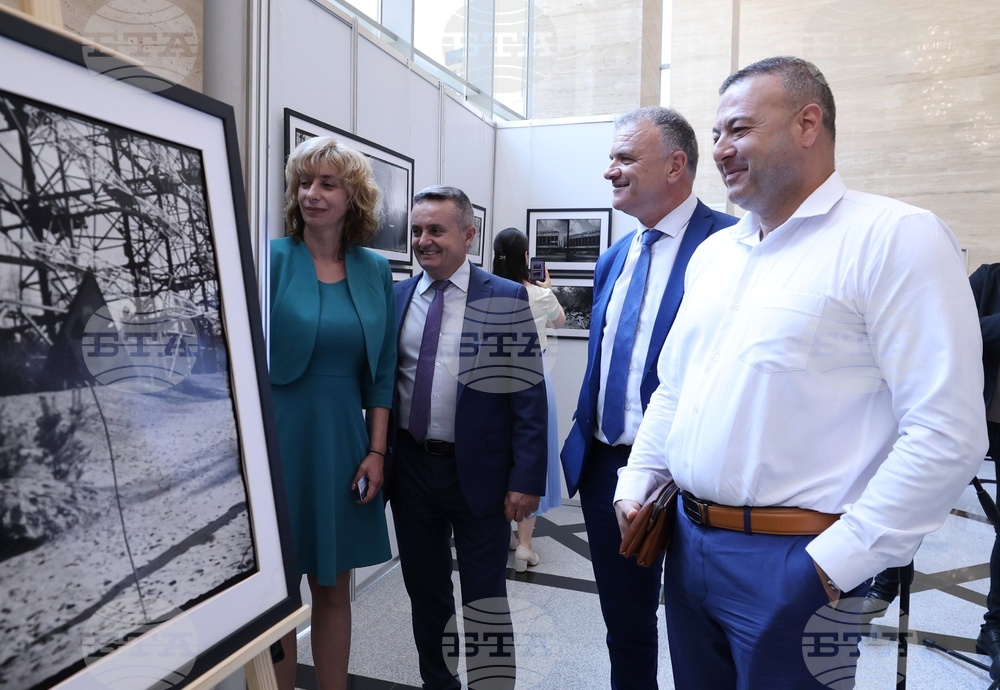
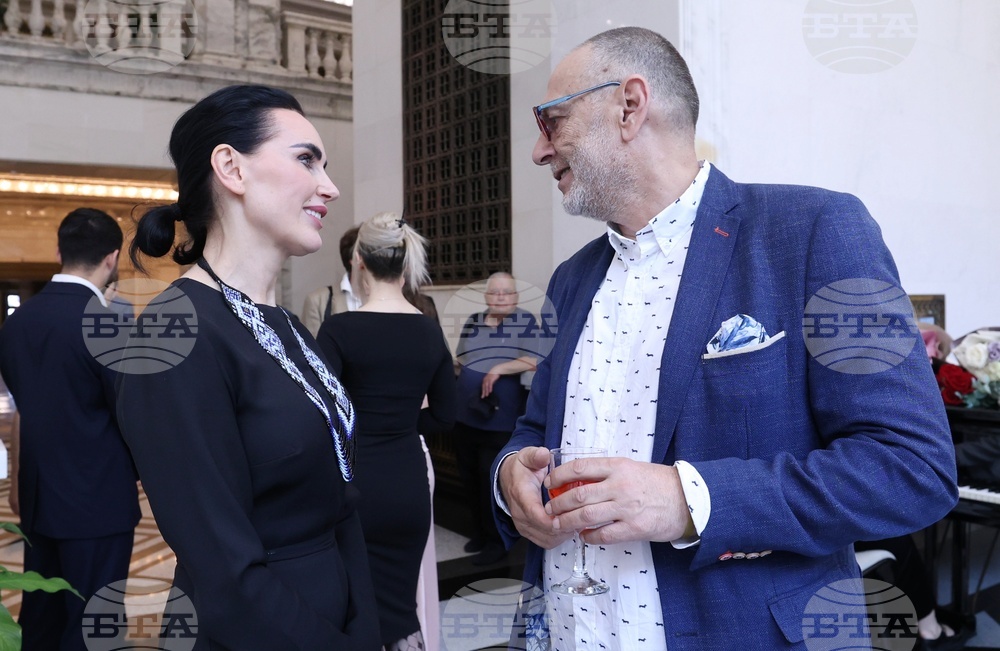
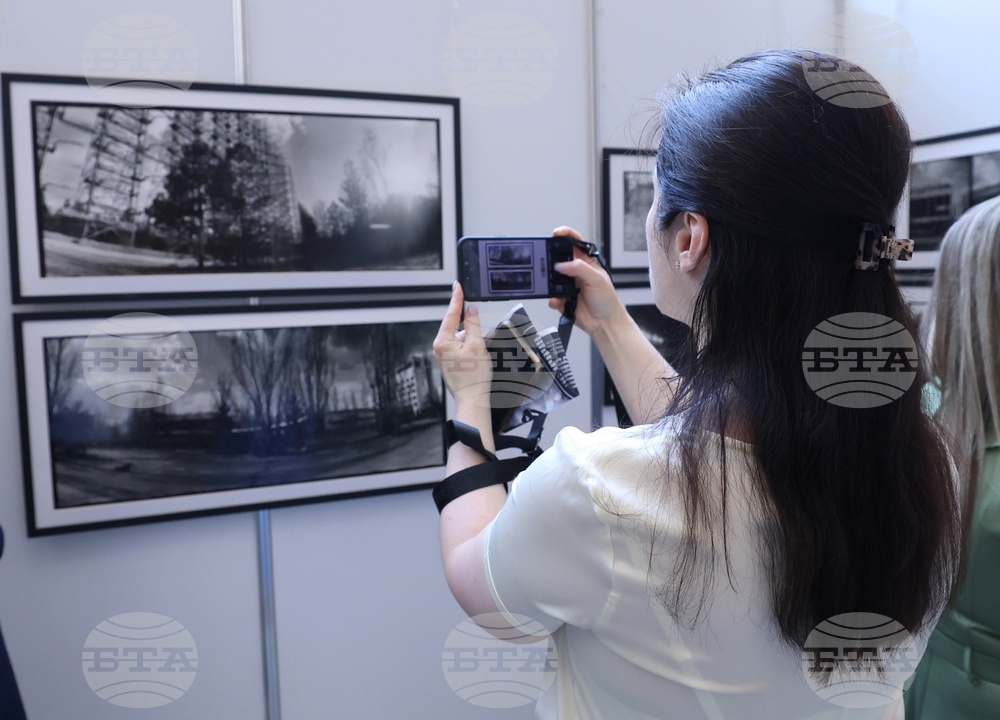
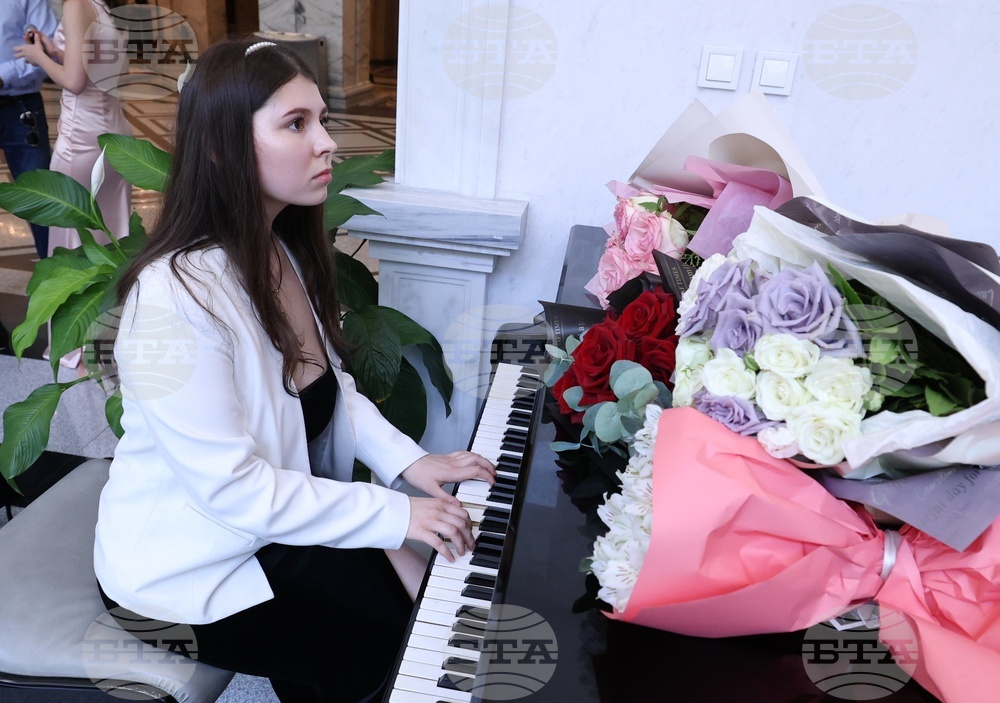
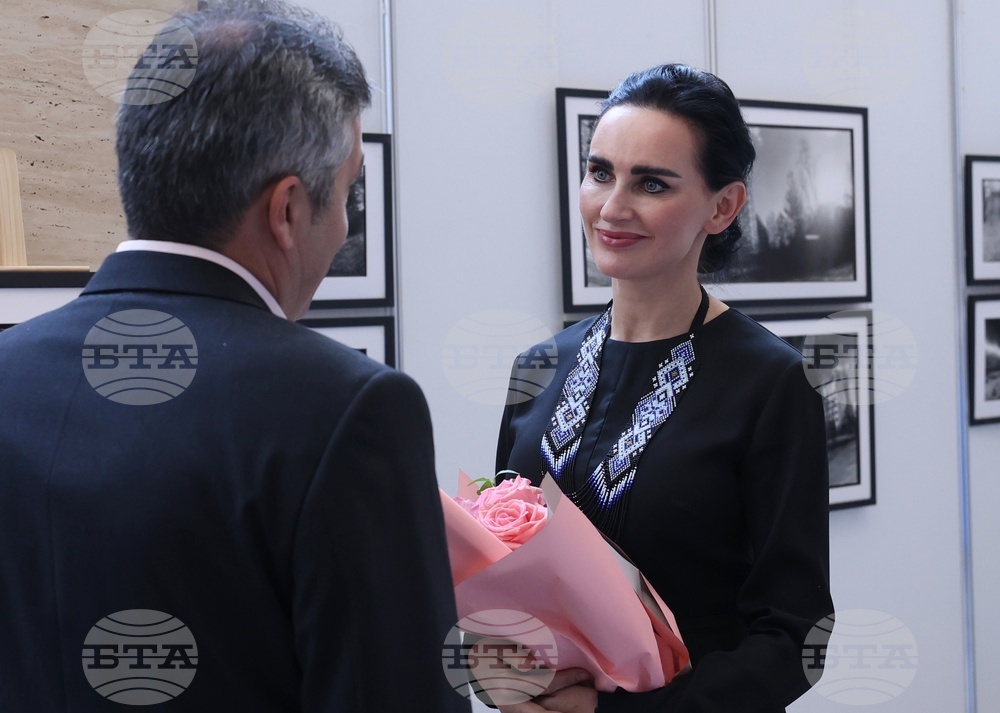
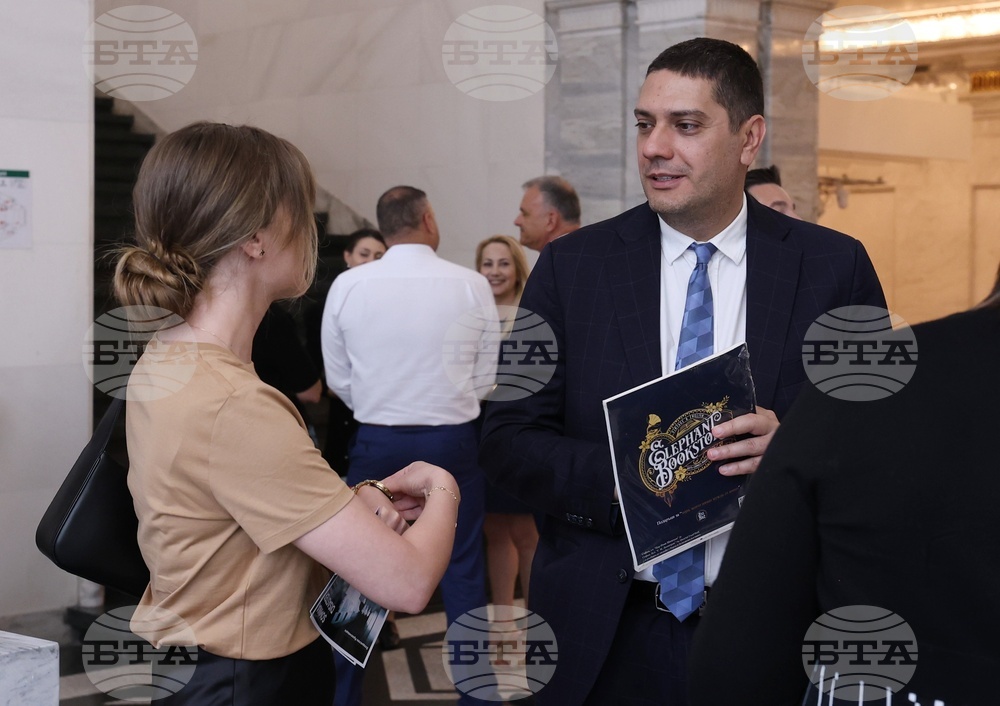
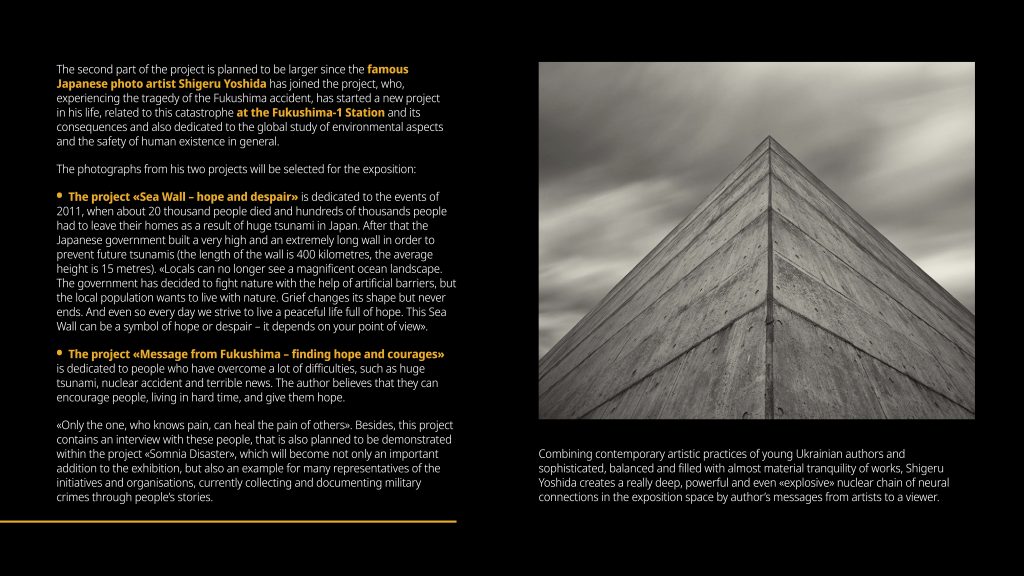
The accidents in Chernobyl and Fukushima are the focus of the documentary exhibition “The Catastrophe of Dreams”, which was opened at the National Assembly. The exhibition includes nearly 40 photographs by Alexander Tishchenko (Alex Luna) and Shigeru Yoshida, which touch on the psychological and aesthetic consequences of two of the largest nuclear accidents in the world. The event was organized on the initiative of MP Lyuben Dilov Jr. and the Chairman of the Parliamentary Committee on Defense and the Bulgaria-Ukraine Friendship Group Hristo Gadzhev.
The exhibition is important for all Bulgarians because our country was one of the countries most affected by the Chernobyl accident, said Lyuben Dilov Jr. According to him, this is also the first artistic bridge of its kind connecting Chernobyl and Fukushima. Lyuben Dilov Jr. pointed out that after the horrific incidents, Japan has created another engineering miracle with the construction of a 400-kilometer wall with an average height of 15 meters to protect the coast, and the Ukrainian people have turned Pripyat and the Chernobyl region into one of the most exotic places in Europe. “The catastrophe of dreams” gives birth to new dreams, not despair, he added. Lyuben Dilov Jr. also recalled the words of Shigeru Yoshida, who says that only the one who knows the pain can cure it and protect others from it.
For his part, one of the authors of the documentary photographs, Alexander Tishchenko (Alex Luna), noted that in these days when the world is facing a nuclear war, there is no higher value than human life, because it defeats any catastrophe. The opening of the exhibition was also attended by MPs, public figures, representatives of the diplomatic corps and journalists.
У Болгарії відкрилася фотовиставка «Somnia Disaster»
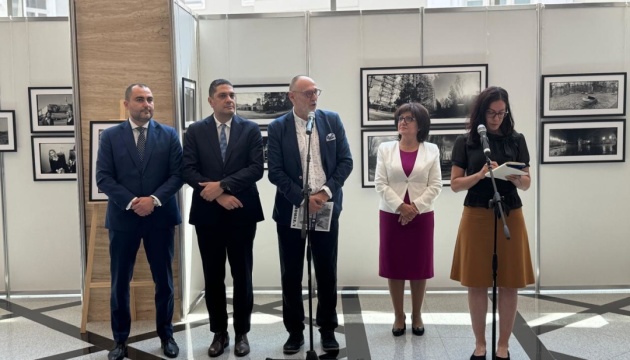
У Народних Зборах Республіки Болгарія 18 червня відбулася церемонія відкриття фотовиставки «Somnia disaster» – спільного артпроєкту українських та японських митців, присвяченого ядерним трагедіям у Чорнобилі, Фукусімі, а також Хіросімі та Нагасакі.
Як передає Укрінформ, про це у Фейсбуці повідомило посольство України в Болгарії.
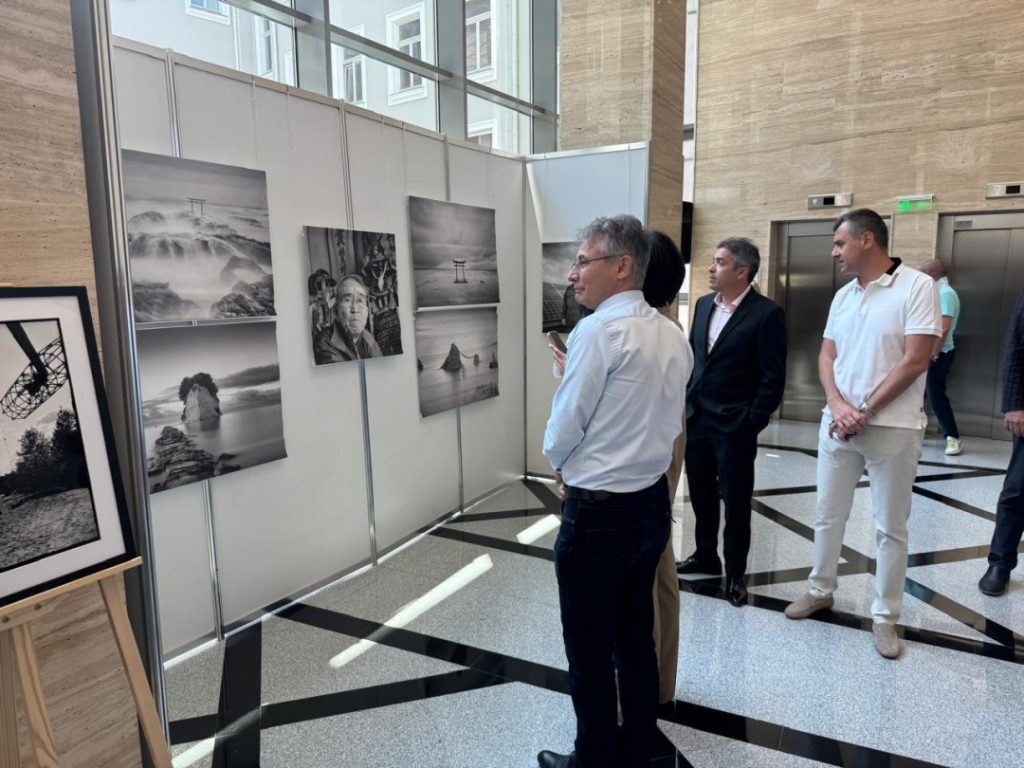
Експозиція унікальним чином об’єднала творчу команду під керівництвом Олександра Тищенка (Alex Luna) та японського фотографа Шіґеру Йошіди. Їхні роботи покликані привернути увагу міжнародної спільноти до проблеми протидії ядерним загрозам та спонукати до посилення міжнародної підтримки України.
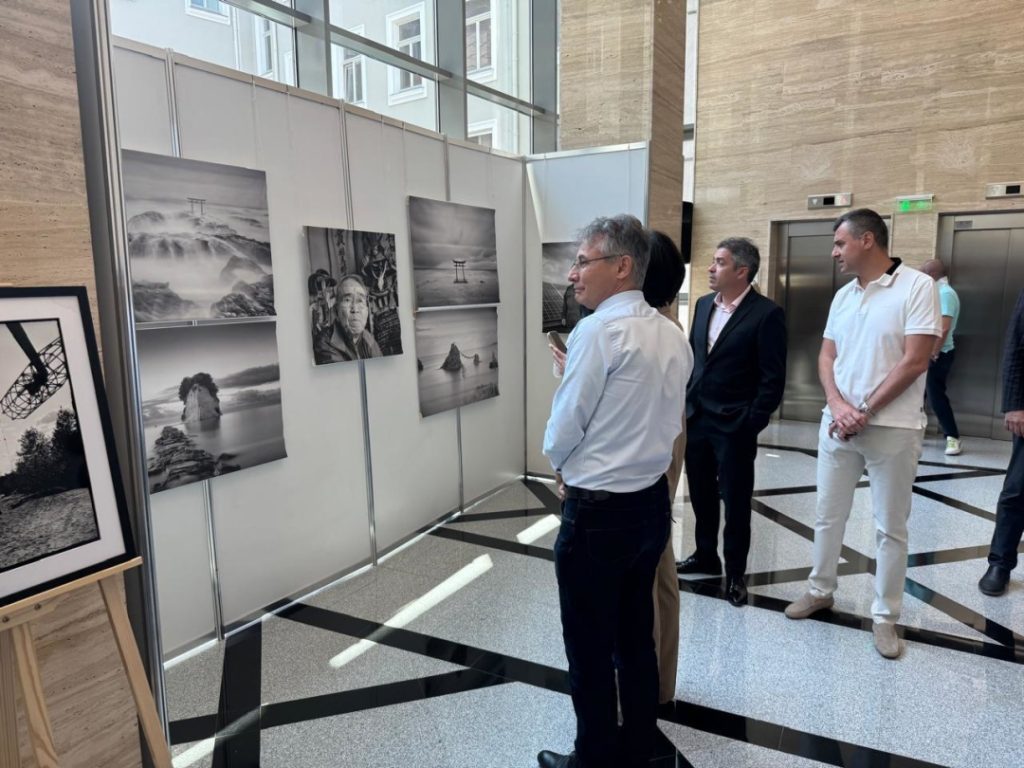
Виставку вдалося реалізувати за підтримки голови Групи дружби “Болгарія – Україна” болгарського парламенту Христо Гаджева та депутата Любена Ділова.
Читайте також: Болгарія продовжила до березня програму підтримки українських біженців
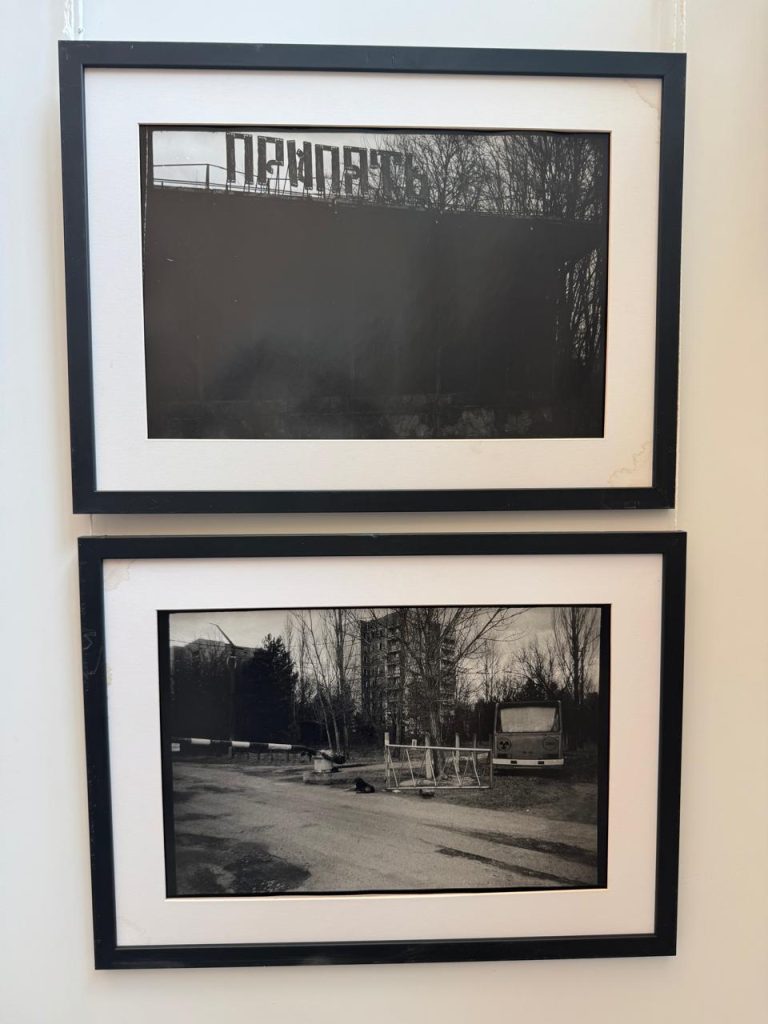
Під час церемонії відкриття болгарські депутати та гості заходу хвилиною мовчання вшанували пам’ять жертв російського ракетного обстрілу України, що стався 17 червня. Внаслідок цього терористичного акту загинуло 28 людей, а понад 130 отримали поранення.
Нагадаємо, 12 червня на площі перед Народним театром ім. Івана Вазова у Софії відкрилася цифрова фотовиставка «Україна: любов + війна» – арт-документальний проєкт, який уперше представлено у Болгарії.
Somnia Disaster Featured In The Bulgarian Media